The Social Infrastructure of California Property Resilience
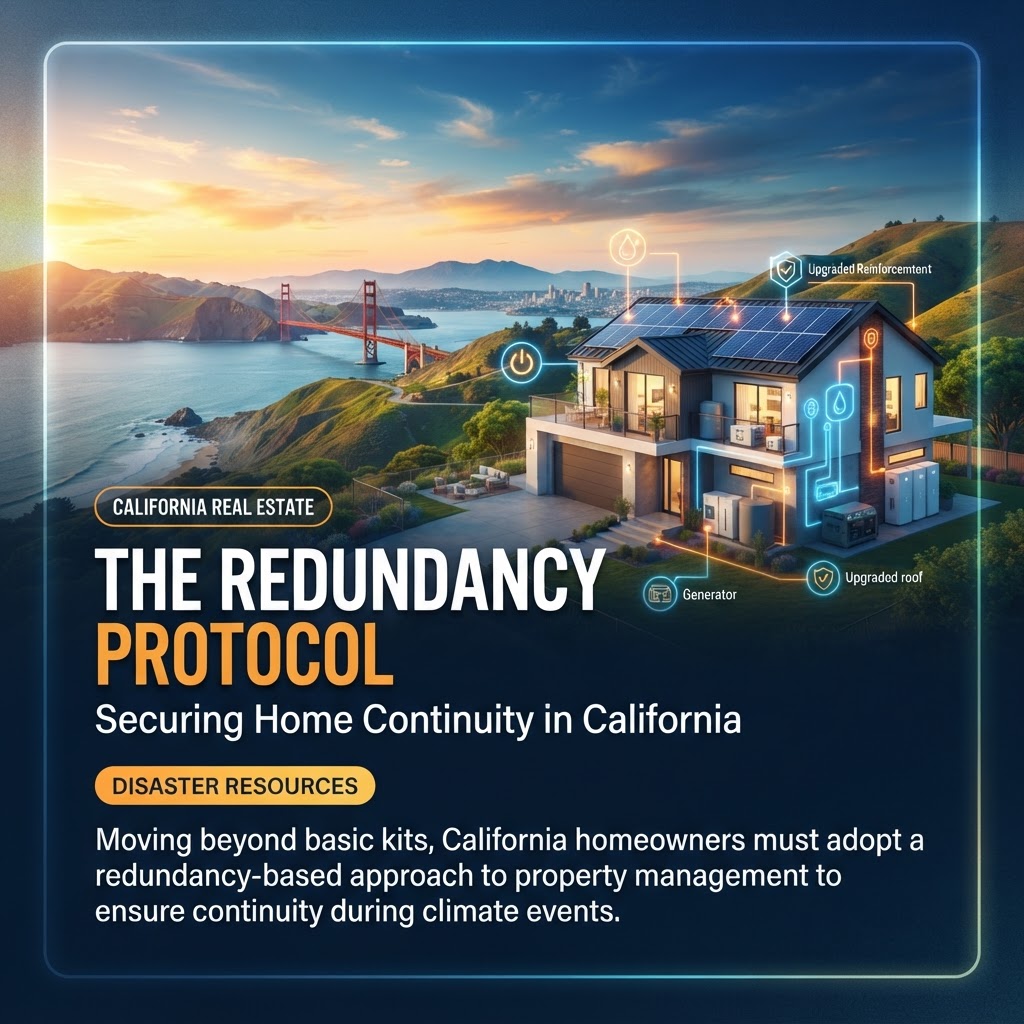
In the California real estate market, disaster preparedness has traditionally been viewed through the lens of individual property improvements—seismic bracing, brush clearance, and insurance policy audits. However, as climate-related risks evolve, a new paradigm is emerging: the value of social infrastructure. Data suggests that property resilience is no longer just about the physical structure, but the connectivity of the neighborhood surrounding it.
The Shift Toward Community-Based Resilience
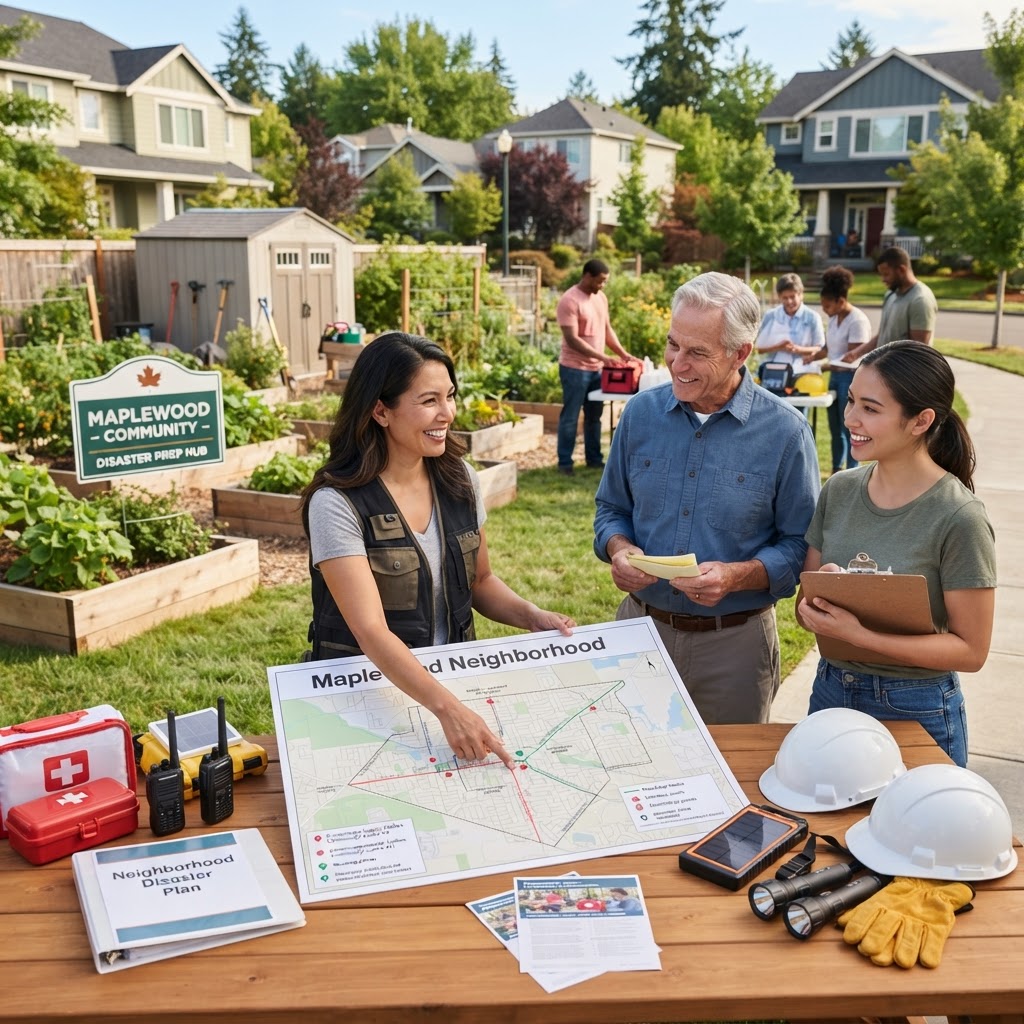
Recent initiatives, such as the Listos California Neighborhood Block Party program, highlight a critical shift in how we define property safety. Research indicates that connected neighbors survive disasters at higher rates and recover more quickly than those in isolated environments. For investors and homeowners, this means that the 'resilience score' of a property is increasingly tied to the strength of its local community network.
Key Pillars of Modern Preparedness
- Localized Hazard Intelligence: Utilizing tools like the Cal MyHazards portal allows homeowners to move beyond general regional assumptions and identify specific risks—such as liquefaction zones or flood plains—that directly impact property insurance premiums and long-term asset viability.
- Community Emergency Response Teams (CERT): Participation in local CERT training, often facilitated by municipal departments like the LAFD, provides residents with the skills to manage utility shut-offs and basic medical aid, effectively reducing the 'recovery gap' between a disaster event and the arrival of professional emergency services.
- The 'Firewise' Advantage: Beyond individual property maintenance, achieving 'Firewise USA' status for a neighborhood can influence insurance insurability and community-wide risk mitigation, creating a collective defense that individual homeowners cannot achieve alone.
Practical Takeaways for Stakeholders
For those navigating the California market, resilience is a multi-layered strategy:
- For Buyers: When evaluating a property, inquire about the neighborhood’s participation in community resilience programs. A neighborhood with an active emergency plan is a lower-risk investment than one that operates in silos.
- For Sellers: Documenting community-level improvements—such as neighborhood-wide brush clearance initiatives or shared emergency communication protocols—can be a compelling value-add in a market increasingly sensitive to climate risk.
- For Investors: Prioritize properties in jurisdictions that offer 'Difference in Conditions' (DIC) policies or those that qualify for state-backed mitigation grants, such as the 'brace-and-bolt' programs, which directly improve the structural integrity of the asset.
Conclusion
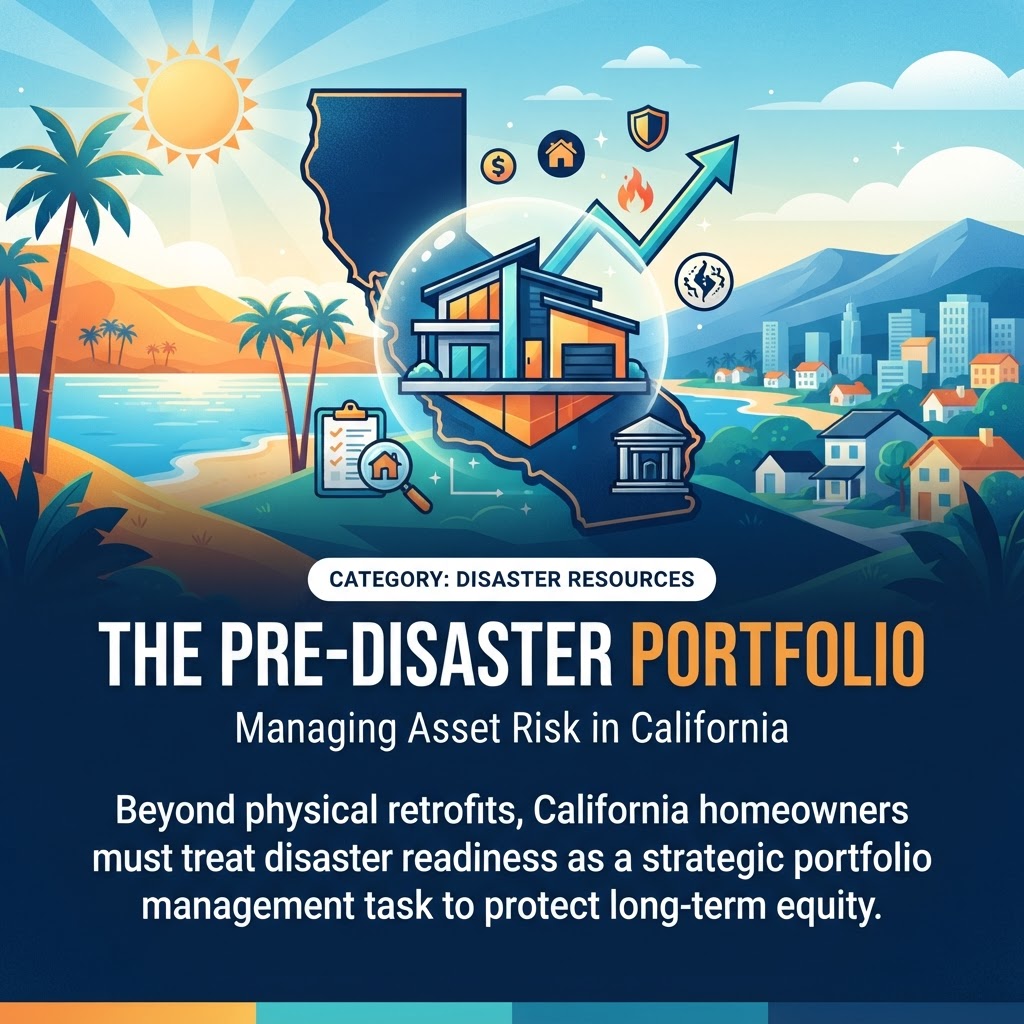
The future of California real estate resilience lies in the intersection of physical hardening and social cohesion. By leveraging state resources like the California Department of Insurance’s 'Safer from Wildfires' framework alongside active community engagement, homeowners can protect their equity against the state's inherent environmental volatility. Preparedness is not merely a defensive measure; it is a strategic investment in the long-term stability of the California home.