The Capital Discipline Era: Rethinking California CRE Investment in 2026
For nearly two decades, California commercial real estate (CRE) investors operated under the tailwind of historically low interest rates, where leverage often masked operational inefficiencies. As of October 2026, that era has definitively ended. Veteran economist Ken Rosen has signaled that the leverage-driven returns of the past 17 years are no longer viable, necessitating a fundamental shift in how investors approach cap rates and asset acquisition.
The End of the Leverage-Driven Model
The current market environment is defined by a "higher-for-longer" interest rate reality. According to recent market analysis, the disconnect between property fundamentals and transaction volume remains a primary hurdle. While retail and industrial sectors have shown resilience in occupancy, transaction volumes have struggled to keep pace with pricing expectations, largely because financing costs remain a significant barrier to entry.
Sector-Specific Realities in California
California’s market remains uniquely bifurcated. While national trends often point to oversupply in the Sunbelt, California markets—particularly San Francisco—continue to exhibit tighter fundamentals. In San Francisco, for instance, rent growth remains robust, and construction activity is trailing the five-year average, providing a buffer against the national supply glut.
- Multifamily: Despite a 5.6% vacancy rate in Los Angeles as of Q1 2026, the state’s persistent housing shortage continues to drive long-term demand. Surveys from the Allen Matkins/UCLA Anderson Forecast indicate that a majority of California developers expect demand to outpace supply over the next three years.
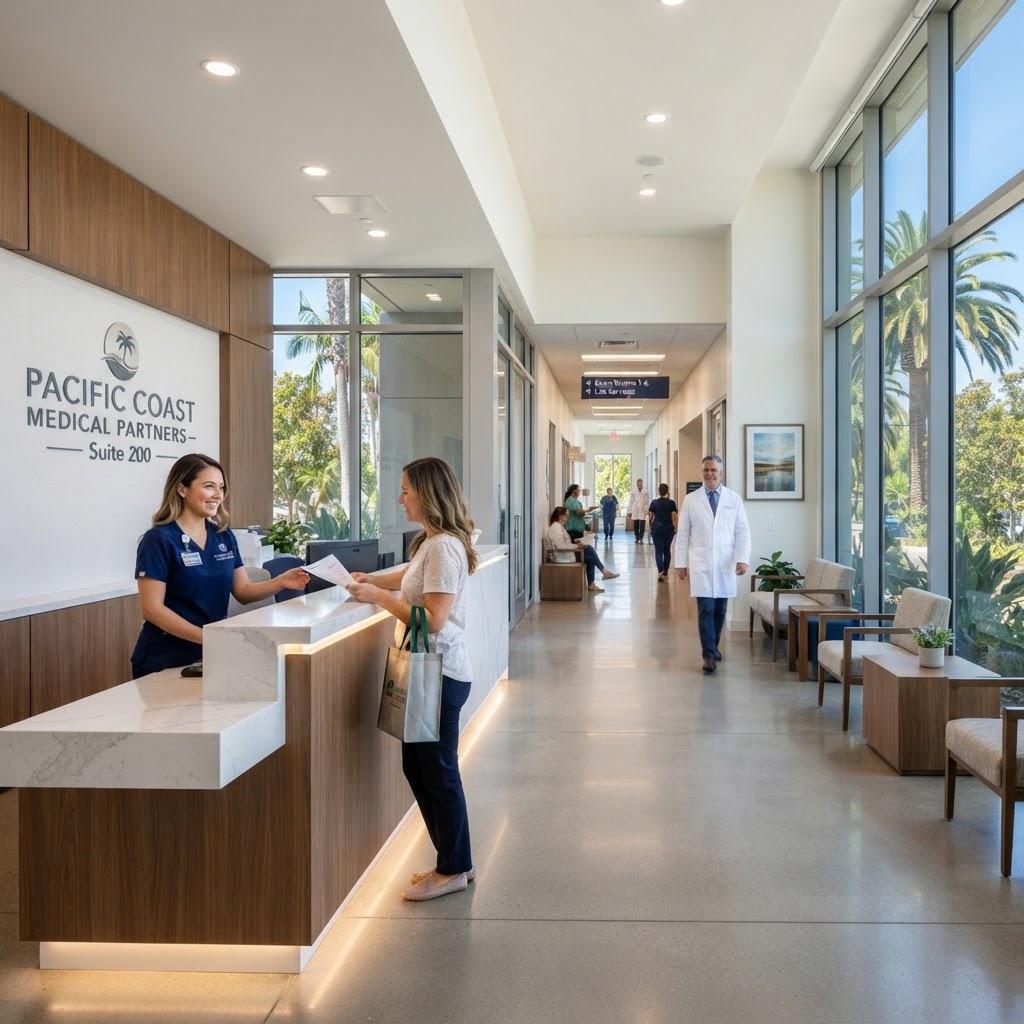
- Healthcare: A notable shift is occurring as REITs rotate out of traditional medical office buildings and into senior housing platforms, positioning themselves for the demographic wave of aging Americans.
- Office: The sector remains in a state of recovery, with only top-tier, pre-leased projects moving forward. Investors are increasingly prioritizing "higher quality" assets, as these properties demonstrate greater value sustainability during economic cycles.
Practical Takeaways for Investors
To navigate this environment, investors should adopt the following strategies:
- Prioritize Operational Alpha: With debt no longer providing an easy path to yield, returns must be generated through superior property management, tenant retention, and operational efficiency.
- Focus on Quality Over Speculation: As noted by industry experts, higher-quality properties—regardless of age—are better positioned to weather potential recessions. Avoid "value-add" projects that rely on aggressive rent growth assumptions that may not materialize.
- Monitor Long-Term Rates: The primary concern for California investors is not just the short-term Fed rate, but the trajectory of long-term rates. These dictate the exit cap rates that will ultimately determine the success of an acquisition.
- Leverage Local Data: National headlines often obscure the hyper-local nature of California’s CRE market. Investors should rely on localized vacancy and absorption data rather than broad regional averages to identify pockets of opportunity.
The 2026 market is rewarding patience and discipline. As patient capital—such as family offices—re-enters the space, the focus has shifted from rapid portfolio expansion to the meticulous selection of assets that can withstand a higher-cost capital environment.