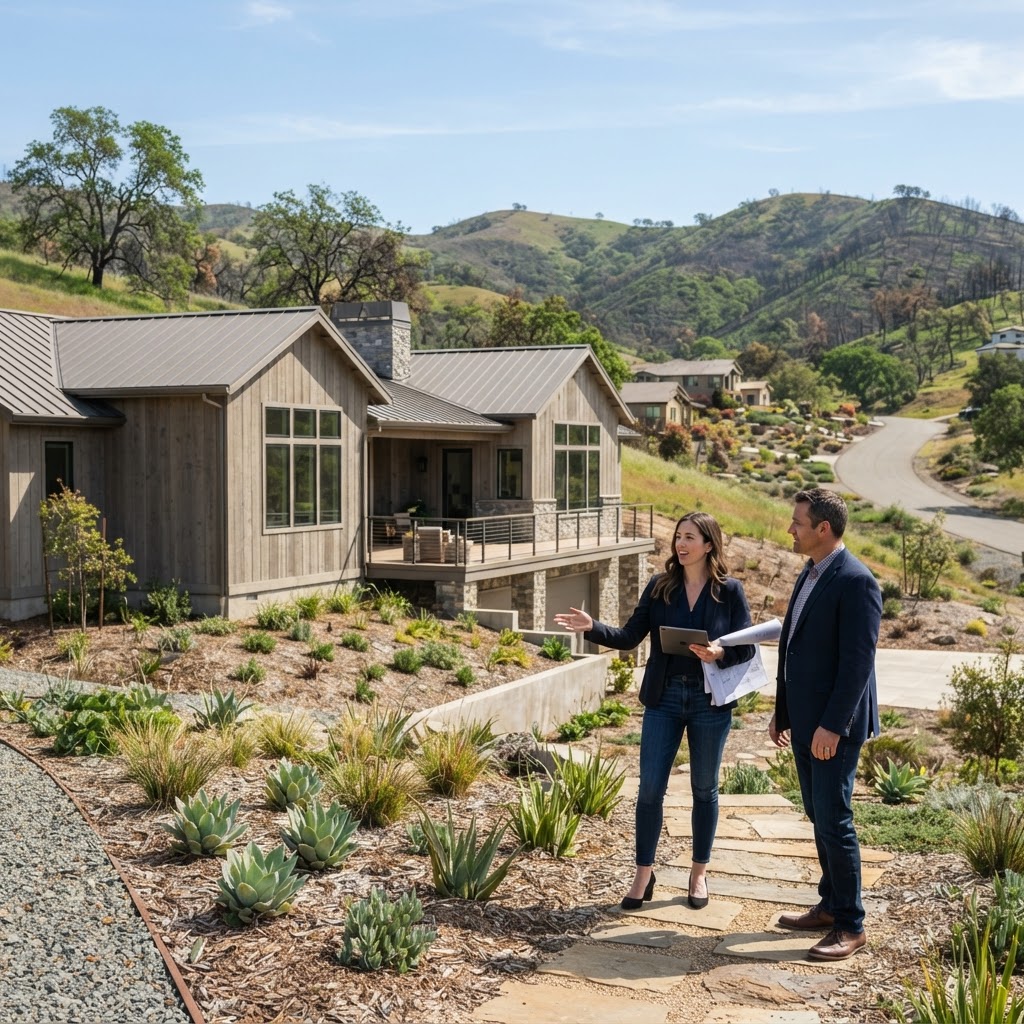
Beyond the Burn: Managing Emerging Climate Risks in California Real Estate
For decades, the California real estate narrative has been dominated by the specter of wildfire. However, as the state’s climate profile shifts, homeowners and investors are facing a new, complex reality. Recent data from CoreLogic suggests that mudslides and flooding are poised to become the primary risk for California properties over the next 25 years, potentially eclipsing the historical dominance of wildfire threats [7]. This shift necessitates a more comprehensive approach to property resilience that moves beyond traditional fire-hardening.
The Evolving Risk Landscape
The traditional focus on wildfire mitigation—while still critical—is no longer sufficient for long-term asset protection. Climate change is increasing the frequency and severity of extreme weather events, including atmospheric rivers that trigger catastrophic flooding and mudslides [6, 7]. For property owners, this means that "resilience" must now encompass hydrological risk assessment alongside fire-safe landscaping and structural hardening.
The Insurance-Resilience Nexus
The California insurance market is undergoing a structural transformation. With major carriers limiting coverage or exiting high-risk zip codes, the ability to secure affordable insurance is increasingly tied to verifiable mitigation efforts [2]. The state’s new regulatory environment now allows insurers to utilize advanced catastrophe modeling—developed by firms like Verisk and Moody’s—to price risk more accurately [3].
This shift creates a direct financial incentive for homeowners to invest in property-level improvements. Under the "Safer from Wildfires" framework, homeowners who implement specific mitigation measures, such as fire-safe roofing and "Zone 0" defensible space, may qualify for insurance discounts [1, 9].
Practical Takeaways for Homeowners and Investors
- Conduct a Multi-Hazard Audit: Do not limit your risk assessment to fire. Evaluate your property’s topography for mudslide vulnerability and check flood maps, as these risks are projected to become the most costly natural disasters in the coming decades [7].
- Document Assets for Recovery: Two-thirds of disaster-impacted households find their insurance coverage insufficient [5]. Create a comprehensive video inventory of your home’s contents and structural features. Keep this digital record in a secure, cloud-based location accessible from anywhere [5].
- Leverage Official Planning Tools: Utilize resources like CAL FIRE’s firePLANNER to create a custom readiness plan [10]. These tools provide actionable checklists that can help align your property with current insurance underwriting standards.
- Review Policy Limits Annually: Given the rising costs of construction and materials, ensure your dwelling coverage reflects current replacement costs rather than historical purchase prices [5].
Conclusion
Resilience in the modern California market is no longer a static goal but a dynamic process. By integrating flood and mudslide awareness into property management and staying ahead of the evolving insurance modeling standards, homeowners can better protect their most valuable assets against the state’s changing environmental landscape.


