The Neighborhood Pivot: Why Retail is Outperforming in California’s 2026 Market
In the shifting landscape of 2026, California’s commercial real estate market is undergoing a quiet but significant rotation. While much of the industry remains fixated on the office sector’s ongoing identity crisis and the cooling of industrial demand, a different asset class has quietly moved to the forefront of investor interest: neighborhood-serving retail.
The Shift in Sentiment
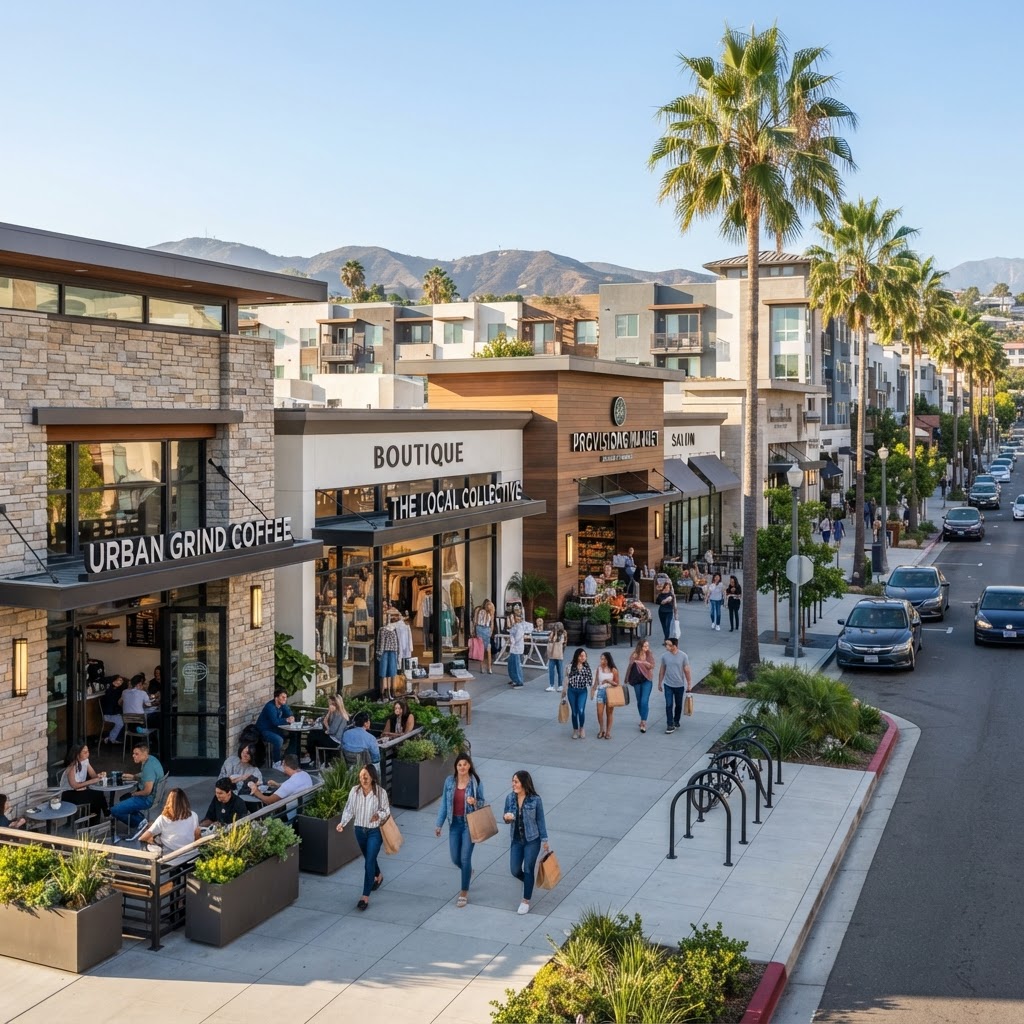
According to the Winter 2026 Allen Matkins/UCLA Anderson Forecast, retail sentiment across California has strengthened, buoyed by stabilizing fundamentals and a clear preference for experiential and service-oriented tenants. Unlike the broad-based volatility seen in office assets, neighborhood retail—defined by food operators, service providers, and essential daily-needs businesses—is demonstrating resilience against the backdrop of a 'decaf stagflation' economic environment.
Data-Backed Resilience
The divergence in performance is becoming increasingly clear in the cap rate data. While infill multifamily and lower-quality office assets face bearish outlooks and widening yield spreads, retail has shown modest cap rate compression in several key metros. Investors are increasingly prioritizing:
- Residential-Serving Formats: 44% of surveyed executives are focusing on retail that supports local housing density.
- Specialty Districts: 28% are prioritizing specialty retail within established, high-traffic corridors.
This trend is a direct response to the 'math reset' described by industry experts. With debt costs remaining elevated, the high-yield era has forced investors to move away from speculative growth and toward assets with predictable, operational cash flow. Retail, particularly in dense Southern California markets, offers a defensive hedge that office space currently cannot provide.
Practical Takeaways for California Investors
For those looking to navigate the current market, the following strategies are becoming essential:
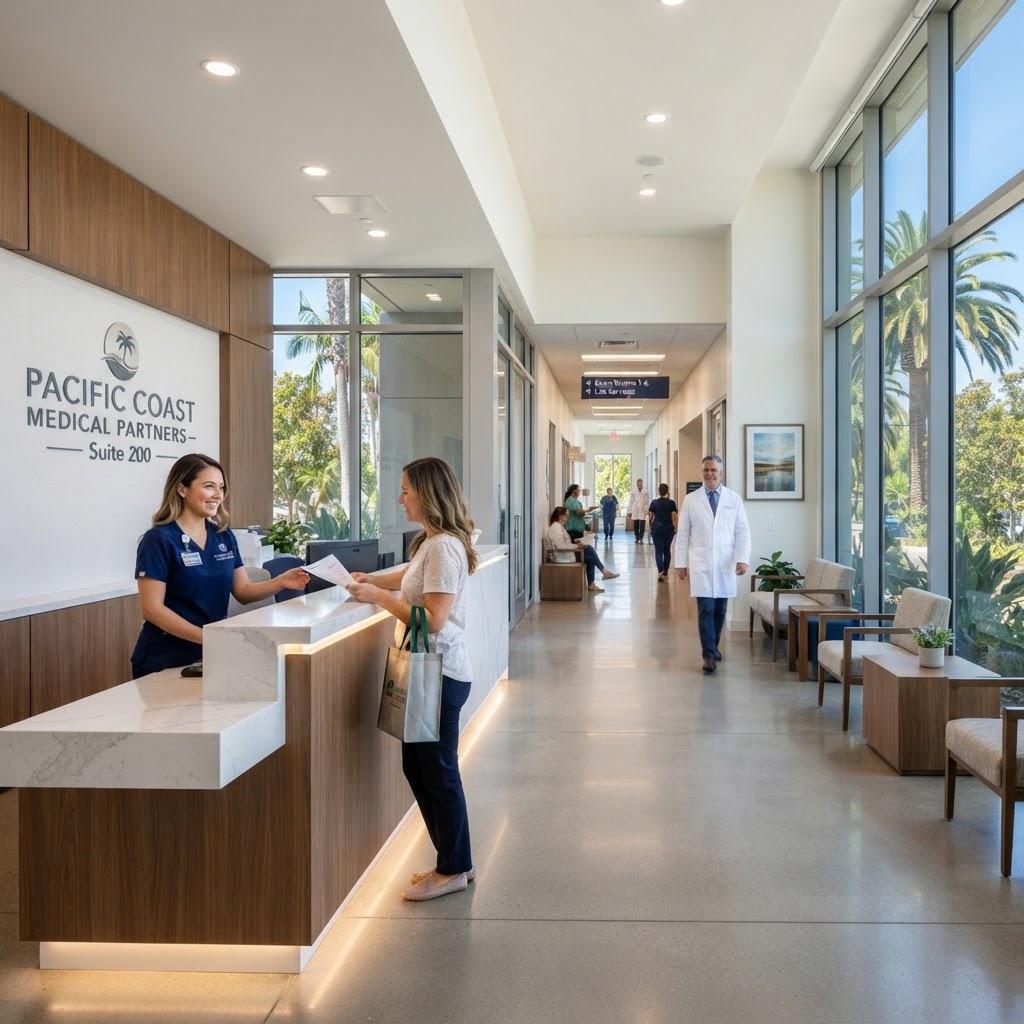
- Focus on 'Sticky' Tenants: Prioritize properties anchored by service providers—such as medical offices, fitness centers, and traditional food operators—that are less susceptible to e-commerce disruption.
- Evaluate Adaptive Reuse Potential: As office vacancies persist, look for retail-adjacent properties that can be integrated into mixed-use environments. The financial viability of these projects is improving as asset prices for obsolete commercial space continue to trade at significant discounts.
- Prioritize Localized Fundamentals: In a market where macro-economic indicators are mixed, hyper-local data is the only reliable metric. Investors should look for sub-markets where residential density is increasing, as these areas provide the built-in customer base necessary to sustain retail rent growth.
While the broader CRE market enters a period of transition, the retail sector’s pivot toward neighborhood-centric utility offers a rare bright spot. By focusing on the essential services that define local communities, California investors can find stability in an otherwise uncertain 2026 landscape.