The Supply-Side Pivot: Why California CRE Development is Shrinking to Scale
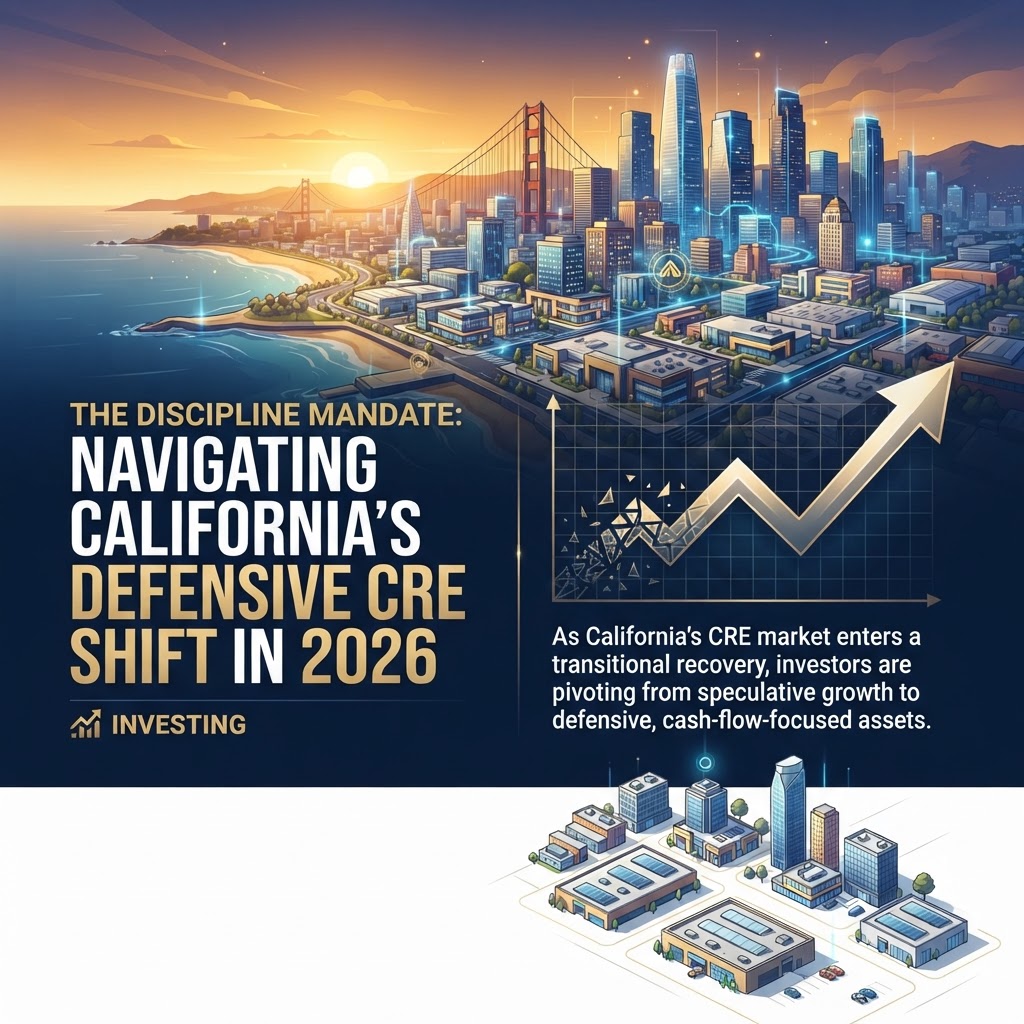
The California commercial real estate (CRE) landscape in late 2026 is defined not by the aggressive expansion of the previous decade, but by a strategic retreat into supply-constrained development. As developers navigate a prolonged higher-rate environment and persistent tariff-related cost pressures, the market is undergoing a fundamental shift toward extreme selectivity.
The Development Slowdown
According to the Summer 2026 Allen Matkins/UCLA Anderson Forecast, developers are increasingly cautious. With 85% of respondents citing tariff uncertainty and supply chain disruptions as primary concerns, the pipeline for new projects has tightened significantly. This is particularly evident in the industrial sector, where construction starts have dropped 62% since 2022, nearing a cyclical low. While this may seem like a negative indicator, it is actually creating a floor for asset values by preventing the oversupply that plagued previous cycles.
The Multifamily Supply Gap
Despite the broader slowdown, the multifamily sector remains the most resilient opportunity for California investors. The state’s chronic housing shortage continues to drive demand, with 75% of Northern California and 64% of Southern California market participants expecting demand to outpace supply over the next three years. Investors are moving away from luxury-only models, focusing instead on middle-market housing where the supply-demand imbalance is most acute.
Industrial: From Bulk to Diversified Demand
The Inland Empire, long the engine of Southern California’s industrial market, is seeing total availability reach 12.9% as of Q2 2026. However, this figure masks a more nuanced reality: the market is transitioning from pure bulk logistics to a more diversified demand profile. As global supply chains restructure, demand for R&D, manufacturing, and specialized logistics space is offsetting the softening in traditional third-party logistics facilities.
Practical Takeaways for Investors
- Prioritize Supply-Constrained Assets: In an environment where new construction is expensive and slow, existing assets in high-barrier-to-entry markets are gaining value. Focus on submarkets where local zoning and infrastructure limitations prevent new competition.
- Operational Alpha Over Leverage: With interest rates remaining elevated, the era of relying on cheap debt to drive returns is over. Investors must focus on operational improvements—such as energy efficiency upgrades or tenant-focused amenities—to drive net operating income (NOI).
- Monitor the Conversion Pipeline: With office-to-apartment conversions accounting for nearly 47% of all adaptive reuse activity nationwide, keep an eye on underperforming office assets in urban cores. These properties may offer the best value-add potential if they can be successfully repurposed for residential use.
The 2026 California CRE market is not waiting for a return to the low-rate environment of the past. Instead, it is finding stability through a disciplined approach to supply, ensuring that new development only occurs where the fundamental demand is undeniable.