The Logistics of Survival: A Homeowner’s Guide to California Disaster Readiness
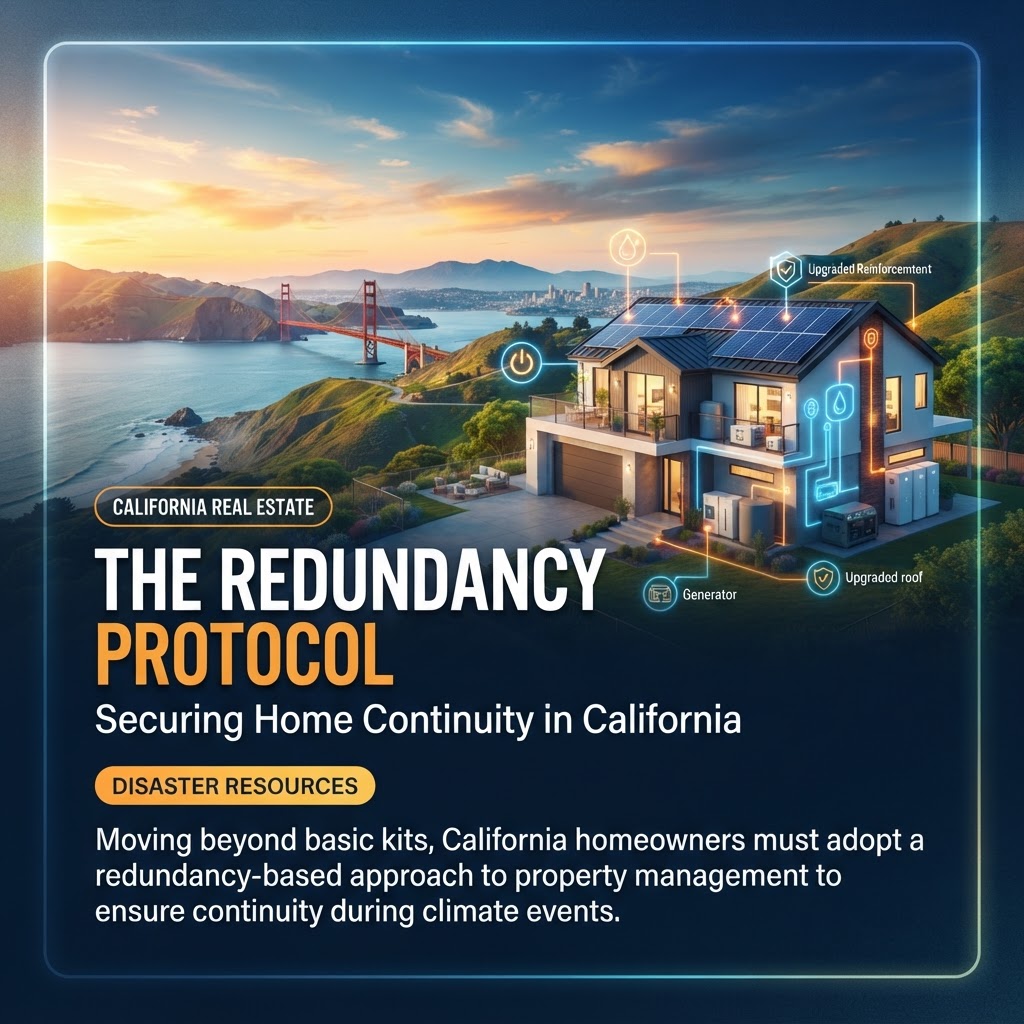
For California homeowners, the conversation around disaster preparedness has historically focused on insurance premiums and structural hardening. However, as the state faces increasing volatility from seismic activity and wildfire events—with potential losses from a single major earthquake estimated at over $100 billion—the focus must shift toward the logistics of recovery. Data from the Public Policy Institute of California indicates that while 42% of homeowners feel prepared, a significant gap remains in actionable, post-disaster continuity planning.
The Logistics Gap: Beyond the Policy
While the California FAIR Plan and the California Earthquake Authority (CEA) provide essential financial safety nets, they are not substitutes for operational readiness. Homeowners often overlook the 'recovery phase' logistics: how to access funds, document losses, and maintain housing stability when local infrastructure is compromised. According to the CEA, earthquake insurance is not merely for structural repair; it is a critical tool for covering temporary living expenses, such as hotel stays or rent, which are often the first financial hurdles in a displacement scenario.
Data-Driven Preparedness
The National Risk Index from FEMA serves as a vital tool for homeowners to assess their specific community hazards. However, preparedness is not uniform. Research shows that preparedness levels correlate strongly with income and age, yet worry alone does not drive action. To move from passive concern to active resilience, homeowners should adopt the following logistical framework:
- Digital Asset Vaulting: Move beyond paper files. Store digital copies of insurance policies, property deeds, and home inventories in secure, cloud-based environments accessible from any location.
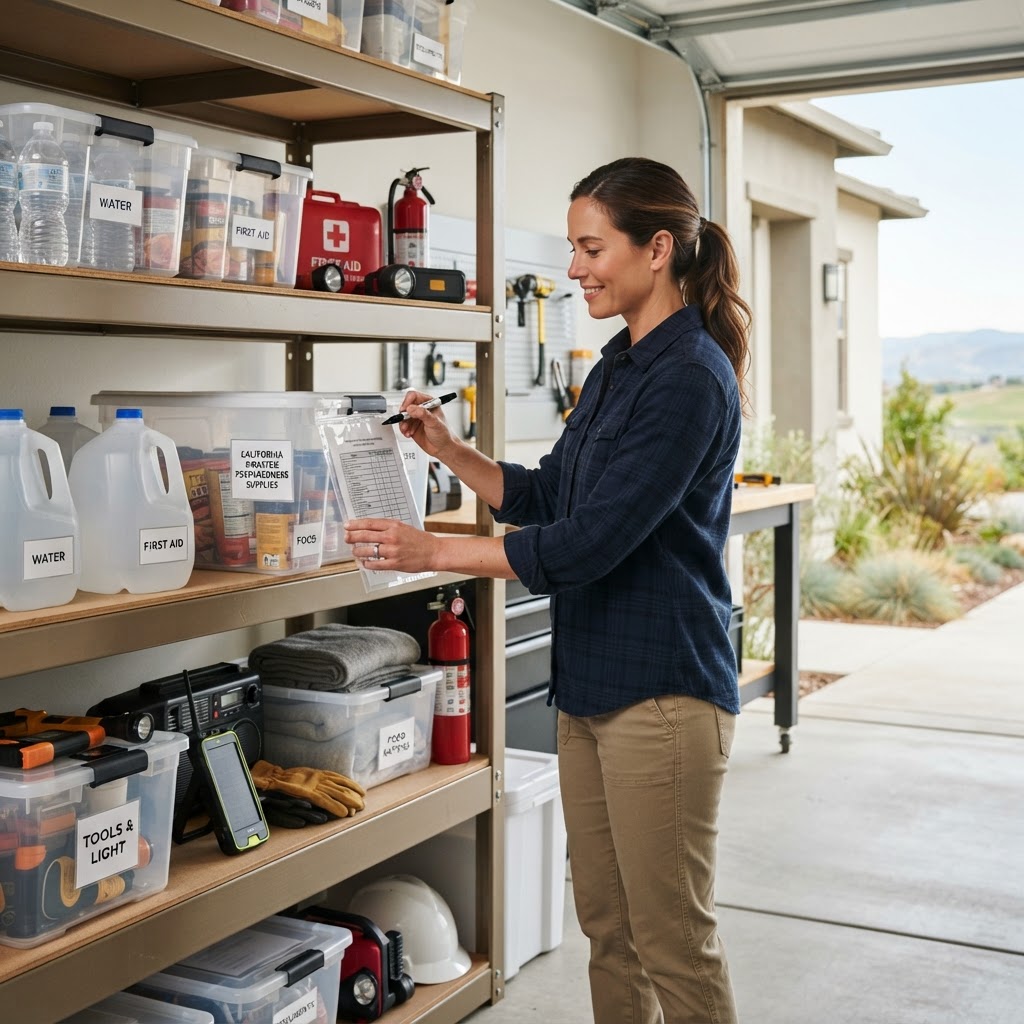
- Supply Chain Redundancy: The state’s focus on disaster logistics—managing the movement of goods and people—should be mirrored at the household level. Maintain a minimum of two weeks of essential supplies, including water (one gallon per person/day), medications, and battery-powered communication tools.
- Communication Protocols: Establish an out-of-area emergency contact. In a regional disaster, local cellular networks may be overwhelmed; having a designated contact outside of California ensures a central point for family reunification.
Practical Takeaways for Property Owners
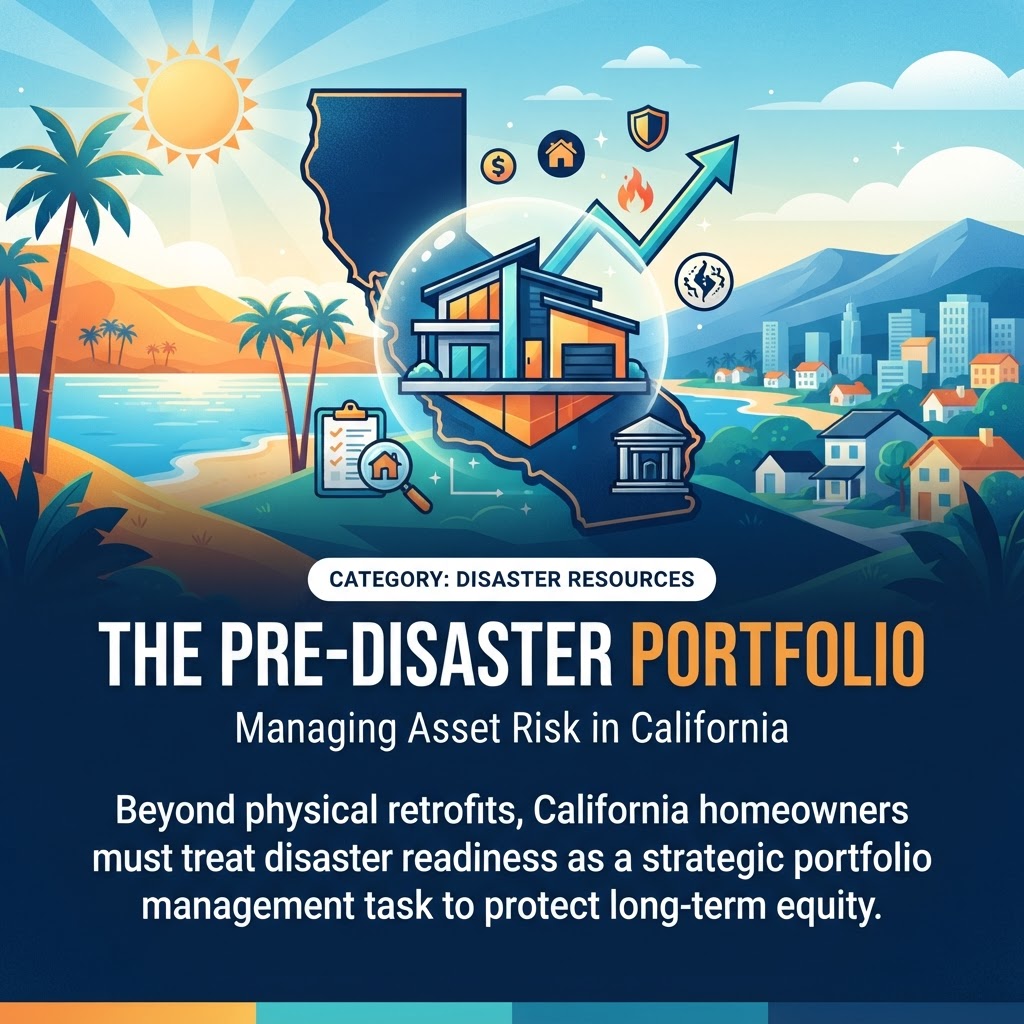
For those navigating the California real estate market, disaster readiness is now a core component of property value maintenance. Investors and homeowners should prioritize:
- The 'MyShake' Integration: Utilize the MyShake early warning system to gain critical seconds during seismic events.
- Structural Documentation: Regularly document the interior and exterior of your property. This evidence is invaluable when filing claims with the California Department of Insurance or private carriers.
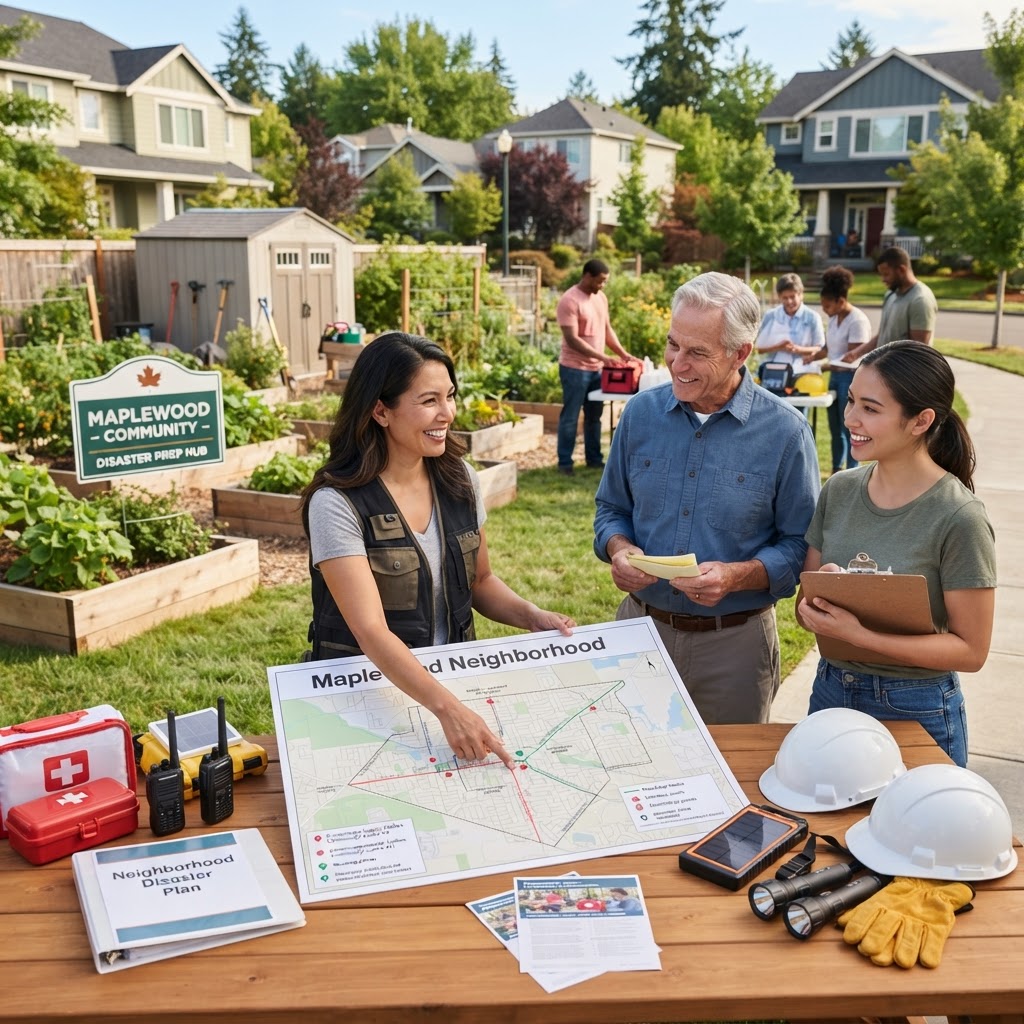
- Community Engagement: Participate in local emergency response drills. Resilience is a neighborhood-level effort; knowing your community’s evacuation routes and utility shut-off procedures is as important as your insurance coverage.
By treating disaster preparedness as a logistical operation rather than a static insurance requirement, California homeowners can better protect their assets and ensure long-term stability in an increasingly unpredictable environment.