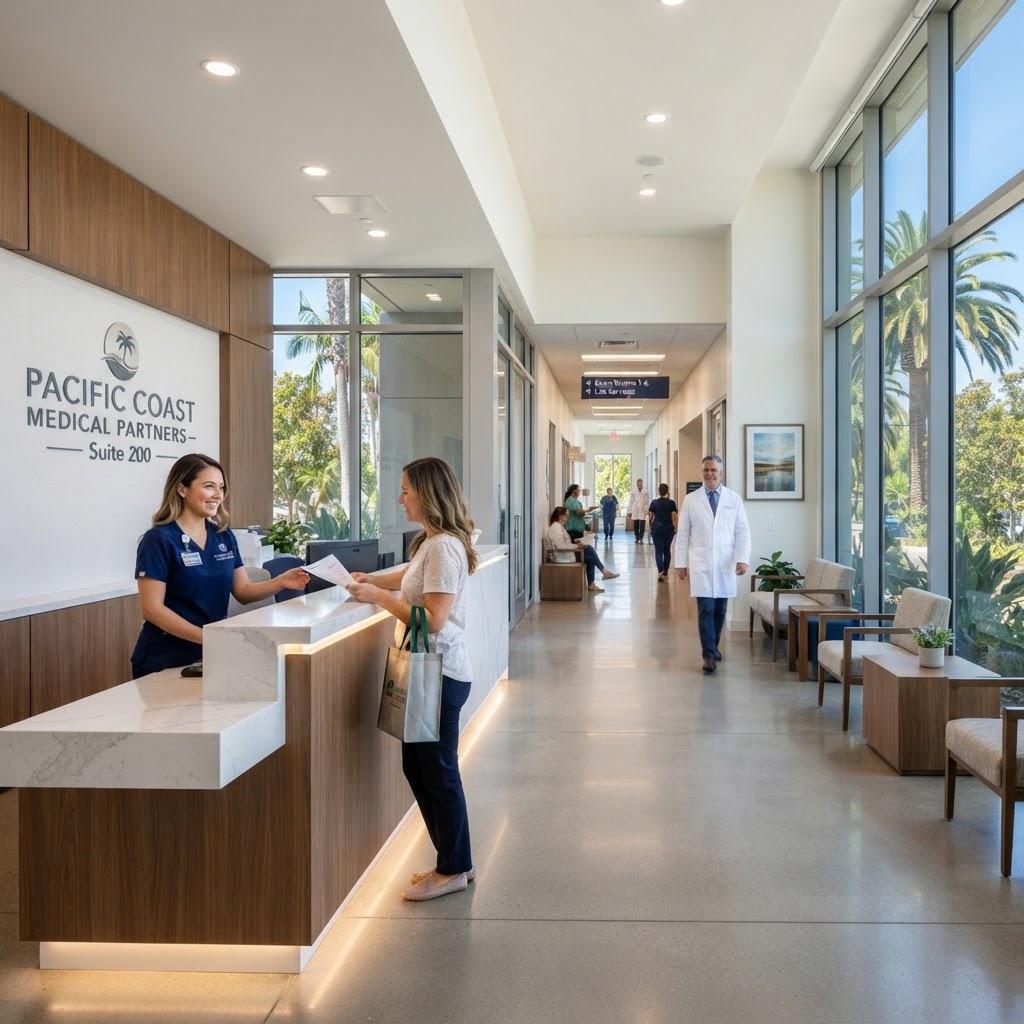
The Owner-User Shift: Why California Businesses Are Buying Their Own Space
As of late 2026, the California commercial real estate landscape is undergoing a structural transformation. While institutional investors remain cautious, a distinct trend is emerging: businesses are increasingly moving from tenants to owners. This shift toward owner-user acquisitions is providing a critical floor for valuations in the office and industrial sectors, offering a stabilizing force in a market previously defined by uncertainty.
The Rise of the Owner-User
In major hubs like Downtown Los Angeles, the narrative has shifted from vacancy concerns to strategic acquisition. Companies are increasingly opting to purchase their own office and industrial footprints rather than renewing long-term leases. This trend is not merely a reaction to market conditions but a strategic move to control occupancy costs and secure long-term operational stability. According to recent market reports, this transition is a primary indicator that market confidence is returning to the Southern California office sector, as businesses bet on their own long-term presence in the region.
Industrial Fundamentals and Diversified Demand
While the office sector finds its footing through owner-occupancy, the industrial market continues to benefit from a highly diversified demand profile. The Summer 2026 Allen Matkins/UCLA Anderson Forecast highlights that while e-commerce remains a factor, demand is increasingly driven by advanced manufacturing, robotics, and AI-related digital infrastructure. This diversification is insulating the industrial sector from the volatility seen in other asset classes.
In the Inland Empire, which remains Southern California’s second-largest industrial market, fundamentals are tightening. With net absorption totaling 2.4 million square feet in the first half of 2026—an 83.3% increase year-over-year—cap rates have compressed to 5.8%, down from 6.7% a year ago. This compression reflects a renewed appetite for high-quality assets as the market transitions from rapid expansion to a more balanced operating environment.
Practical Takeaways for California Investors
- Prioritize Owner-User Potential: Investors should look for properties that appeal to owner-users. Assets that offer flexibility for single-tenant occupancy or partial owner-use are seeing higher liquidity as businesses seek to hedge against future rent volatility.
- Monitor Infrastructure-Adjacent Assets: With demand shifting toward robotics and AI-related logistics, properties with robust power capacity and modern digital infrastructure are commanding a premium.
- Focus on Operational Alpha: As the market stabilizes, the era of relying on cheap leverage is over. Success in the current environment requires deep operational knowledge of local submarkets and the ability to identify assets where value can be added through physical improvements or tenant-focused sustainability initiatives.
The California CRE market in late 2026 is no longer waiting for a broad-based recovery; it is being rebuilt by participants who are prioritizing control, operational efficiency, and long-term utility over speculative growth. For those willing to navigate the nuances of this bifurcated landscape, the current environment offers a unique window to acquire assets that are fundamentally supported by the needs of the modern California economy.