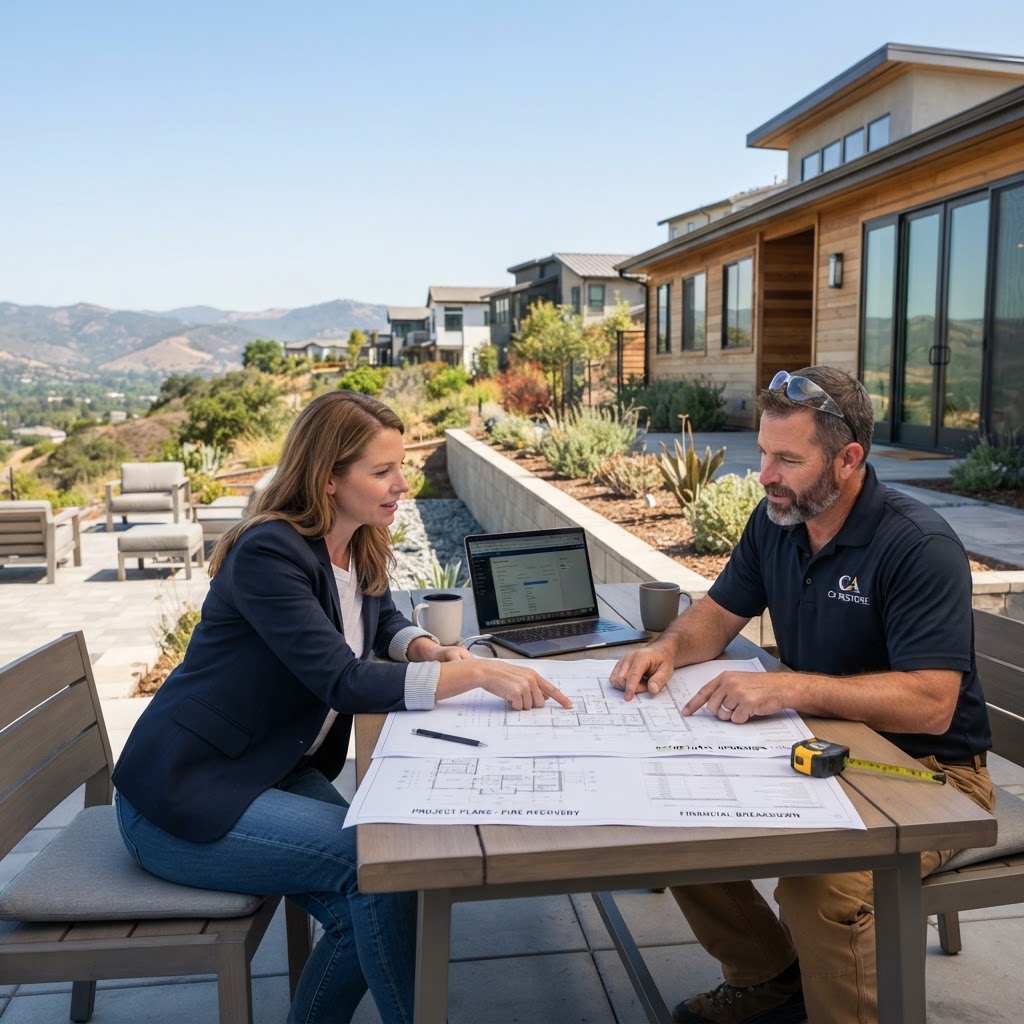
Beyond the Perimeter: A Financial and Structural Roadmap for CA Homeowners
For California homeowners, the conversation around disaster preparedness has shifted from a seasonal checklist to a year-round financial and structural imperative. With insurance premiums rising and the state's risk profile intensifying, property owners must adopt a multi-layered strategy that balances physical home hardening with sophisticated financial risk management.
The New Economics of Insurability
The California Department of Insurance reports that while average premiums remain below the national average, the burden is disproportionate, with households in lower-income zip codes spending up to 4.6% of their disposable income on insurance. As of 2026, the market is increasingly sensitive to "insurability metrics." Homeowners should view their property not just as an asset, but as a risk-adjusted entity. The state's "Safer from Wildfires" regulation now mandates that insurers account for resilience investments, meaning that hardening your home is no longer just a safety measure—it is a direct lever for managing long-term insurance costs.
Structural Hardening as Asset Protection
Data-driven resilience is the most effective way to mitigate the impact of California’s primary threats: wildfires and earthquakes. Beyond standard maintenance, homeowners should prioritize:
- Wildfire Mitigation: Implementing the "Safer from Wildfires" framework, which includes ember-resistant vents, multi-pane tempered glass, and clearing defensible space.
- Seismic Retrofitting: Given California's status as earthquake country, the California Earthquake Authority (CEA) emphasizes that standard homeowners insurance does not cover seismic damage. Retrofitting foundations and securing contents are essential steps that can significantly reduce potential loss.
Financial Contingency Planning
Preparedness extends to the administrative and financial recovery process. Homeowners should proactively manage their "insurance tune-up" by:
- Documenting Assets: Maintain a digital inventory of home contents and structural improvements. In the event of a disaster, this documentation is critical for claims processing.
- Understanding Coverage Gaps: Review policies annually to ensure coverage limits reflect current construction costs, which often spike following regional disasters due to labor and material demand surges.
- Leveraging State Resources: Familiarize yourself with the California Department of Insurance’s Disaster Recovery Centers and the California State Board of Equalization’s disaster relief programs, which may offer property tax relief for homes damaged by more than 50% of their cash value.
Practical Takeaways for Homeowners
To build true resilience, homeowners should take the following actions today:
- Audit Your Policy: Contact your agent to specifically discuss wildfire and earthquake coverage gaps. Do not assume standard policies cover all natural catastrophes.
- Verify Contractor Credentials: Before investing in home hardening, verify the license status of contractors through the Department of Consumer Affairs to ensure work meets state safety standards.
- Establish an Emergency Communication Protocol: Identify out-of-area contacts and designate a physical meeting point, as local communication infrastructure may be compromised during a major event.
- Monitor Local Alerts: Sign up for county-specific emergency notifications and familiarize yourself with the distinction between an "Evacuation Warning" (potential threat) and an "Evacuation Order" (immediate threat to life).
By integrating these structural and financial strategies, California homeowners can better navigate the state's evolving risk landscape, ensuring that their property remains a secure foundation for the future.


