The Valuation Reset: Navigating California’s Bifurcated CRE Landscape in 2026
As of October 2026, the California commercial real estate (CRE) market is defined by a distinct bifurcation. While the era of speculative, low-interest-rate development has largely concluded, a new phase of market stabilization is emerging, driven by operational discipline and a flight to quality. According to the Summer 2026 Allen Matkins/UCLA Anderson Forecast, the market is recovering through improved occupancy and rental growth rather than new construction, with developers remaining highly selective in a prolonged higher-rate environment.
The Office Sector: A New Baseline for Value
The office market remains the most complex segment of the California landscape. However, recent activity suggests a search for a new valuation floor. The potential acquisition of a stake in 101 California Street in San Francisco, valued in the $1 billion range, serves as a critical bellwether for the market. By establishing a price point near $775 per square foot, such transactions help institutional investors and lenders define post-pandemic valuations, moving beyond the uncertainty that has plagued the sector for years.
Despite this, the recovery is uneven. Data indicates that 92% of Northern California and 81% of Southern California developers have no plans to initiate new office projects in the coming year. Instead, demand is concentrating on high-quality, well-located assets where tenants are prioritizing collaboration-focused footprints over sheer square footage.
Industrial and Multifamily: The Pillars of Stability
In contrast to the office sector, industrial and multifamily assets continue to benefit from diversified demand profiles. Industrial real estate, in particular, remains a top performer due to its essential role in the supply chain and limited new supply. Investors are finding that performance in these sectors is increasingly tied to asset adaptability and location rather than broad market trends.
Practical Takeaways for California Investors
- Prioritize Operational Alpha: With leverage becoming more expensive, investors should focus on increasing Net Operating Income (NOI) through tenant retention and operational efficiencies rather than relying on cap rate compression.
- Monitor the Bid-Ask Spread: CBRE data highlights that the office sector currently carries the largest bid-ask spread (over 18%), suggesting that buyers and sellers remain far apart on pricing. Investors should look for assets where the valuation gap is narrowing, signaling a more realistic market consensus.
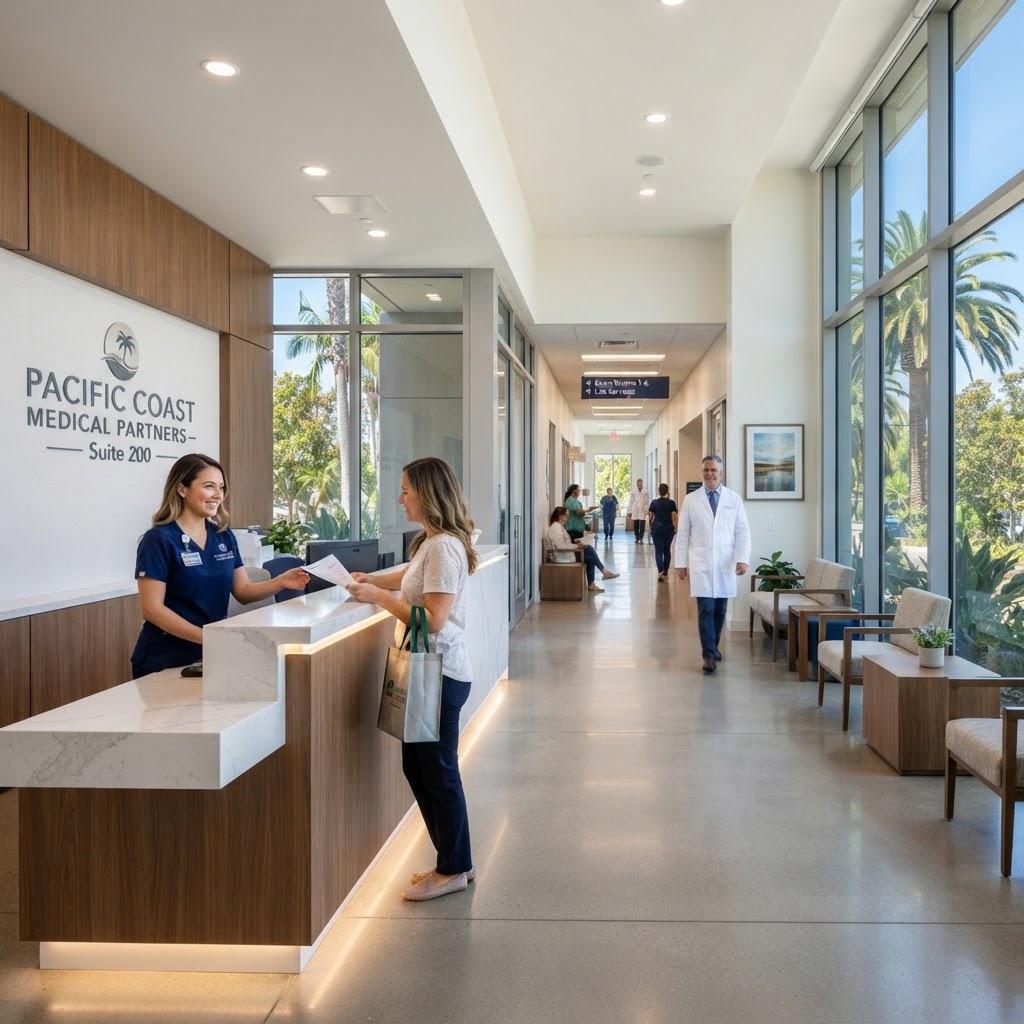
- Focus on Necessity-Based Retail: Retail assets, particularly those anchored by service-based tenants like medical providers, fitness centers, and pet services, are proving resilient. These assets often trade at higher cap rates than other sectors, offering a compelling risk-adjusted return for income-focused investors.
- Selective Development: With 60% of California CRE executives expressing cautious optimism, development opportunities exist but are limited to high-barrier-to-entry markets. Focus on projects that address specific local supply shortages rather than speculative builds.
As we move into the final quarter of 2026, the California market is rewarding those who prioritize long-term fundamentals over short-term speculation. By focusing on high-quality assets and necessity-driven sectors, investors can navigate the current rate environment while positioning themselves for the next cycle of growth.