The Hyper-Local Resilience Model: Neighborhood-Level Disaster Readiness
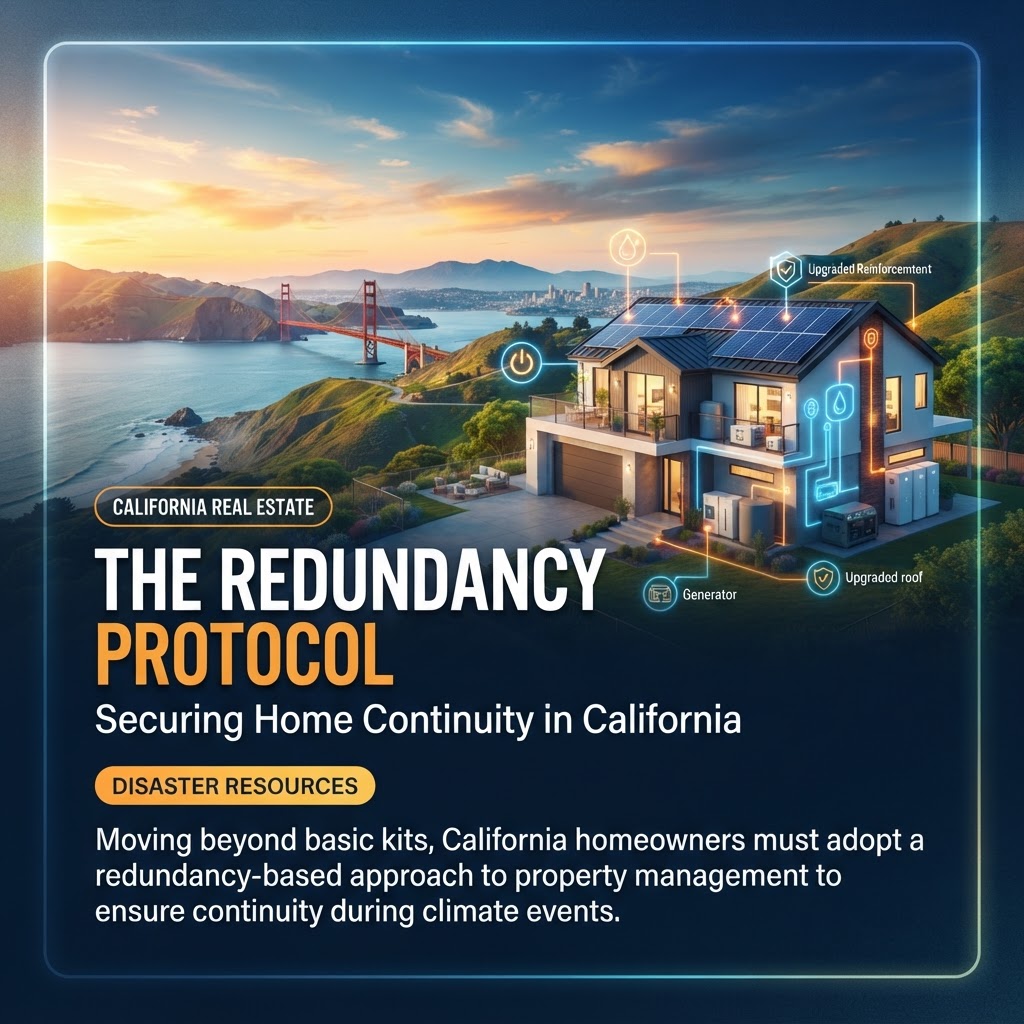
In the evolving landscape of California real estate, disaster preparedness has shifted from a solitary endeavor to a collective necessity. While individual home hardening remains critical, the most effective strategies now leverage the 'neighborhood-level' approach, a model supported by state initiatives like the California Governor’s Office of Emergency Services (Cal OES) Neighborhood Block Party Initiative [2].
The Shift Toward Collective Security
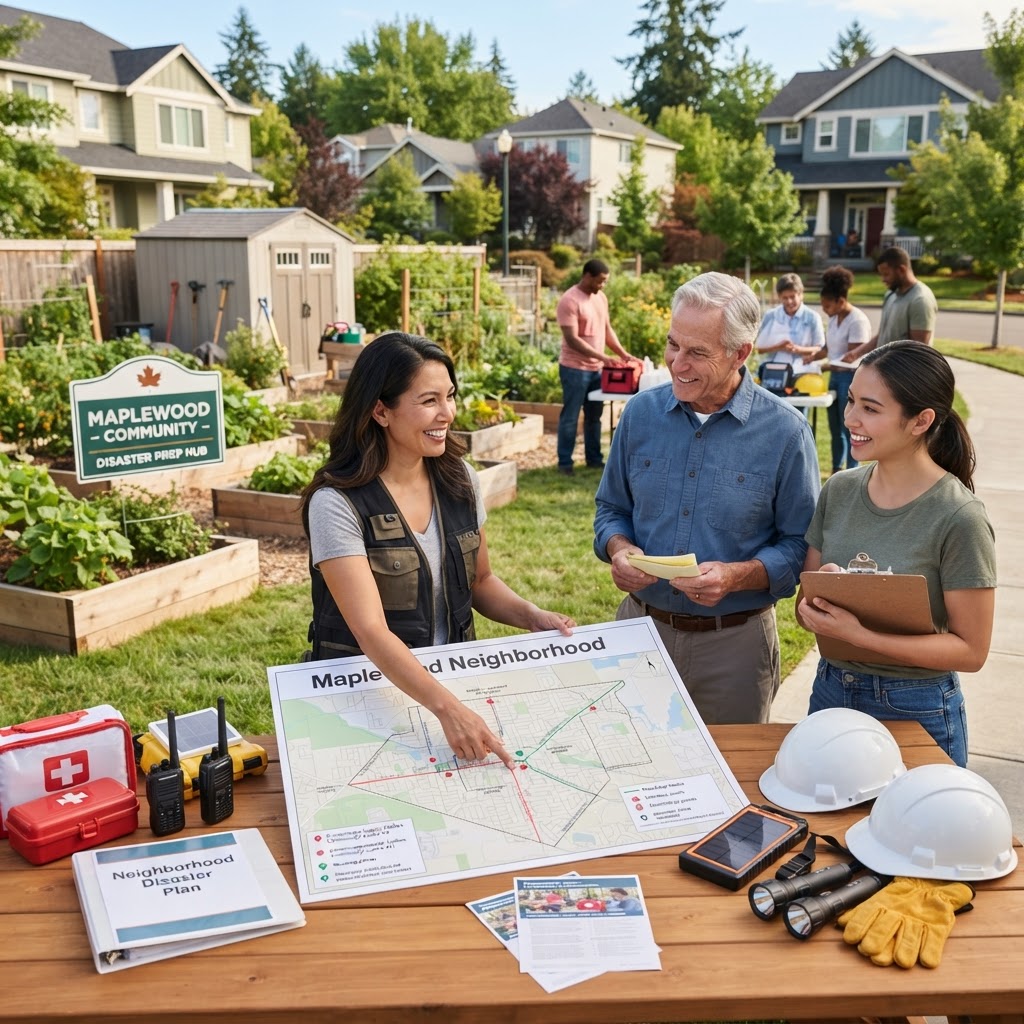
Data from state agencies suggests that individual preparedness is only as strong as the community infrastructure surrounding it. By organizing at the block level, homeowners can share resources, coordinate evacuation routes, and establish communication networks that function even when regional grids fail [9]. This is particularly vital in areas prone to wildfires and extreme heat, where the 'whole community' approach—a framework championed by FEMA—has become the gold standard for resilience [10].
Practical Takeaways for Homeowners and Investors
- Leverage Neighborhood Kits: Utilize resources like the Neighborhood Block Party Kits, which provide structured guidance for hosting readiness events. These kits are available in 15 languages, ensuring that diverse communities can participate in collective planning [2].
- Insurance Tune-Ups: Beyond standard coverage, homeowners should conduct an 'insurance tune-up.' This involves documenting all conversations with agents, verifying the license status of contractors before repairs, and understanding the specific protections offered during declared wildfire emergencies [6].
- Technological Integration: Incorporate digital tools into your household plan. The MyShake app provides early warning for earthquakes, while local utility maps (PG&E, Southern California Edison) are essential for monitoring power stability during high-risk weather events [10].
Policy and Economic Context
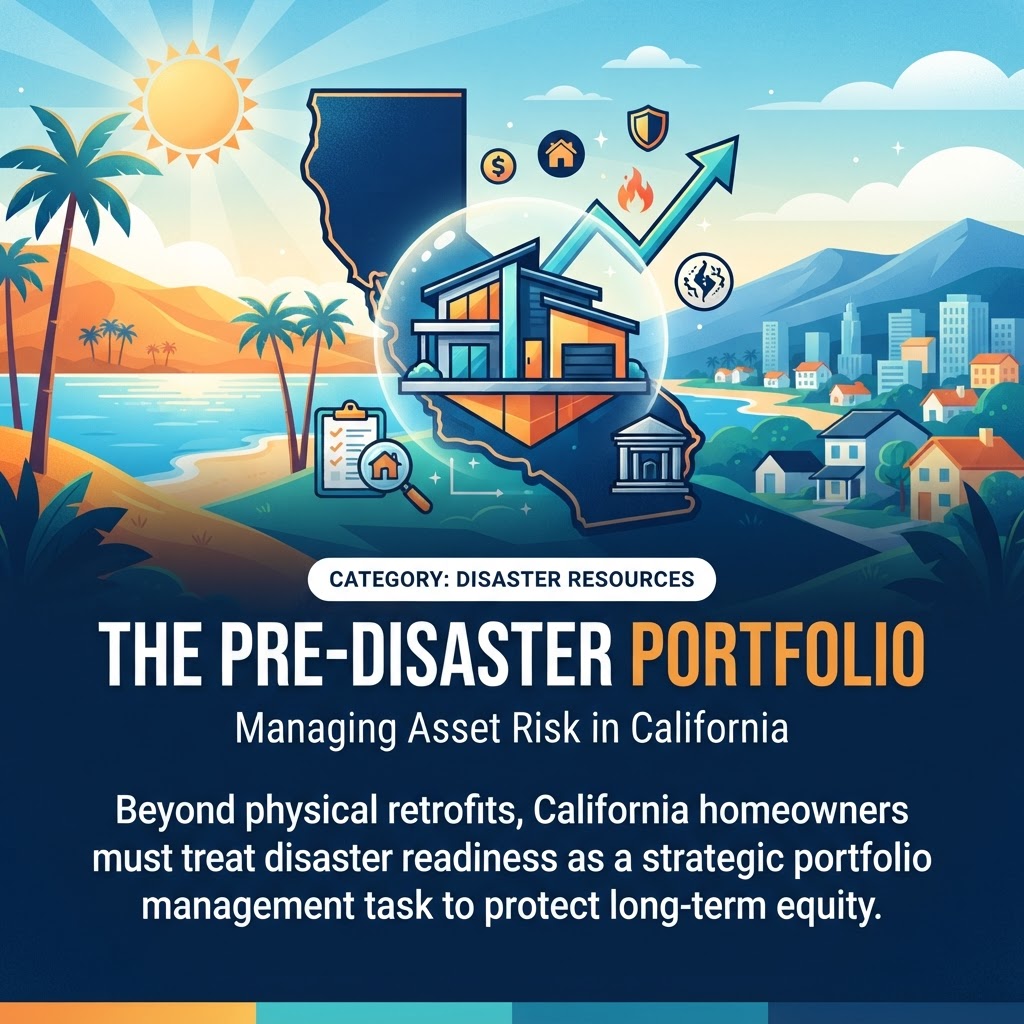
The state is actively addressing the 'resilience gap' through programs like the Insurance Resilience Planning Program (IRPP). This initiative focuses on distressed areas, pairing risk-reduction actions with insurance incentives to stabilize property markets [8]. For investors, this means that properties located in communities with active, documented resilience plans may eventually see more favorable insurance outcomes and long-term value retention compared to those in isolated, unprepared areas.
Conclusion
Resilience in California is no longer just about the physical structure of a home; it is about the connectivity of the neighborhood. By participating in local emergency planning and utilizing state-provided resources, homeowners can create a more robust defense against the state's increasing climate risks [3].