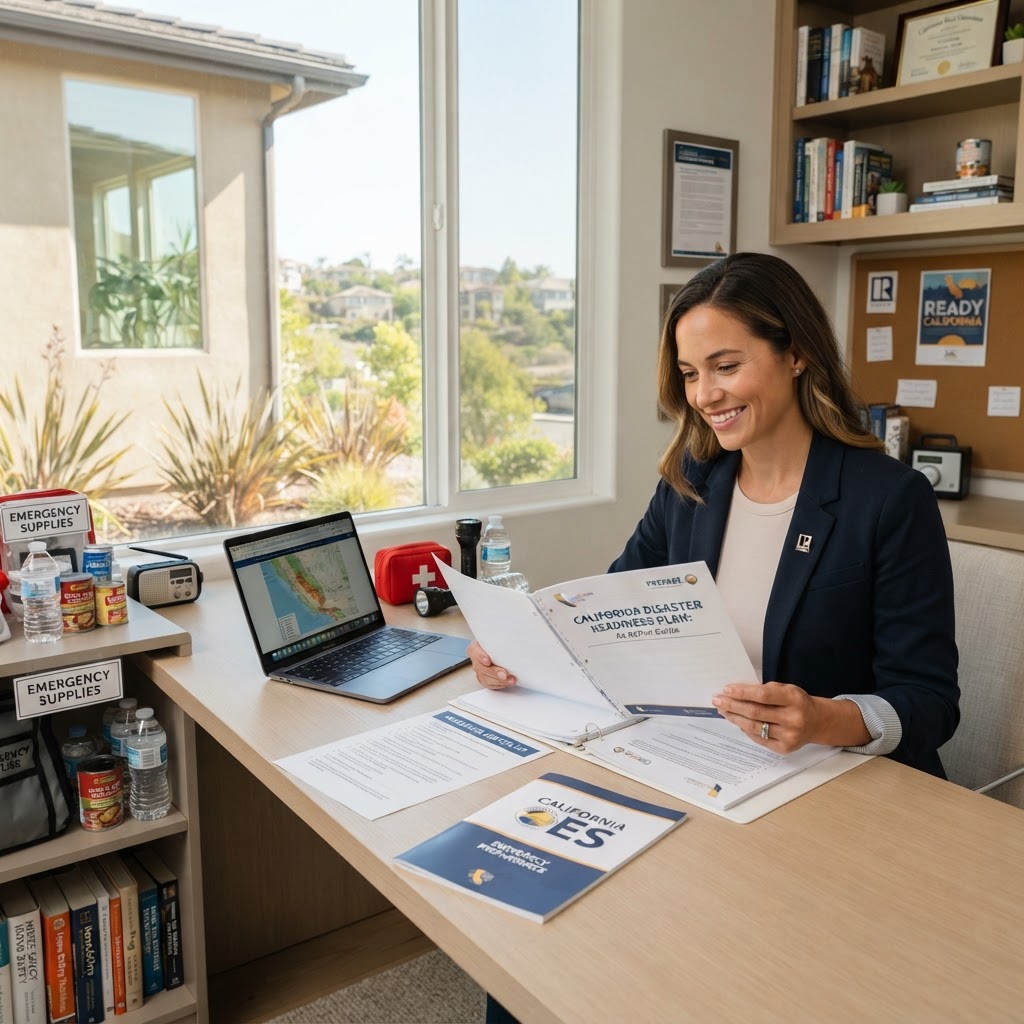
The Proactive Homeowner: A Tactical Guide to California Disaster Readiness
With California currently ranked as the third-highest state for natural disaster risk in the nation, the traditional 'set it and forget it' approach to homeownership is no longer viable. As insurers retreat from high-risk zones and the reliance on the FAIR Plan grows, homeowners must shift from passive policyholders to active risk managers.
The New Reality of Risk
Every county in California has experienced a federally declared flood disaster within the last 20 years, and wildfires remain the most destructive force in the state. Data indicates that in some regions, such as Red Bluff and Chico, over 80% of properties face significant wildfire risk. This environment necessitates a comprehensive strategy that combines structural hardening with administrative vigilance.
Structural Hardening: The First Line of Defense
Resilience begins with the physical structure. Homeowners should prioritize:
- Defensible Space: Regularly clear flammable vegetation and debris within a 100-foot radius of the home.
- Vent Protection: Install thin metal wiring over vents to prevent ember intrusion, a common cause of home ignition during wildfires.
- Spark Arrestors: Ensure chimneys are equipped with approved spark arrestor caps to prevent roof ignition.
- Visibility: Ensure your address is clearly visible from the street to assist emergency responders during evacuations.
Administrative Readiness: Beyond the Policy
Insurance is a critical component, but it is not a substitute for preparation. As the insurance market tightens, homeowners must be proactive:
- Inventory Management: Maintain a digital, updated inventory of all possessions. This is essential for expediting claims after a disaster.
- Policy Audits: If you have made home additions or renovations, ensure your coverage limits are adjusted to reflect the current replacement cost.
- Documentation: Keep a copy of your insurance policy in a secure, off-site location or digital cloud. Under California law, insurers must provide a copy of your policy within 30 days of a request.
- Avoid Duress: In the aftermath of a disaster, be wary of out-of-state adjusters and do not sign documents under pressure. Always verify the license status of any contractor before authorizing repairs.
Practical Takeaways for Owners and Investors
For those navigating the California market, the following steps are essential:
- Assess Flood Risk: Remember that standard homeowner policies typically exclude flood damage. Evaluate your property's specific flood risk and consider supplemental coverage.
- Utilize State Resources: Leverage tools from Listos California and the California Department of Insurance to stay informed about local assistance centers and disaster recovery protocols.
- Engage with Local Data: Monitor local wildfire and flood maps to understand how your property's risk profile evolves over time, as this directly impacts long-term asset value and insurability.
By integrating these physical and administrative safeguards, California homeowners can better protect their investments and ensure their families are prepared for the state's inevitable environmental challenges.


