Beyond the Kit: A Homeowner’s Guide to California’s Evolving Risk Landscape
For California homeowners, disaster preparedness has evolved from a simple "go-bag" exercise into a complex requirement for property stewardship. With the state investing over $100 million in community preparedness since 2019 through initiatives like Listos California [6], the focus has shifted toward systemic resilience and proactive risk management.
Understanding the New Normal
California’s risk profile is no longer limited to seasonal events. The state faces a perpetual cycle of extreme heat, wildfire, and seismic activity [6]. For homeowners, this means that "preparedness" must be integrated into the physical maintenance of the home itself, rather than just stored in a closet.
Strategic Resilience: Beyond the Basics
To build true resilience, homeowners should consider the following actionable steps:
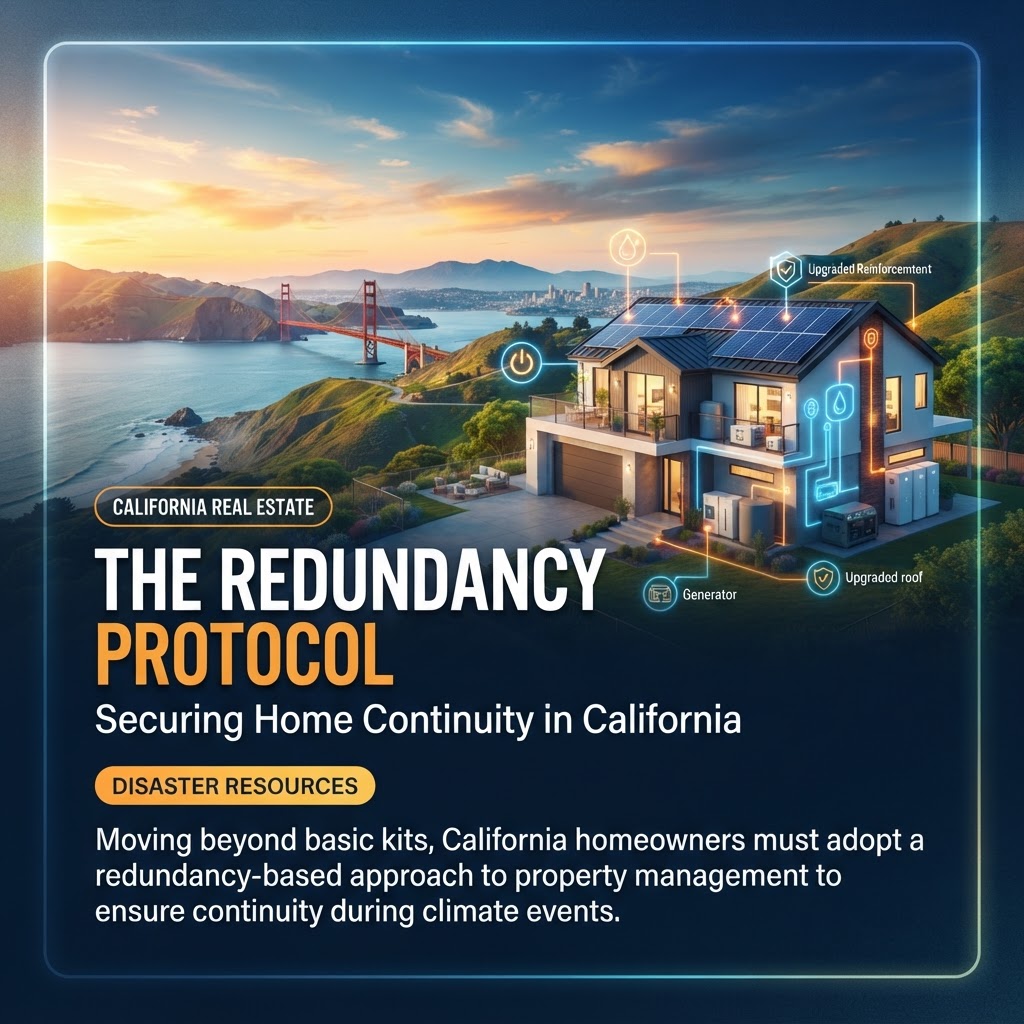
- Structural Hardening: Beyond clearing defensible space, consider retrofitting for fire and seismic resistance. As noted by the County of Sonoma, rebuilding efforts provide a unique window to integrate energy efficiency and hazard mitigation that exceed current building codes [1].
- Digital Readiness: Relying on cellular networks during a disaster is a vulnerability. Maintain physical copies of essential documents, including insurance policies and property deeds, in a fireproof, portable container [3].
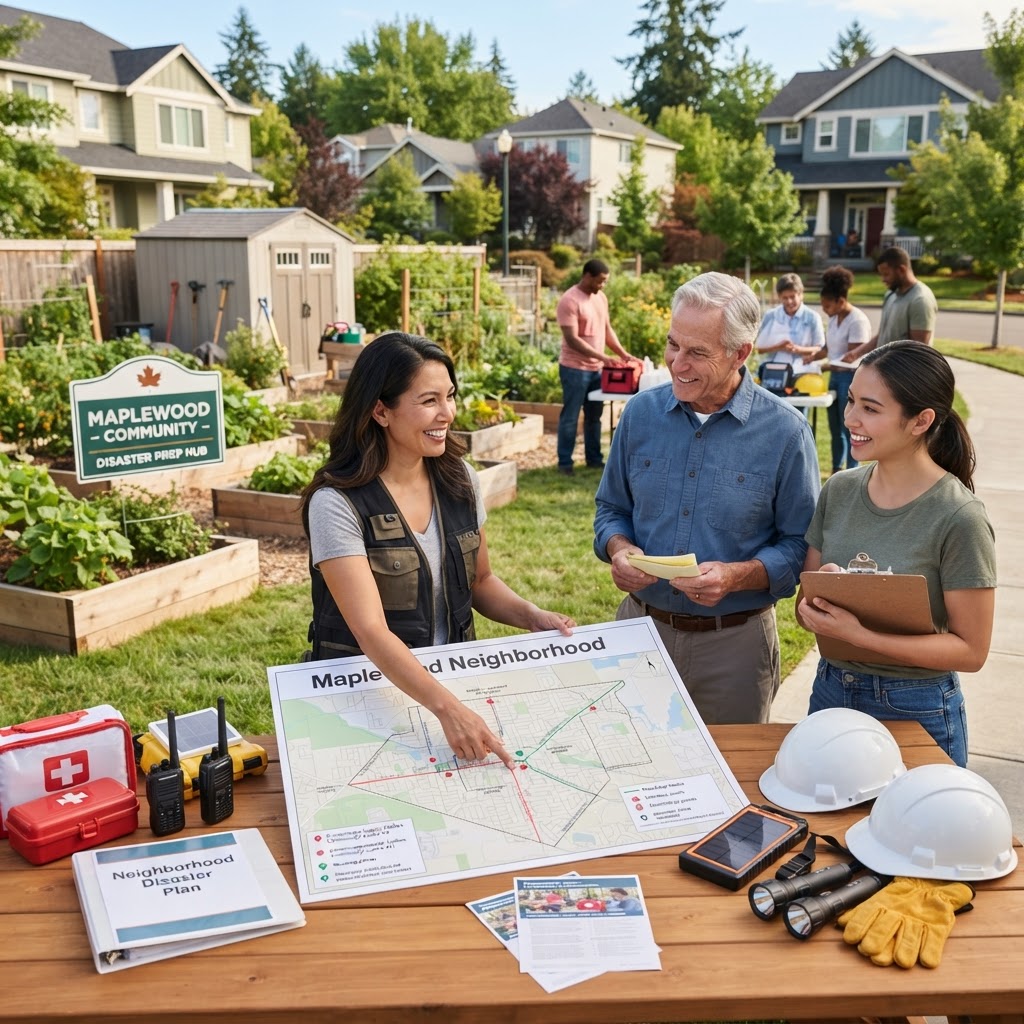
- Community-Level Planning: Disaster response is often decentralized. Identify your local emergency meeting points and establish out-of-area contacts, as local phone lines may be overwhelmed during a crisis [8].
Practical Takeaways for Homeowners
Whether you are an owner, seller, or investor, the following actions can improve your property’s standing in an increasingly volatile market:
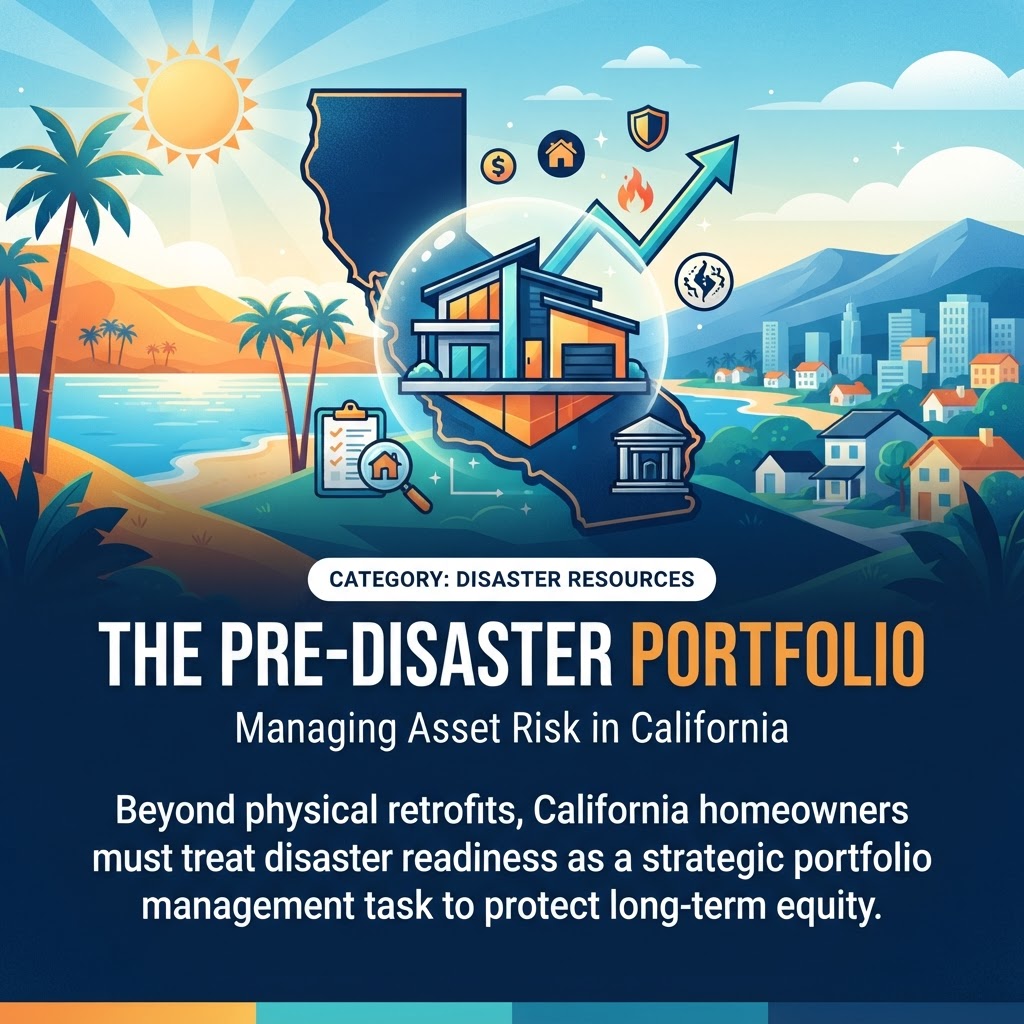
- Audit Your Coverage: Standard policies may not cover all climate-related risks. Review your policy specifically for wildfire and earthquake coverage gaps.
- Leverage State Resources: Utilize the Listos California five-step readiness plan to receive text-based reminders and localized alerts tailored to your specific region [10].
- Energy Independence: Given the pressure on the energy grid during heatwaves, consider investing in backup power solutions or solar-plus-storage systems to ensure your home remains habitable during extended outages [5].
By treating disaster preparedness as a continuous lifecycle rather than a one-time task, California homeowners can protect their equity and ensure the safety of their households in the face of an unpredictable climate.