Beyond the Perimeter: The Economics of Home Hardening in California
For California homeowners, the intersection of rising wildfire risk and a volatile insurance market has transformed property maintenance from a routine chore into a critical financial strategy. With insurers increasingly withdrawing from high-risk zones or raising premiums, the ability to secure and maintain coverage is now directly tied to the physical resilience of the structure itself.
The Economic Case for Mitigation
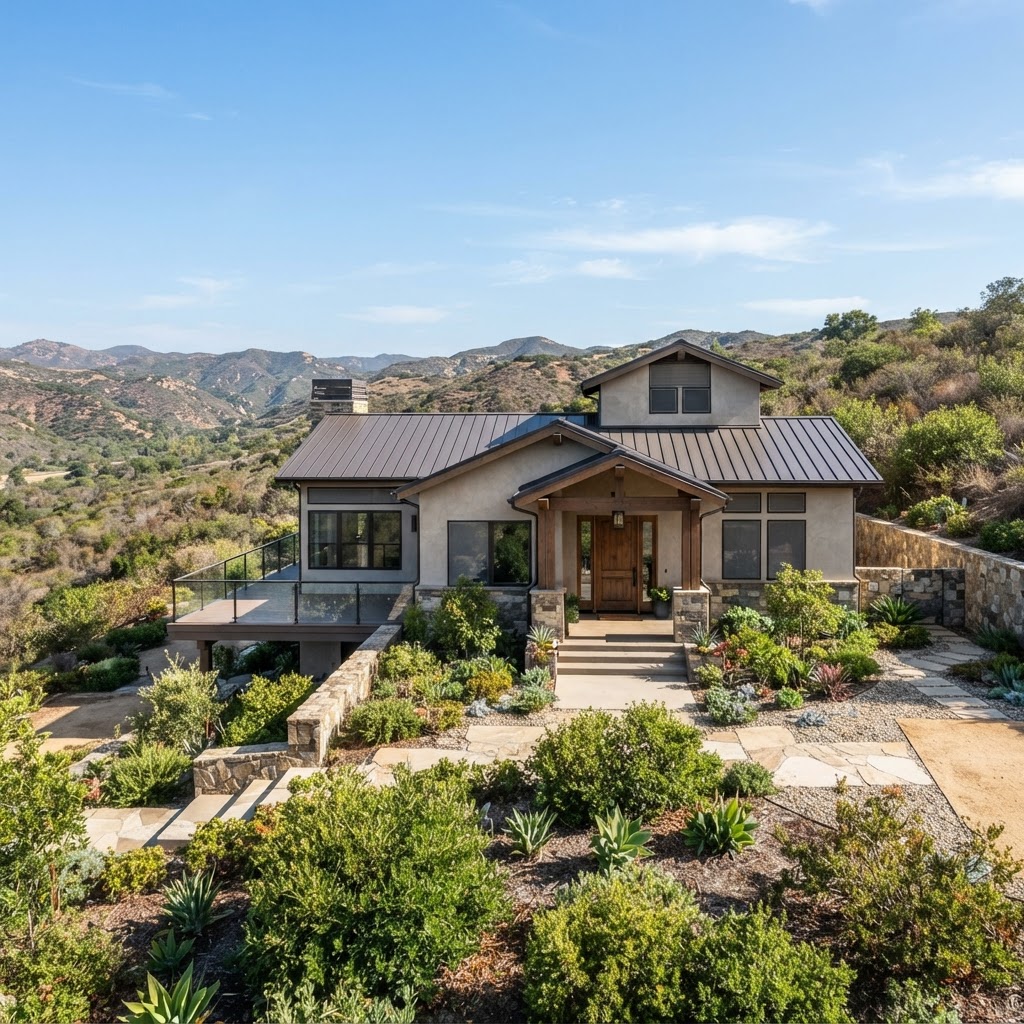
While the cost of retrofitting a home can range from $2,000 to over $100,000 depending on the scope of work, the return on investment extends beyond simple peace of mind. Research indicates that for every dollar invested in a home hardening economy, the state sees approximately $1.70 in returned economic activity. By focusing on the 'home ignition zone'—clearing vegetation and utilizing fire-resistant materials—homeowners can significantly reduce the likelihood of ember-caused ignitions, which are a primary driver of residential loss during wildfires.
Navigating the Insurance Protection Gap
A significant challenge facing California residents is the 'protection gap,' or underinsurance. Studies have shown that in major wildfire events, a large majority of claimants find that their policy limits are insufficient to cover the actual cost of rebuilding. To mitigate this, homeowners should:
- Audit Coverage Limits: Regularly review policies to ensure they reflect current local construction costs, not just the original purchase price.
- Leverage New Protections: Recent legislative changes now require insurers to pay out at least 60% of personal property coverage limits—up to $350,000—without requiring a detailed itemized list immediately following a total loss.
- Seek Mitigation Incentives: Programs like the California Wildfire Mitigation Program (CWMP) are increasingly targeting neighborhood-scale retrofits, particularly for vulnerable populations in high-risk ZIP codes.
Practical Steps for the Proactive Homeowner
Resilience is not a one-time project but a lifecycle of maintenance. Homeowners should prioritize the following actions to protect their equity:
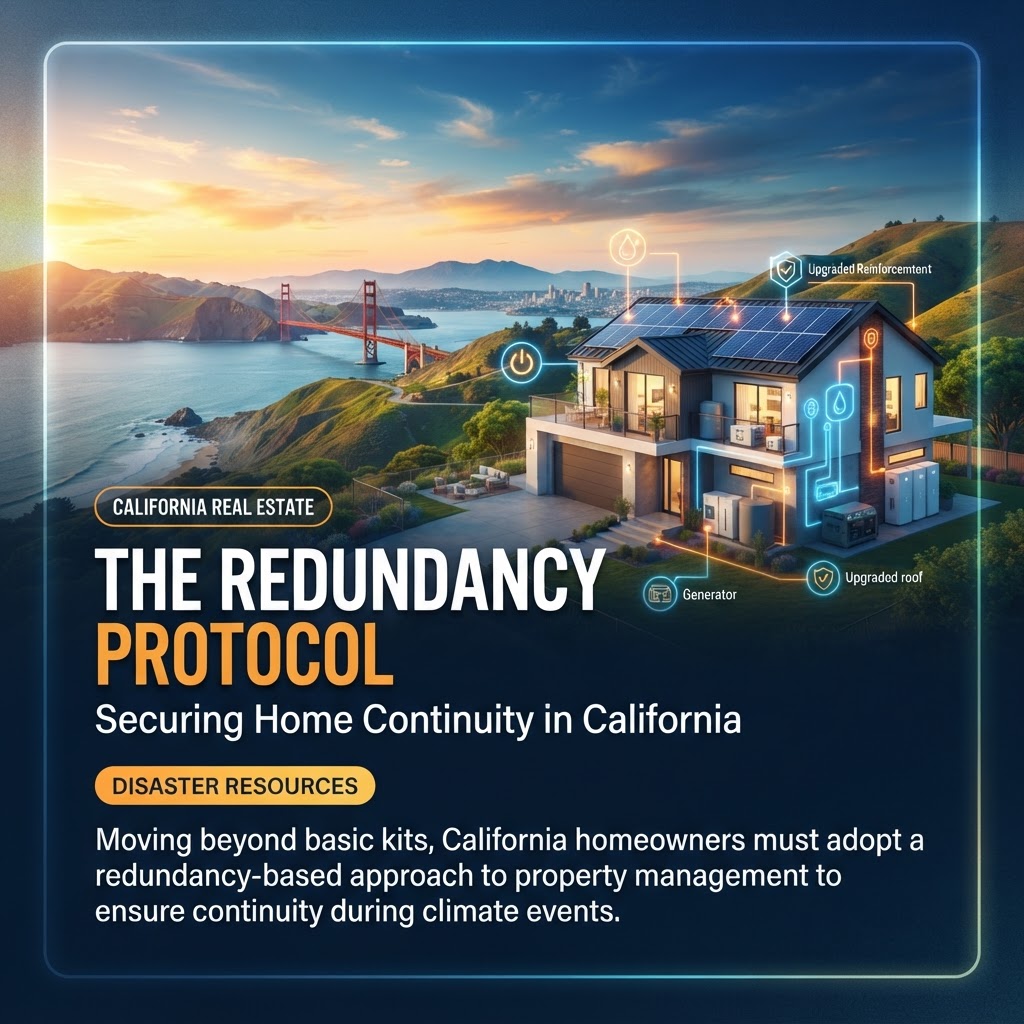
- Hardening the Structure: Focus on 'low-hanging fruit' such as installing ember-resistant vents, upgrading to multi-pane tempered glass windows, and ensuring roof materials meet current fire-resistance standards.
- Defensible Space: Maintain a rigorous vegetation management schedule. The goal is to eliminate the 'ladder fuels' that allow ground fires to reach the structure.
- Tax Relief Awareness: In the event of a disaster, remember that California offers property tax relief for homes damaged by fire, earthquake, or flooding, provided the damage meets specific market value thresholds.
Ultimately, the goal of home hardening is to transition from a reactive stance to a proactive one. By treating structural resilience as a core component of property value, California homeowners can better navigate the state's evolving risk landscape and ensure their homes remain insurable assets for the long term.