Beyond the Policy: A Strategic Framework for California Homeowner Resilience
For California homeowners, the traditional approach to disaster preparedness—buying a policy and hoping for the best—is no longer sufficient. With the state facing a perpetual cycle of wildfires, seismic activity, and extreme heat, resilience requires a multi-layered strategy that integrates structural hardening, financial planning, and community engagement.
The Financial Vulnerability of 'Self-Insuring'
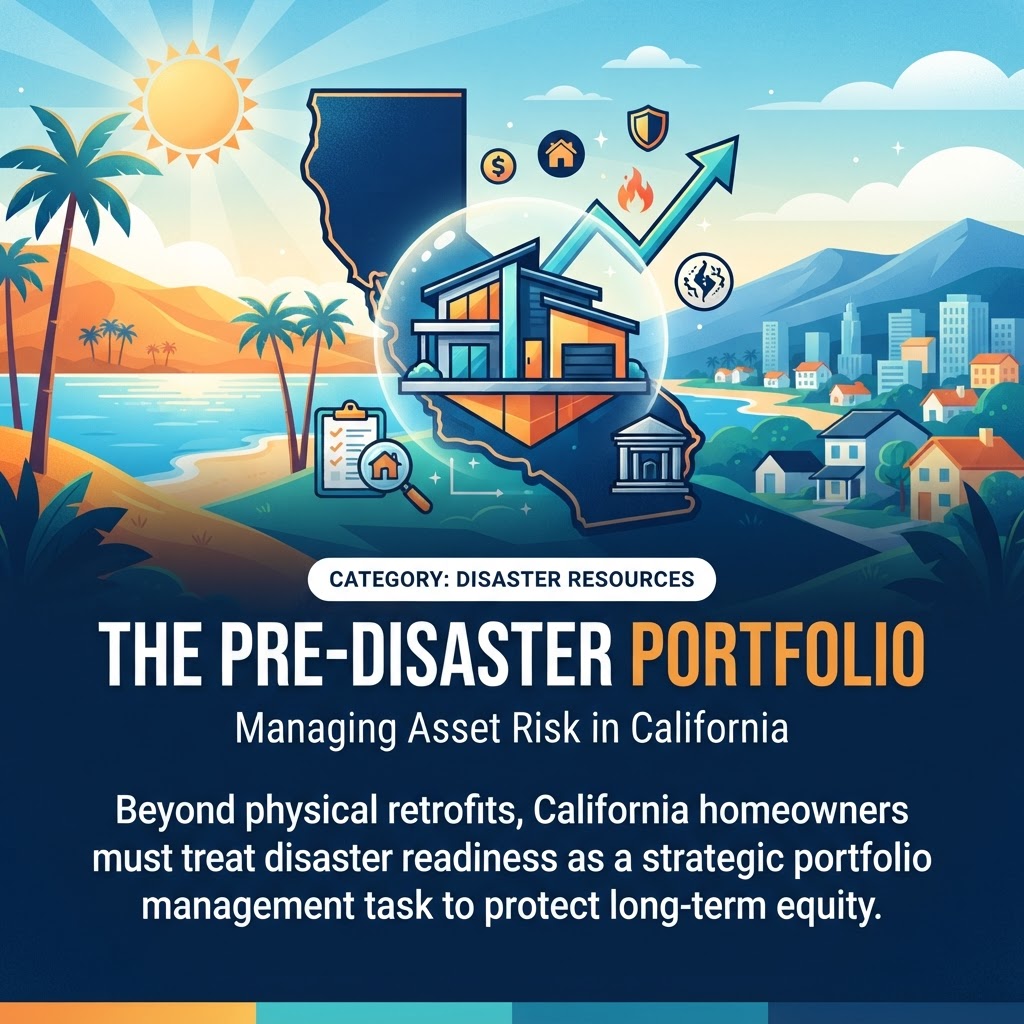
A growing concern in the California market is the trend of homeowners opting to 'self-insure' once their mortgage is paid off. While this eliminates monthly premiums, it creates a catastrophic financial exposure. Data from the California Department of Insurance indicates that historical loss ratios for fire and multi-peril lines are under immense pressure, leading to coverage gaps. Homeowners must recognize that without a policy, the entire equity of their property is at risk, and community recovery efforts are often hindered when residents lack the capital to rebuild.
Structural Hardening: A Practical Investment
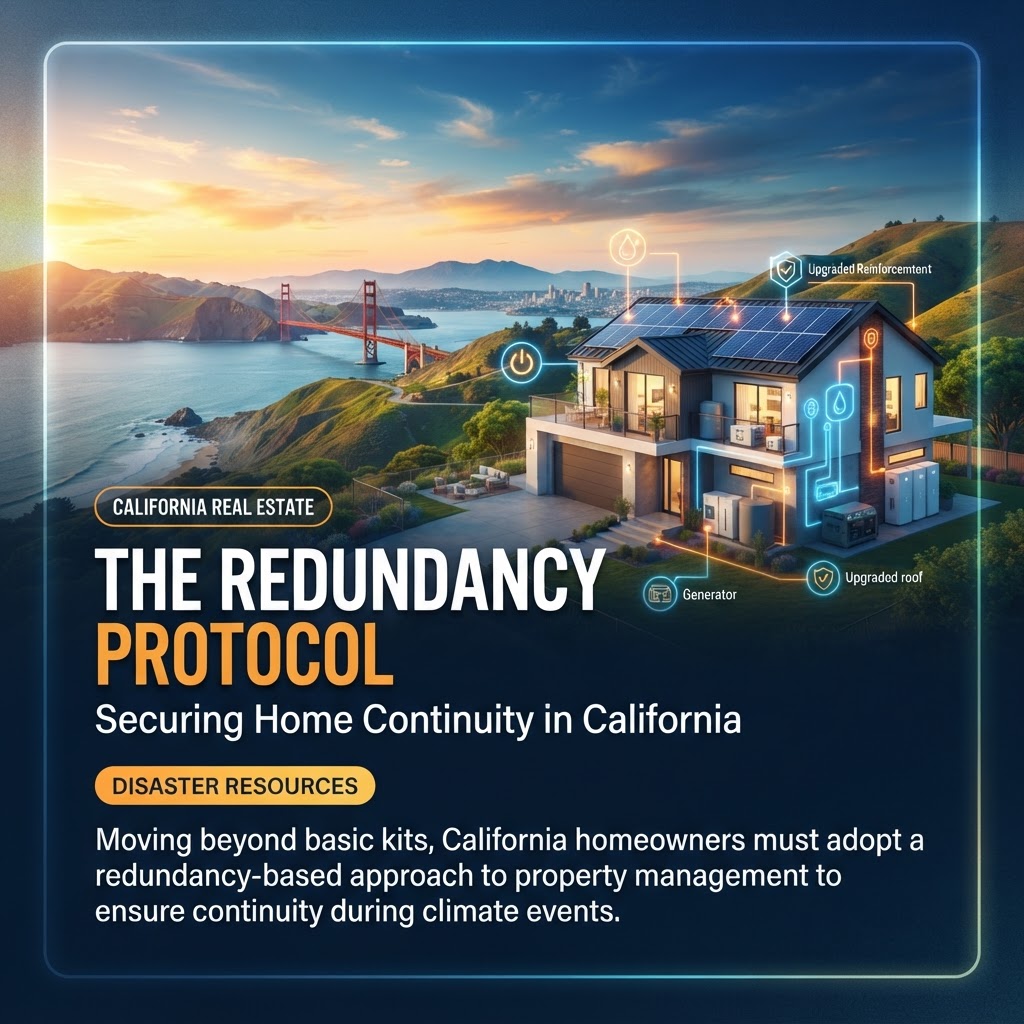
Resilience begins with the physical integrity of the home. For wildfire-prone areas, this means moving beyond simple defensible space to active home hardening—retrofitting with fire-resistant materials. In seismic zones, such as the Bay Area, where there is a 63% probability of a magnitude 6.7 or larger earthquake in the next 30 years, structural retrofitting is essential. Programs like the City of Oakland’s seismic grant initiatives demonstrate that targeted investments, such as soft-story retrofits, can significantly mitigate damage and preserve property value.
Actionable Steps for the Proactive Homeowner
- Audit Your Coverage: Do not assume your current policy covers all natural disasters. Review your policy specifically for wildfire and earthquake exclusions.
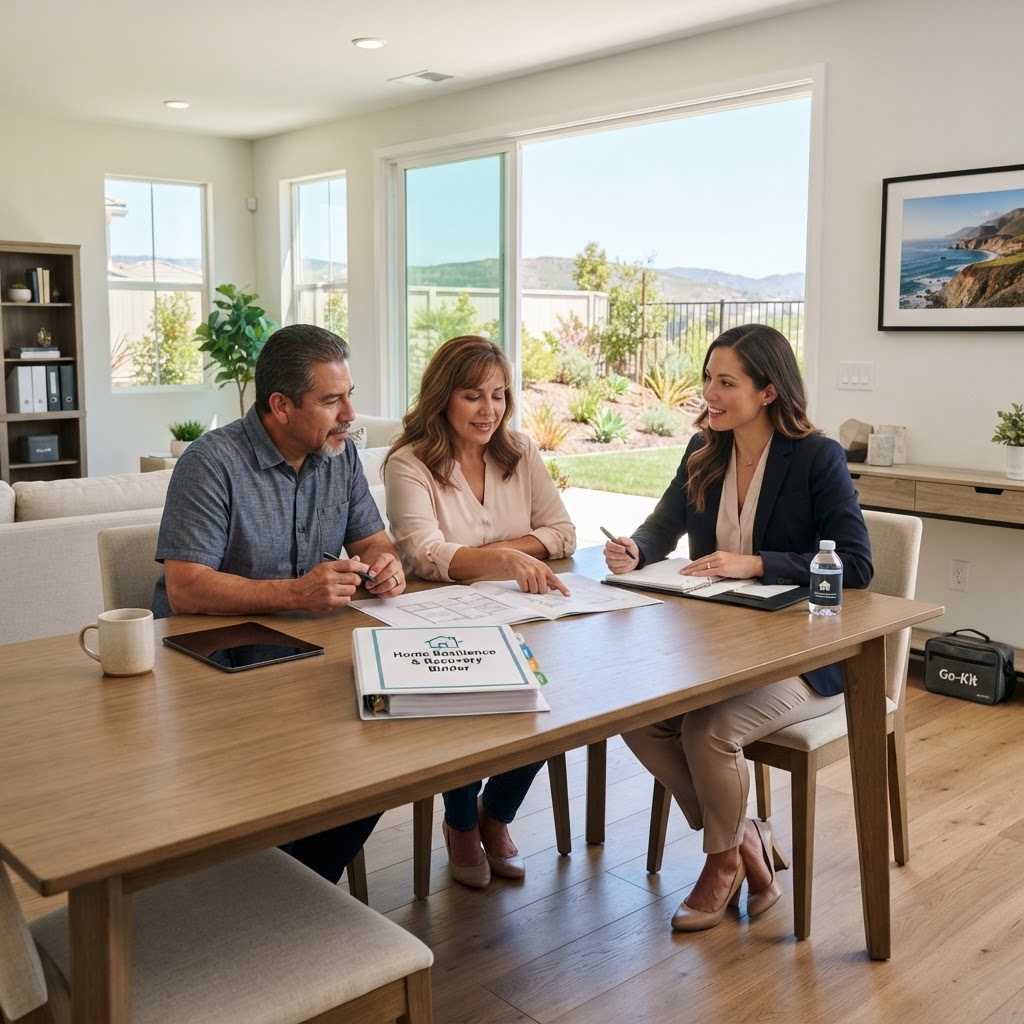
- Document Assets: Maintain a digital inventory of your belongings with photos and receipts. This is critical for expediting claims after a disaster.
- Leverage State Resources: Utilize the Listos California campaign and Cal OES resources to build a family emergency plan that accounts for local evacuation routes and communication protocols.
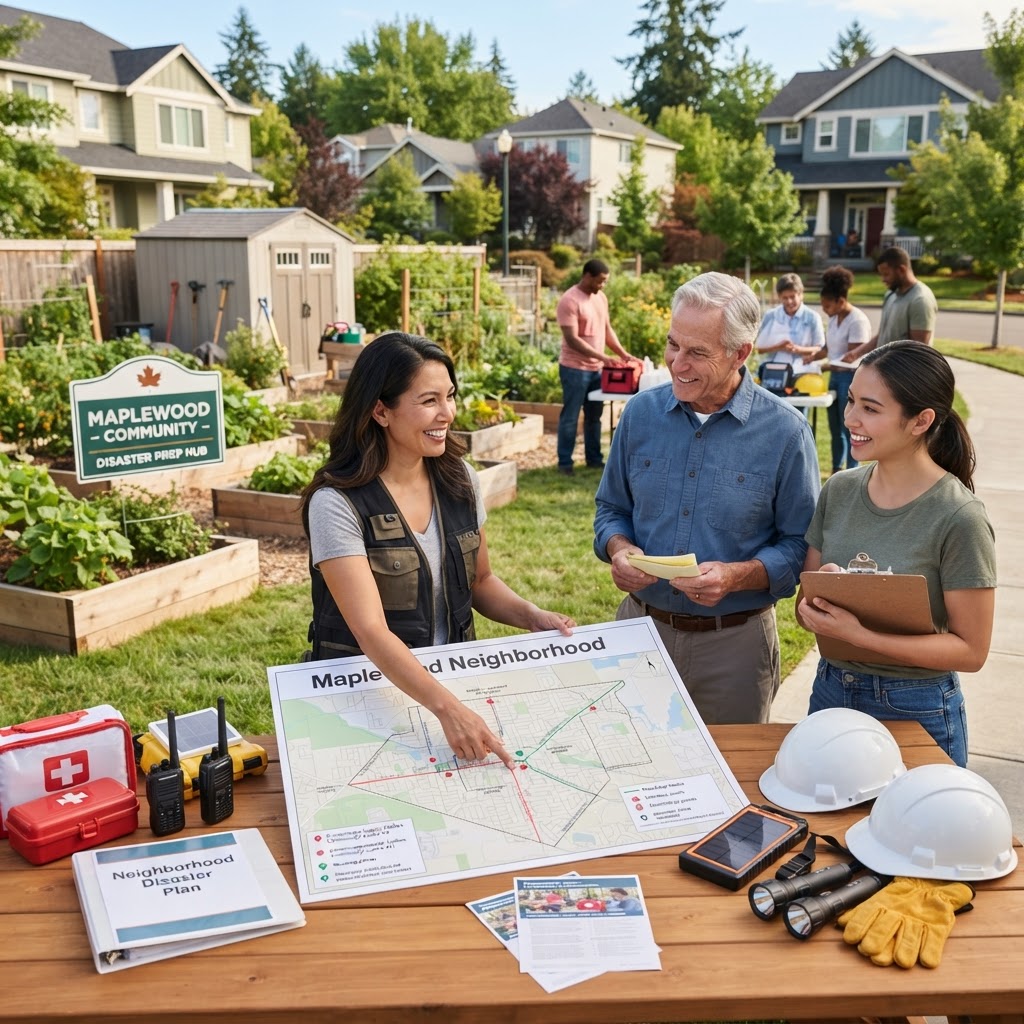
- Community Integration: Disaster resilience is a collective effort. Engage with local Fire Safe Councils to understand corridor-specific evacuation plans and neighborhood-level mitigation strategies.
Conclusion
The goal of modern disaster preparedness is to transition from reactive recovery to proactive resilience. By hardening your physical structure, securing comprehensive financial protection, and staying informed through state-backed emergency management channels, you protect not just your asset, but your ability to remain in your community long-term.