Beyond the Kit: Integrating Disaster Readiness into California Home Equity
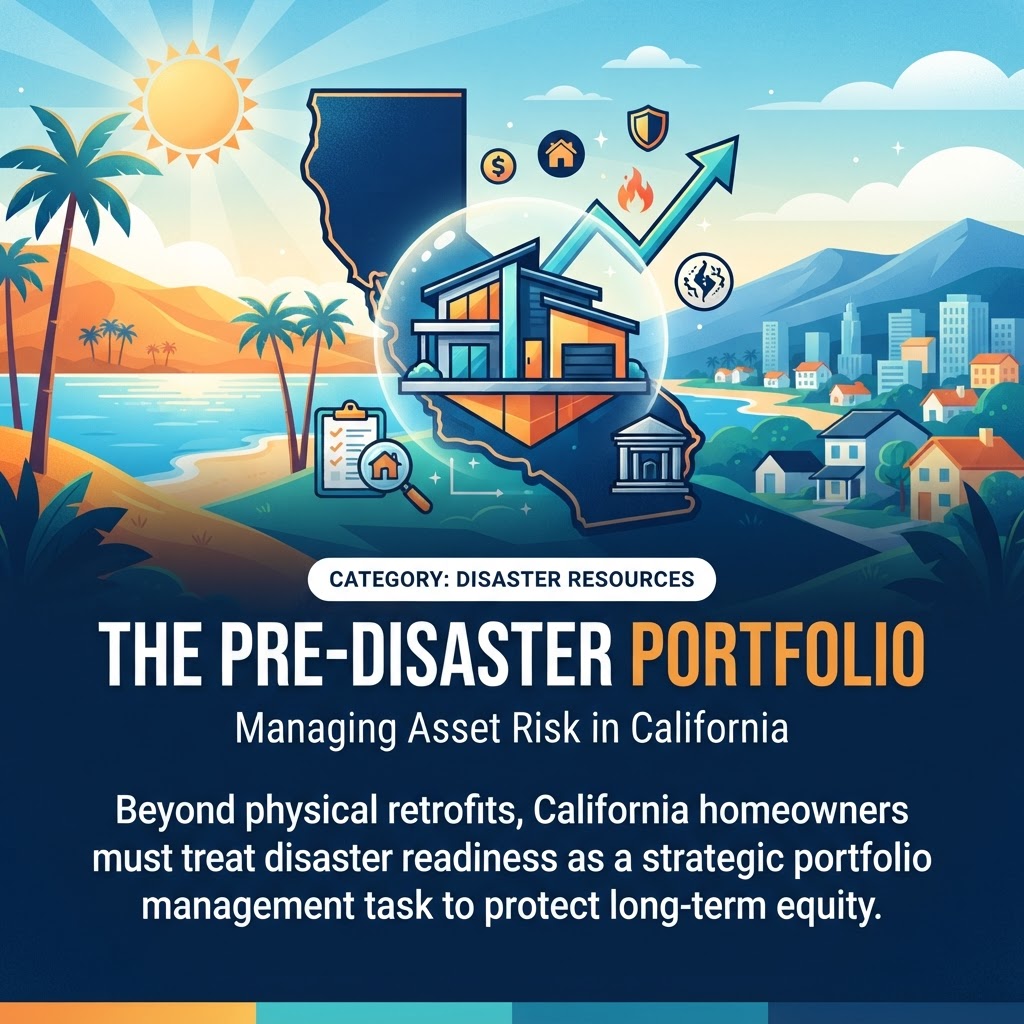
For the California homeowner, disaster preparedness has evolved from a simple 'go-bag' exercise into a critical component of asset management. With insurance premiums in high-risk areas rising by 80% between 2022 and 2025, the financial stability of your property is now inextricably linked to your proactive mitigation efforts [2].
The Structural-Financial Nexus
While many homeowners focus on emergency kits, the most significant threat to home equity is the gap between replacement costs and current insurance coverage. As climate-related disasters increase in frequency, the 'once-in-a-generation' event is becoming a recurring fiscal reality [6]. Homeowners must move beyond standard policies to ensure they have adequate coverage for total reconstruction, particularly in regions prone to wildfire and seismic activity [4, 10].
Actionable Strategies for Homeowners
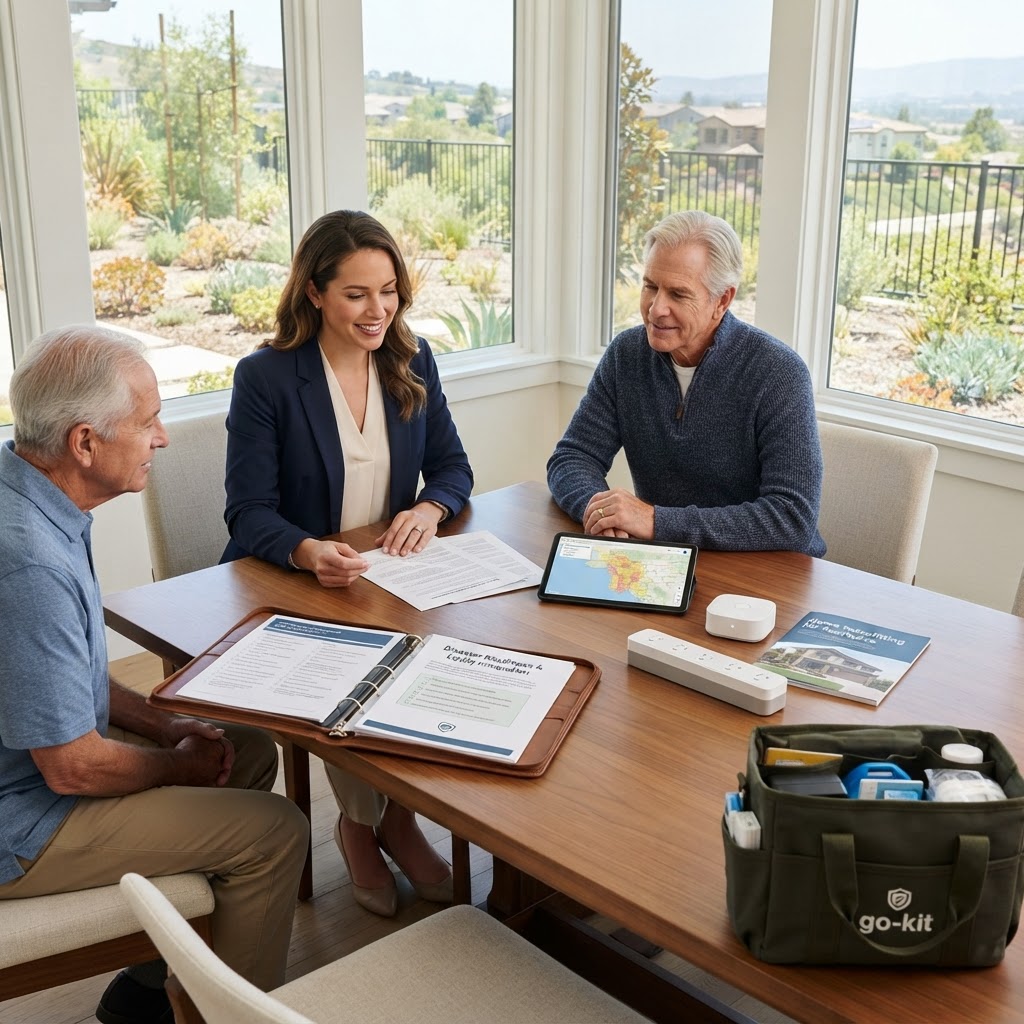
- Audit Your Coverage: Do not assume your policy covers the full cost of rebuilding in today's market. Conduct an annual 'insurance tune-up' to verify that your dwelling coverage reflects current construction costs, not just the original purchase price [4].
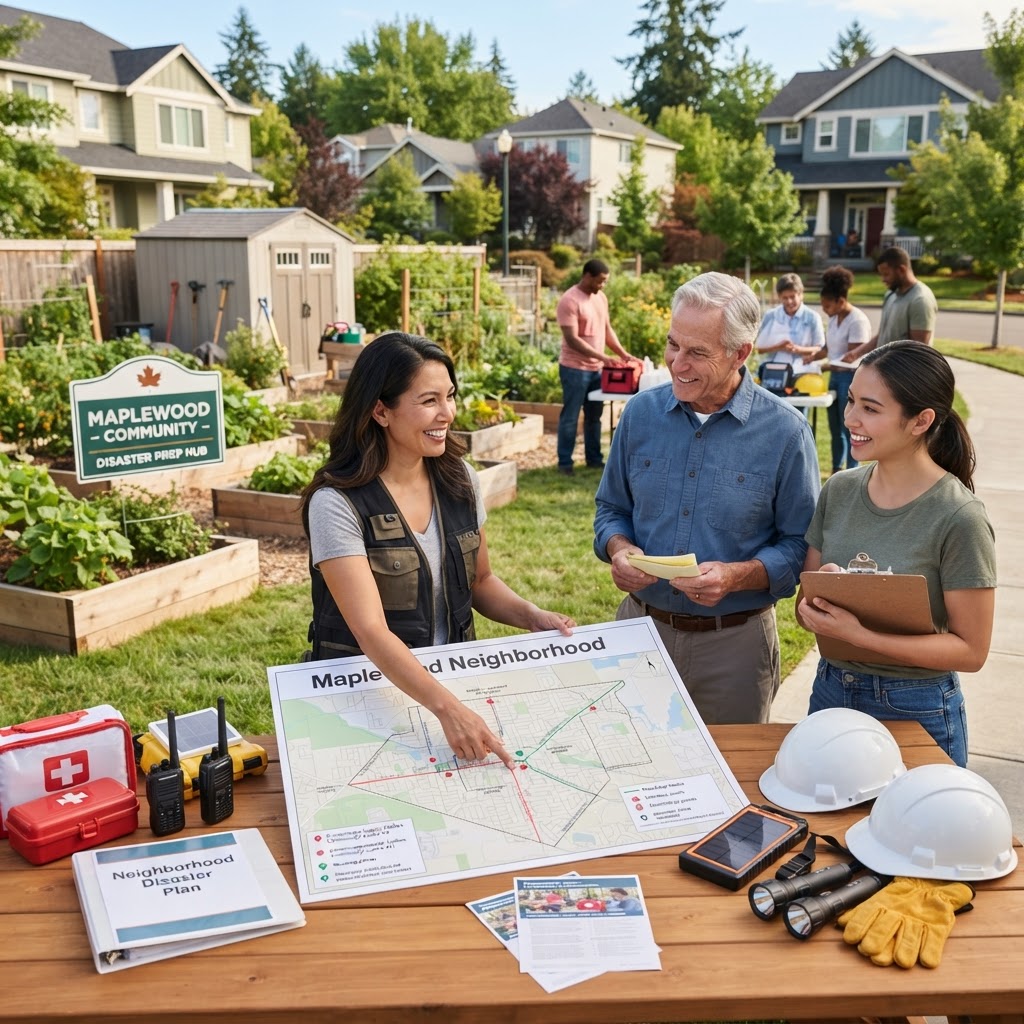
- HOA and Community Resilience: If you live in a common interest development, verify that your HOA has a written emergency plan and adequate reserve funding. Many associations are under-insured, which can lead to massive special assessments for individual owners following a disaster [9].
- Documenting Assets: Digital documentation is a low-cost, high-impact strategy. Use video to record the contents of your home annually, storing this data in a secure, cloud-based location to expedite claims processing [10].
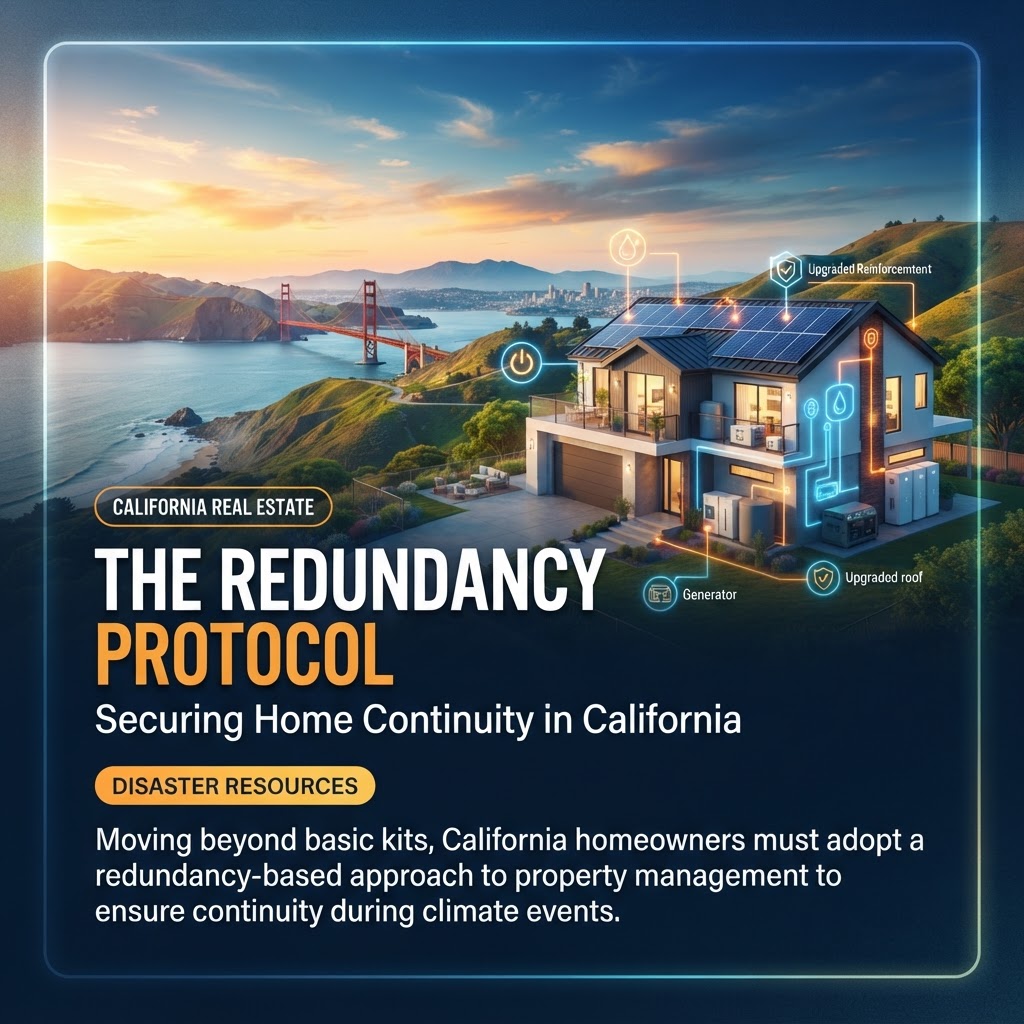
- Hardening for Value: Beyond safety, structural hardening—such as installing ember-resistant vents or seismic retrofitting—can be a differentiator in the resale market. As buyers become more risk-aware, properties with documented mitigation measures may command a premium or, at minimum, remain insurable [7].
Leveraging State Resources
The state has invested over $100 million since 2019 through the Listos California program to bolster community resilience [8]. Homeowners should utilize these resources to identify local risks, such as flood zones or high-fire-severity areas, which are often updated by the state [3, 8]. Engaging with local emergency management offices can provide insights into community-wide evacuation routes and communication protocols that individual planning often overlooks [10].
Conclusion
Disaster preparedness is no longer just about survival; it is about the preservation of wealth. By treating home hardening and insurance adequacy as essential maintenance rather than optional upgrades, California homeowners can better navigate the state's evolving risk landscape and protect their long-term financial interests.