Closing the California Preparedness Deficit
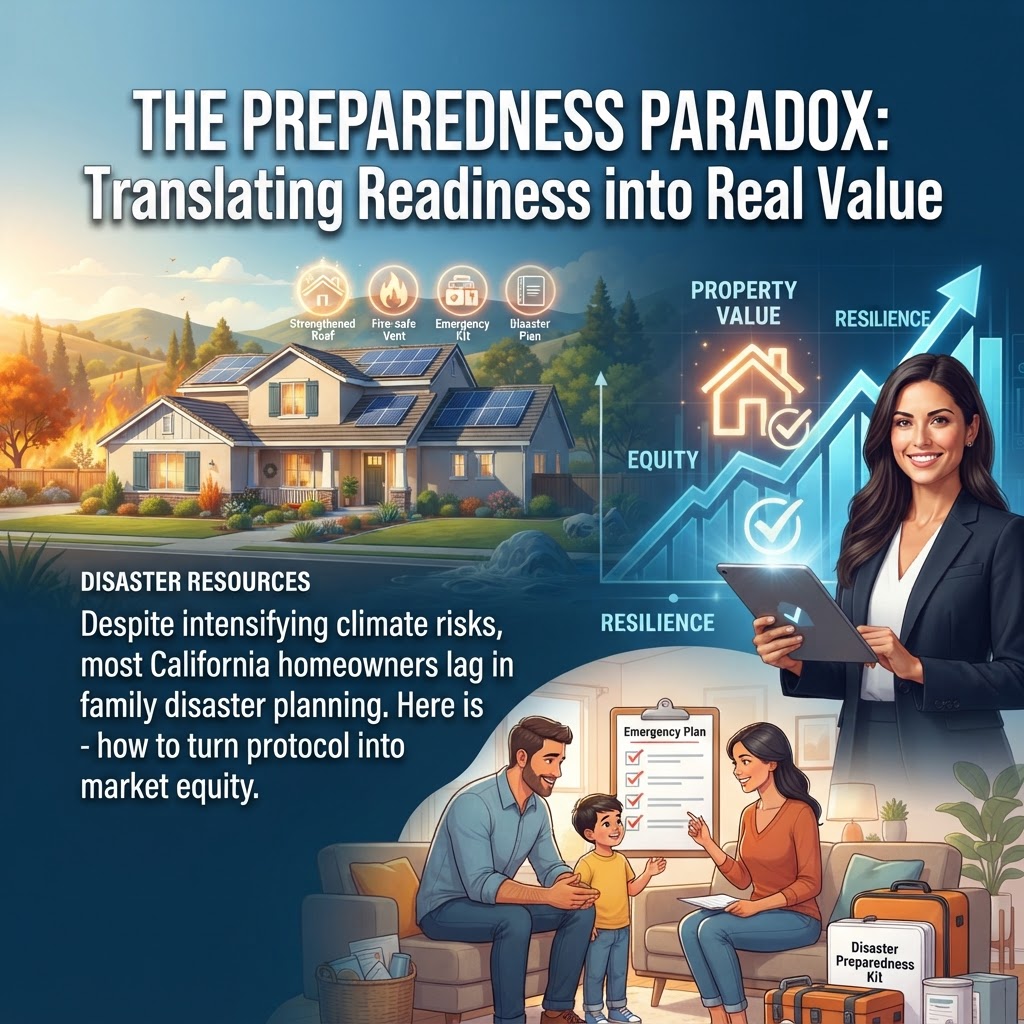
For California property owners, the physical reality of living alongside environmental hazards is well understood. Yet an enduring gap persists between recognizing vulnerability and achieving true operational preparedness. According to benchmark survey data from the Public Policy Institute of California (PPIC), fewer than half of Californians (44%) report having an established disaster plan, while roughly 51% admit to having none at all. This inertia exposes homeowners not only to acute safety risks during emergency activations, but also to lingering post-disaster appraisal and settlement penalties.
As California enters late 2026, state-level emergency response mechanisms have expanded their data integration, leveraging sophisticated platforms like the Fire Integrated Real-Time Intelligence System (FIRIS) and the Next Generation Situation Control Operations and Unified Technology (NG-SCOUT) platform under the California Governor's Office of Emergency Services (Cal OES). However, municipal data feeds and high-tech early warning systems can only protect asset values if parcel owners implement coordinated preparedness routines.
The Direct Line Between Preparedness and Property Valuation
Preparedness extends far beyond keeping non-perishable rations. In contemporary underwriting and property transactions, a structured disaster operational plan functions as proof of risk management. Real estate appraisers, insurers, and institutional buyers increasingly scrutinize home protection files, particularly in areas intersecting high-fire and flood corridors.
- Underwriting Clarity: With carriers tightening terms, homeowners who maintain explicit disaster records—ranging from defensible-space compliance certificates to annual utility-valve maintenance logs—consistently encounter fewer friction points during renewals or policy reassessments.
- Escrow Confidence: Prospective buyers evaluating properties in wildland-urban interface (WUI) zones or seismic belts actively discount purchase offers when deferred mitigation and poor emergency maintenance indicate unmanaged liabilities.
- Accelerated Post-Loss Recovery: Property owners equipped with pre-cataloged digital inventory systems and documented evacuation checklists process claims through private carriers and the California FAIR Plan weeks ahead of unprepared claimants, preventing extended mortgage and relocation cost drains.
Institutional Resources: Tapping State Resilience Frameworks
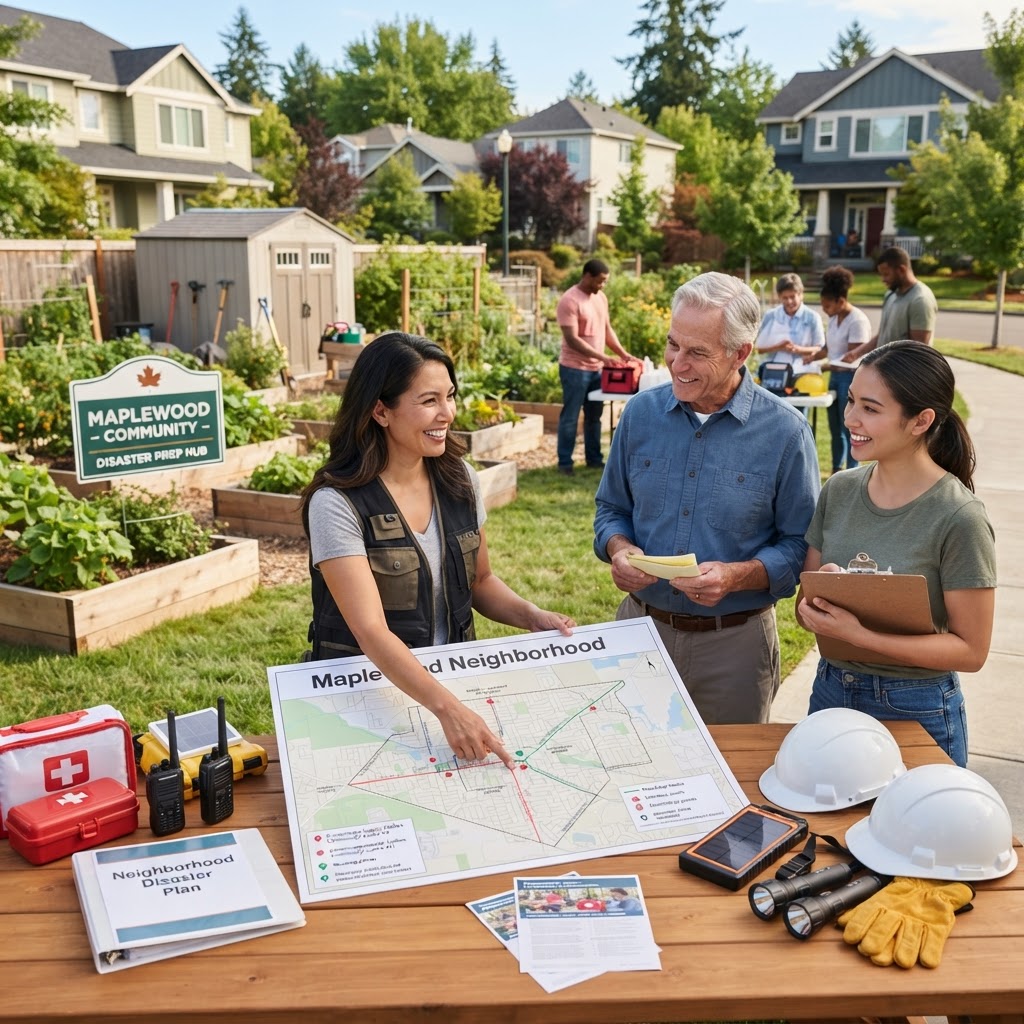
Navigating disaster management requires leveraging state support rather than operating in isolation. Across California, Cal OES and community outreach initiatives such as Ready California run regional summits and supply actionable toolkits, connecting residents with localized mutual-aid networks and verified emergency protocols.
Additionally, homeowners can align their mitigation investments with state-backed mechanisms, including the California Enhanced State Hazard Mitigation Plan (SHMP) and local Community Resilience Centers (CRC). By syncing parcel upgrades with public grant cycles and local fire district guidelines, owners can access cost-share opportunities for home hardening while preserving property insurability.
Actionable Preparedness: Practical Takeaways for Homeowners
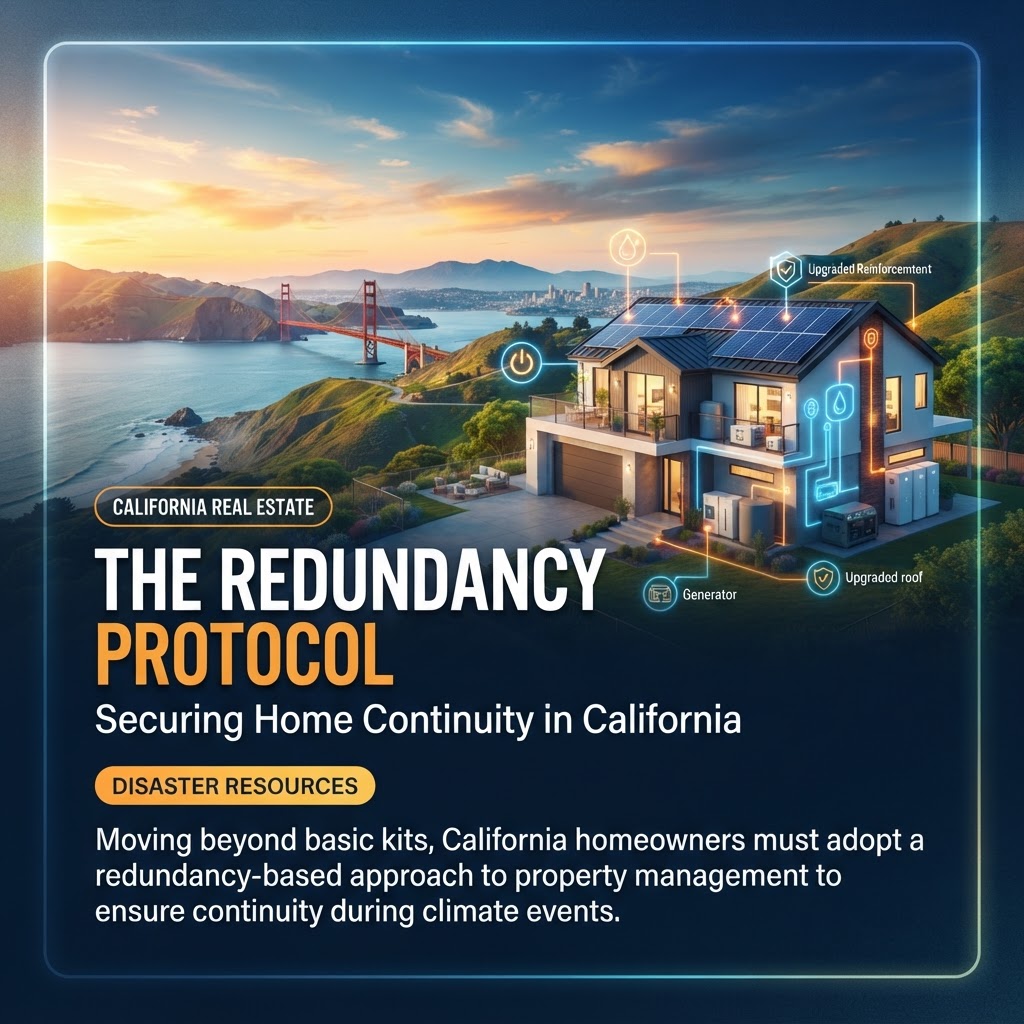
- Formalize the 14-Day Continuity Protocol: Cal OES emergency guidelines recommend maintaining an off-grid readiness kit with two weeks of potable water and non-perishable sustenance, critical power bank backups, and manual utility shut-off tools.
- Calibrate Utility Interruption Controls: Every resident in the household should be trained on the physical locations and shut-off procedures for primary gas, main water, and breaker lines. Seismic automatic shut-off valves for gas supply lines should be inspected annually.
- Audit the Policy Dossier Annually: Verify that your coverage mirrors current replacement and rebuilding costs rather than historical assessments. Keep digitized, cloud-stored copies of title deeds, policy riders, and an itemized visual inventory of high-value structural improvements.
- Integrate Real-Time Regional Alert Channels: Register with county-level emergency alert networks and monitor updates through programs coordinated by Cal OES and regional Ready California summit initiatives.