Beyond the Go-Bag: The Shift to Administrative Preparedness
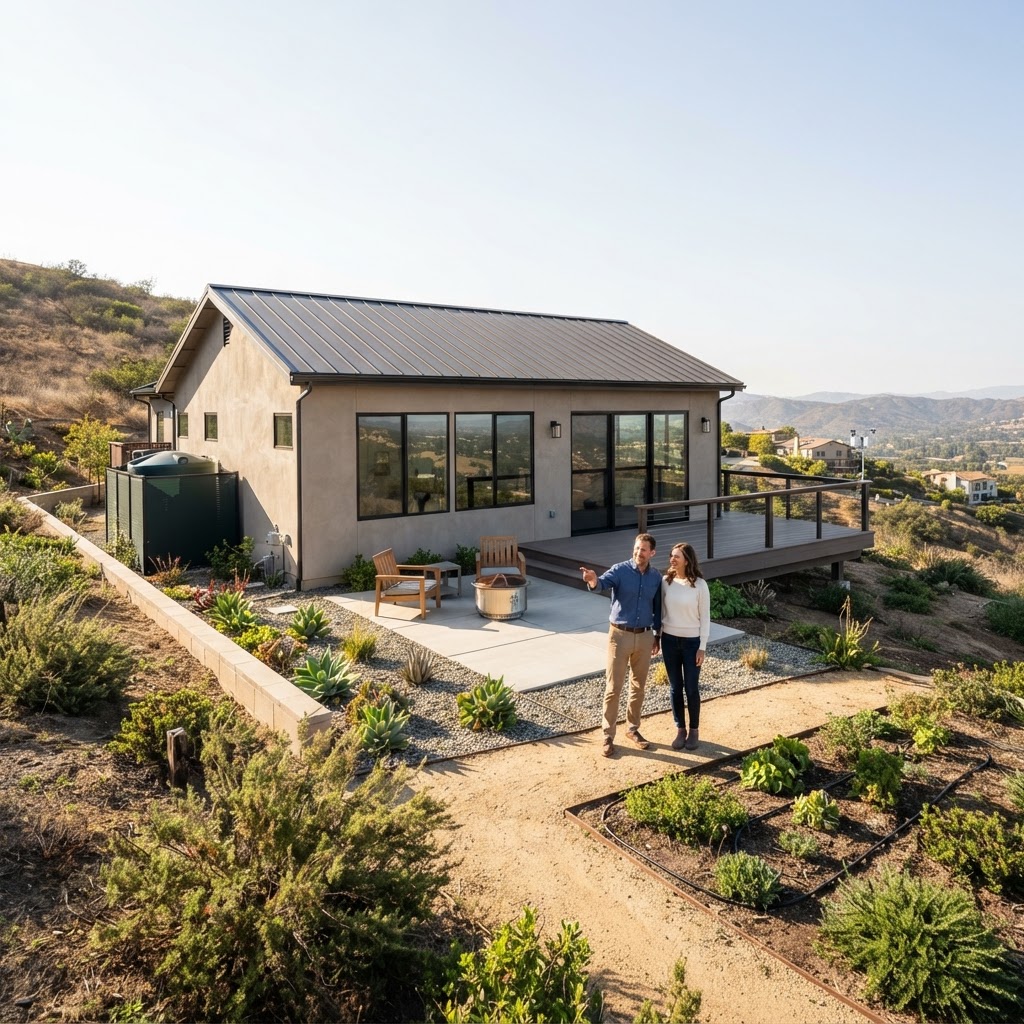
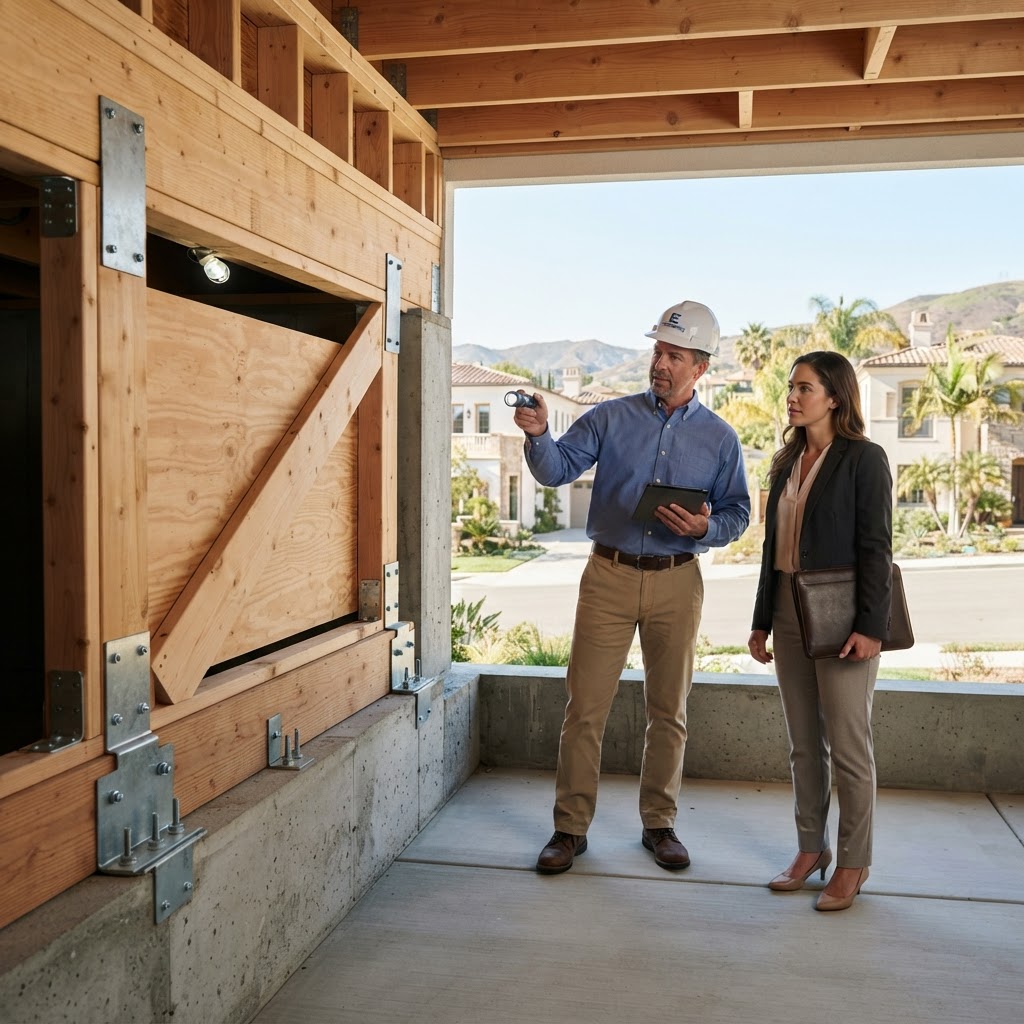
As of late 2026, California homeowners have transitioned from a mindset of occasional disaster response to one of permanent operational readiness. While physical home hardening and grid autonomy have become standard market expectations, a critical gap remains in administrative resilience. According to recent data from the National Association of Realtors (NAR), homeowners who maintain a high-fidelity digital asset ledger recover from catastrophic events nearly 40% faster than those relying on traditional recovery methods.
In a landscape defined by rapid-onset wildfires and atmospheric river-induced flooding, the difference between total loss and a successful rebuild often rests on the homeowner's ability to provide immediate, granular data to adjusters and relief agencies. This article outlines the logistical frameworks necessary to navigate California’s modern disaster environment.
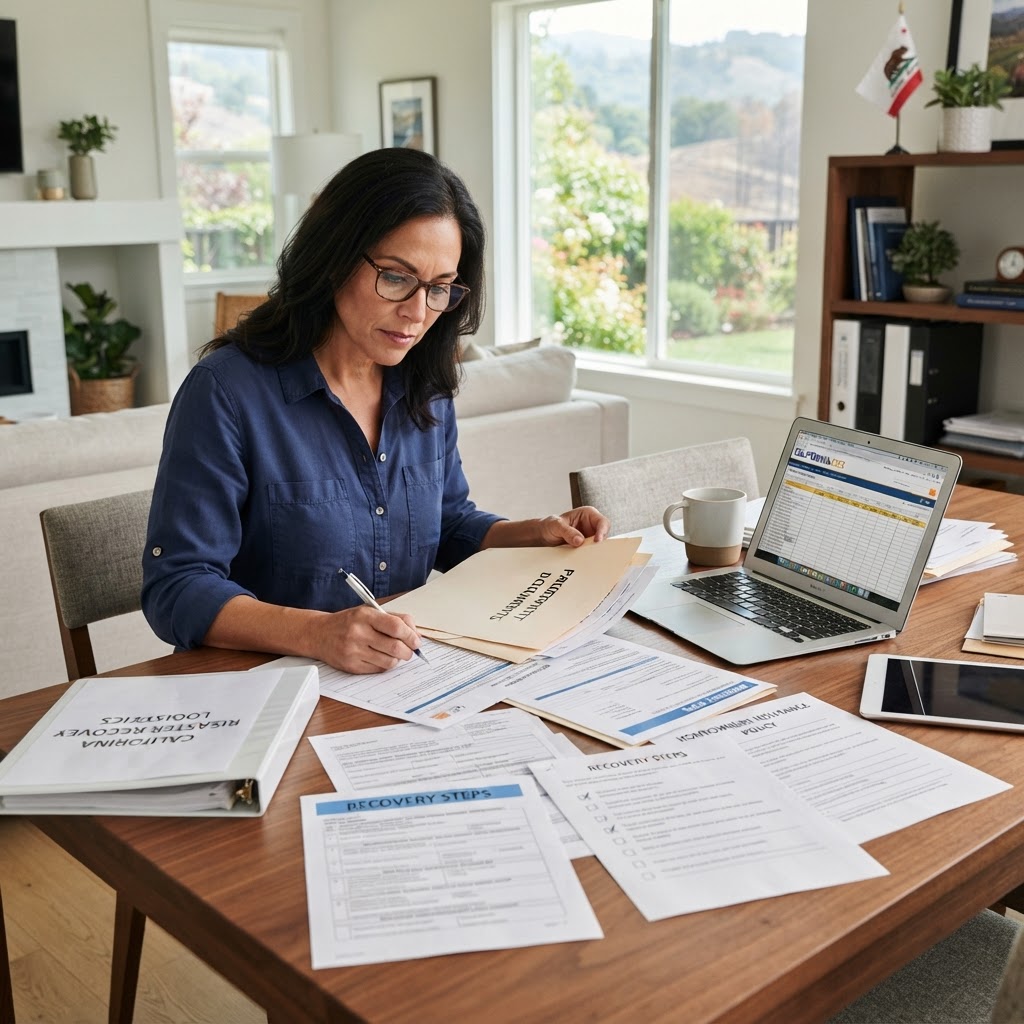
The Digital Vault: Claim Solvency in the 2026 Market
Insurance carriers in the 2026 California market have increasingly moved toward data-heavy underwriting. To ensure maximum payout under current California Fair Plan or private market surplus line policies, documentation must be proactive, not reactive. The Bureau of Economic Analysis (BEA) notes that the complexity of claims in high-risk zones has increased by 22% over the last two years due to rising material costs and labor shortages.
Practical Takeaway: The 3D Property Scan
- Annual Digital Audits: Utilize LiDAR-based smartphone apps to create a 3D walkthrough of your home annually. This serves as indisputable proof of property condition and contents.
- Cloud-Synchronized Documentation: Store deeds, insurance endorsements, and receipts for home improvements in a Tier-4 secure cloud server. Relying on physical documents in a fire zone is a systemic risk.
- Verification of Scheduled Personal Property: Ensure high-value items (jewelry, art, tech) are individually scheduled with updated 2026 appraisals to avoid the limitations of standard personal property caps.
Mobility Logistics: The Five-Minute Evacuation Protocol
The 2026 wildfire season has highlighted a shift in evacuation dynamics. The California Department of Forestry and Fire Protection (CAL FIRE) reports that 'warning-to-impact' windows have shortened in urban-wildland interface (WUI) zones. For the modern homeowner, readiness is measured in minutes, not hours.
Real estate investors and homeowners alike are now prioritizing 'Logistical Flow'—the ability to clear a property of high-value portable assets and occupants with zero friction. This administrative readiness includes pre-defined staging areas and clear communication chains that operate independently of local cellular networks, which frequently fail during peak disaster events.
Insurance Endorsement Management
Standard homeowners insurance is rarely sufficient in the current California climate. Investors should look specifically for 'Extended Replacement Cost' endorsements, which can provide a buffer of 25% to 50% above the dwelling limit to account for the 'surge pricing' of labor and materials that follows a regional disaster.
Census data indicates that 18% of California homeowners in high-risk tracts are currently underinsured for the actual cost of a 2026 rebuild. Homeowners must conduct a quarterly review of their 'Loss of Use' coverage to ensure it covers at least 24 months of displacement, given the current construction velocity constraints in the state.
The Neighborhood Resilience Interface
Finally, preparedness has moved beyond the property line. The 2026 market values homes within 'Firewise USA' designated sites at a premium. These communities participate in collective administrative efforts, such as shared brush-clearing contracts and synchronized emergency alert systems. From a real estate perspective, buying into a 'Resilience-Certified' HOA or neighborhood is no longer an amenity—it is a risk-mitigation strategy that protects the long-term valuation of the asset.
Strategic Checklist for the 2026 Homeowner:
- Update the 'P-5' Kit: People, Papers, Prescriptions, Pictures, and Personal Computer.
- Review Ordnance or Law Coverage: Ensure your policy covers the cost of rebuilding to the newest 2026 California building codes, which are significantly more stringent than those of a decade ago.
- Verify Remote Access: Ensure all smart-home resilience systems (automated shutters, sprinkler overrides) are accessible via satellite-link if terrestrial internet fails.