The Fire-Flood Cycle: A New Reality for California Real Estate
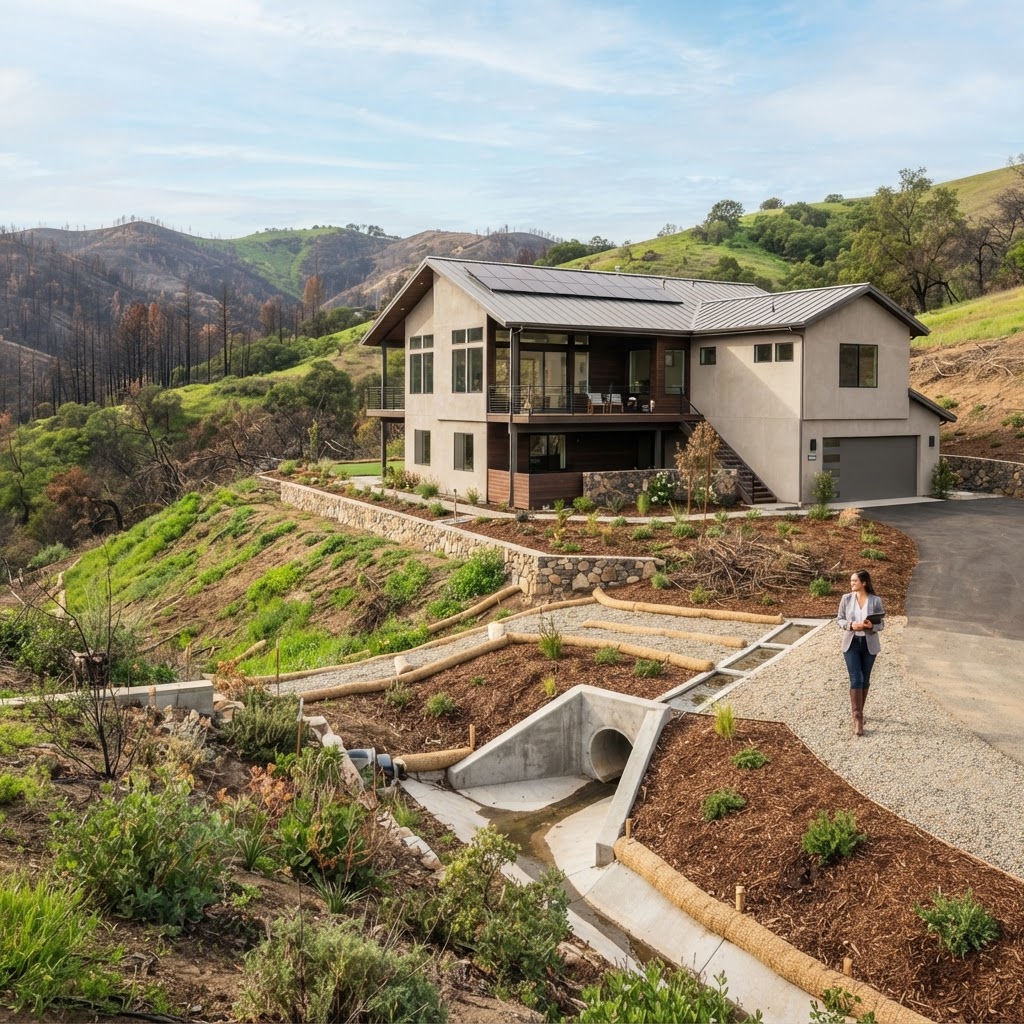
For the past decade, California’s disaster preparedness discourse has been dominated by wildfire mitigation. However, entering the 2026 winter season, a new pattern has emerged: the fire-flood cycle. This phenomenon, where scorched earth becomes hydrophobic and prone to catastrophic debris flows during atmospheric river events, is redefining risk for homeowners. According to the California Department of Water Resources, 2025 saw a 30% increase in localized flooding incidents in areas previously classified as low-risk, largely due to post-fire soil degradation.
For homeowners and investors, preparedness now requires a dual-lens approach. It is no longer enough to harden a home against embers; one must also secure it against the sheer volume of water and sediment that follows a record-breaking dry season.
The Insurance Lacuna: Bridging the Flood Gap
One of the most significant risks in the current market is the "insurance lacuna." While many homeowners have moved to the California FAIR Plan for fire coverage, these policies explicitly exclude flood damage. Data from the National Flood Insurance Program (NFIP) indicates that while nearly 25% of all flood insurance claims now come from outside designated high-risk flood zones, only about 10-12% of California homeowners carry supplemental flood insurance.
The financial impact is stark. A single inch of water can cause upwards of $25,000 in damage to a 2,000-square-foot home. In the 2026 market, properties without active flood endorsements are seeing longer days-on-market as savvy buyers demand proof of comprehensive peril coverage. Investors should prioritize properties that have already secured private flood riders, which often offer higher limits than the NFIP’s $250,000 cap on structures.
Practical Takeaways for Resilience
1. The Drainage Audit
Before the peak of the winter storm season, homeowners should conduct a professional drainage audit. This goes beyond cleaning gutters. A 2026 study by the Insurance Institute for Business & Home Safety (IBHS) found that homes with integrated bioswales and French drains reduced their risk of foundation-related water damage by 45%. Ensuring that water is directed at least 10 feet away from the foundation is a low-cost, high-return mitigation strategy.
2. Soil Stabilization and Hydroseeding
For those living near hillsides or recent burn scars, soil stabilization is critical. The use of native, deep-rooted vegetation can act as a natural anchor. In areas where fire has recently stripped the landscape, hydroseeding with native grasses—a practice increasingly recommended by the USDA—can prevent topsoil loss and the subsequent mudslides that often follow heavy rains.
3. Strategic Elevation of Critical Systems
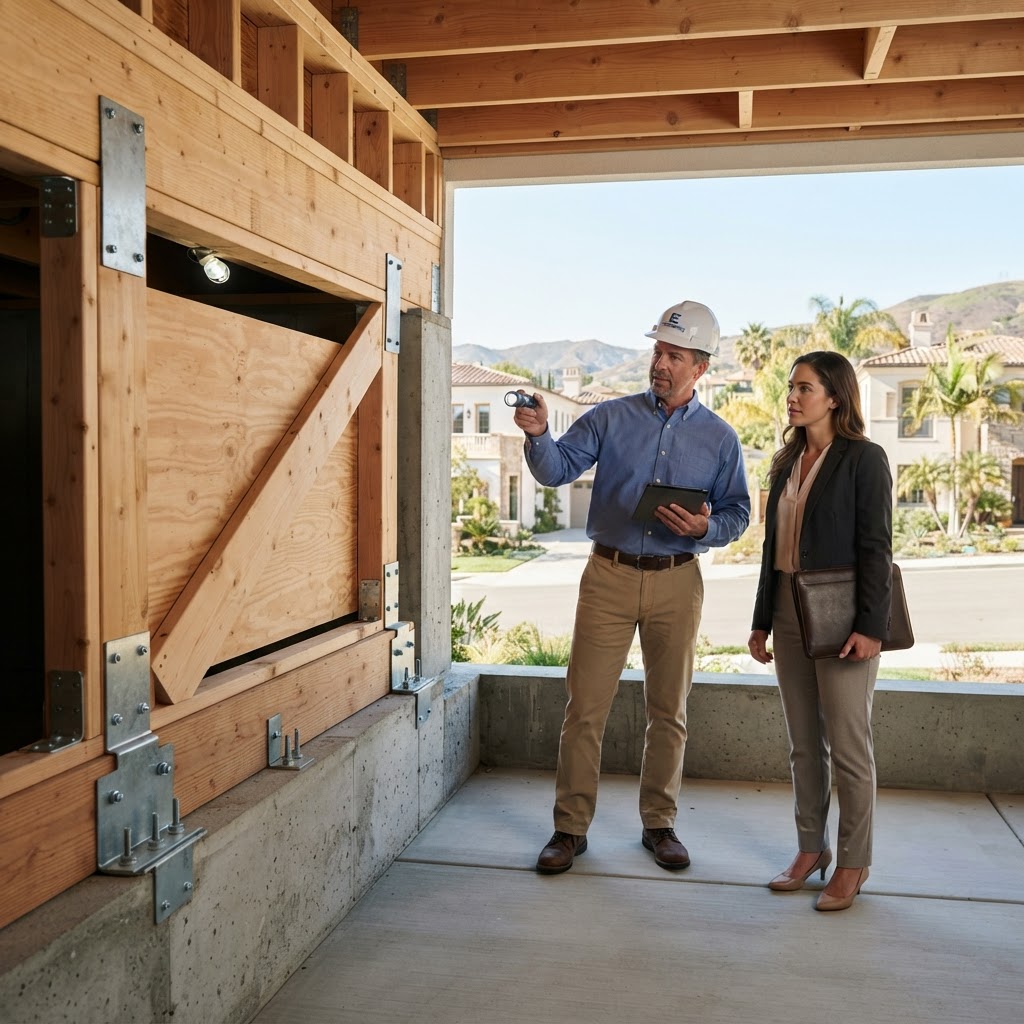
Modern resilience requires moving mechanical systems out of harm's way. Elevating HVAC units, water heaters, and electrical panels at least 12 inches above the Base Flood Elevation (BFE) is becoming a standard recommendation for California retrofits. This not only protects the home’s functionality during a storm but can also lead to significant reductions in private flood insurance premiums.
The Investor’s Perspective: Permeability as an Asset
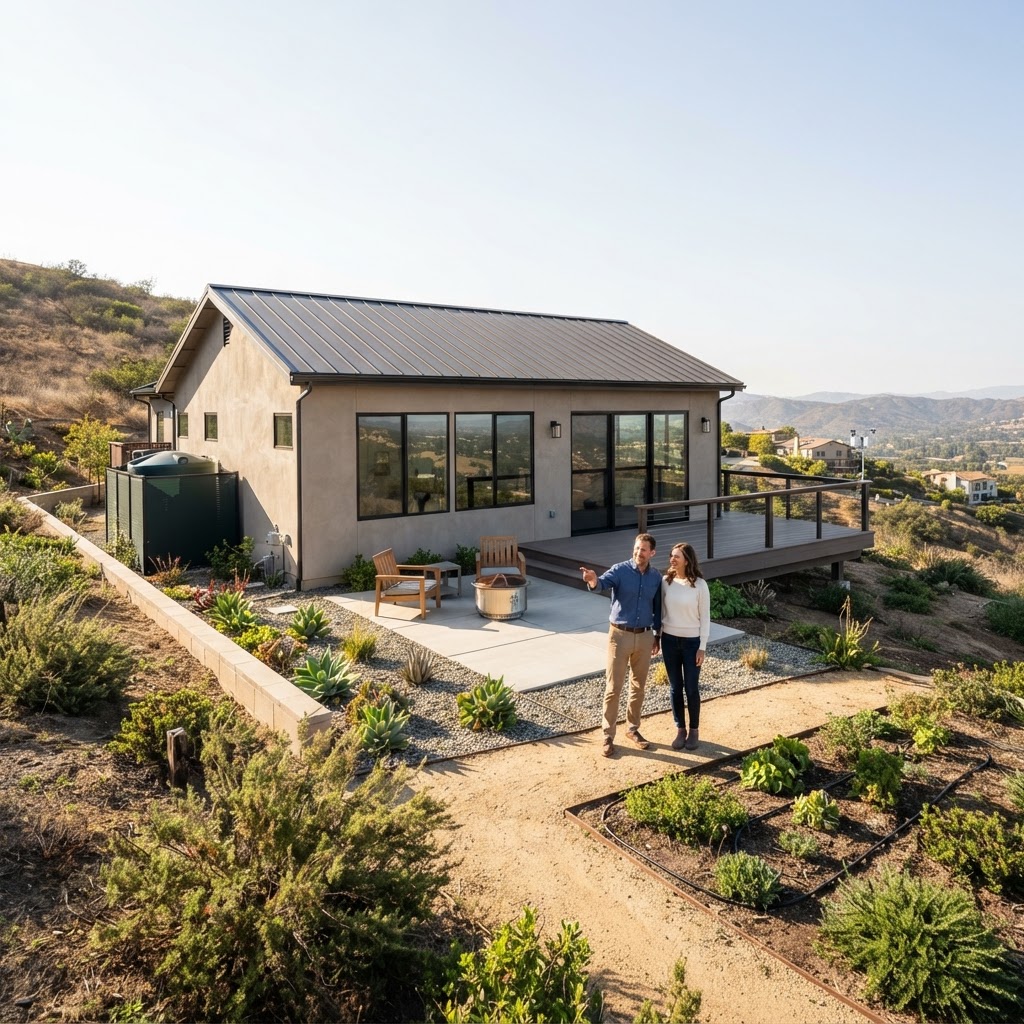
In the 2026 landscape, "permeability" is becoming a buzzword in real estate valuation. Properties with excessive hardscaping (concrete and asphalt) are increasingly viewed as liabilities because they contribute to runoff and localized flooding. Conversely, homes featuring permeable pavers and sustainable water catchment systems are fetching a premium. According to recent MLS data, homes marketed with "climate-resilient landscaping" are seeing a 4% higher closing price in coastal and foothill regions compared to their traditional counterparts.
Emergency Resources and Real-Time Monitoring
Effective preparedness relies on information. The California Office of Emergency Services (Cal OES) has expanded its 2026 toolkit to include high-resolution inundation maps that update in real-time during storm events. Homeowners should not only sign up for Wireless Emergency Alerts (WEA) but also monitor the USGS Post-Fire Debris Flow Hazard Maps, which provide specific probabilities of landslides based on recent rainfall totals.
Resilience in California is no longer a seasonal concern; it is a year-round commitment to understanding the interplay between fire, earth, and water. By addressing the hydrological risks today, homeowners can protect their equity and ensure their safety in an era of climate volatility.