The Shift from Reactive to Proactive Defense
As of August 2026, the California real estate landscape has moved beyond the era of reactive disaster management. For homeowners, the conversation has shifted from 'if' a disaster will occur to 'how well' the structure is engineered to withstand it. With the California Department of Insurance now strictly tying premium discounts to the "Safer from Wildfires" framework, physical resilience is no longer an optional upgrade—it is a baseline requirement for habitability and marketability.
Preparing a California home today requires a three-pronged strategy: structural hardening, seismic stabilization, and atmospheric river mitigation. According to data from the Insurance Institute for Business & Home Safety (IBHS), homes built or retrofitted to "Wildfire Prepared Home™" standards are up to 40% less likely to be destroyed by wind-driven embers, which account for nearly 90% of home ignitions during wildfires.
The Multi-Hazard Hardening Mandate
Wildfire: The 5-Foot Non-Combustible Zone
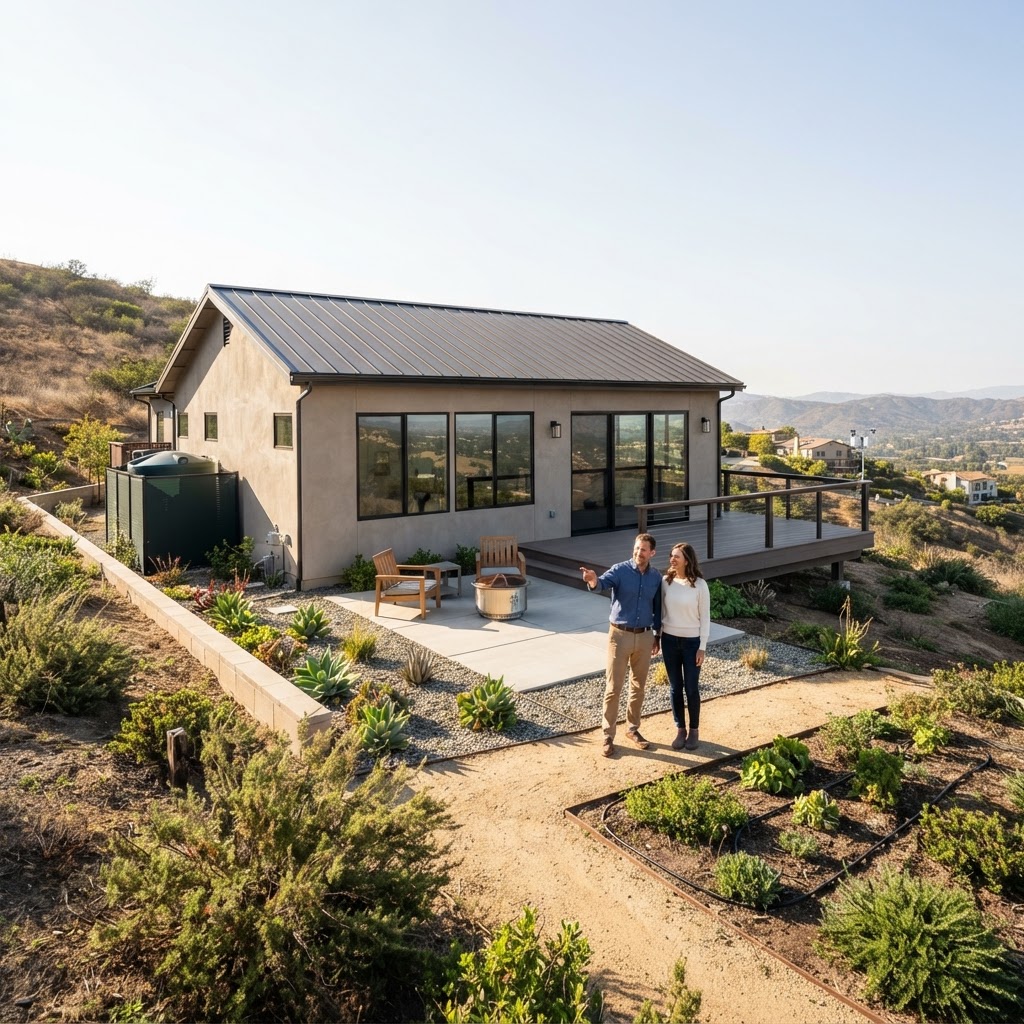
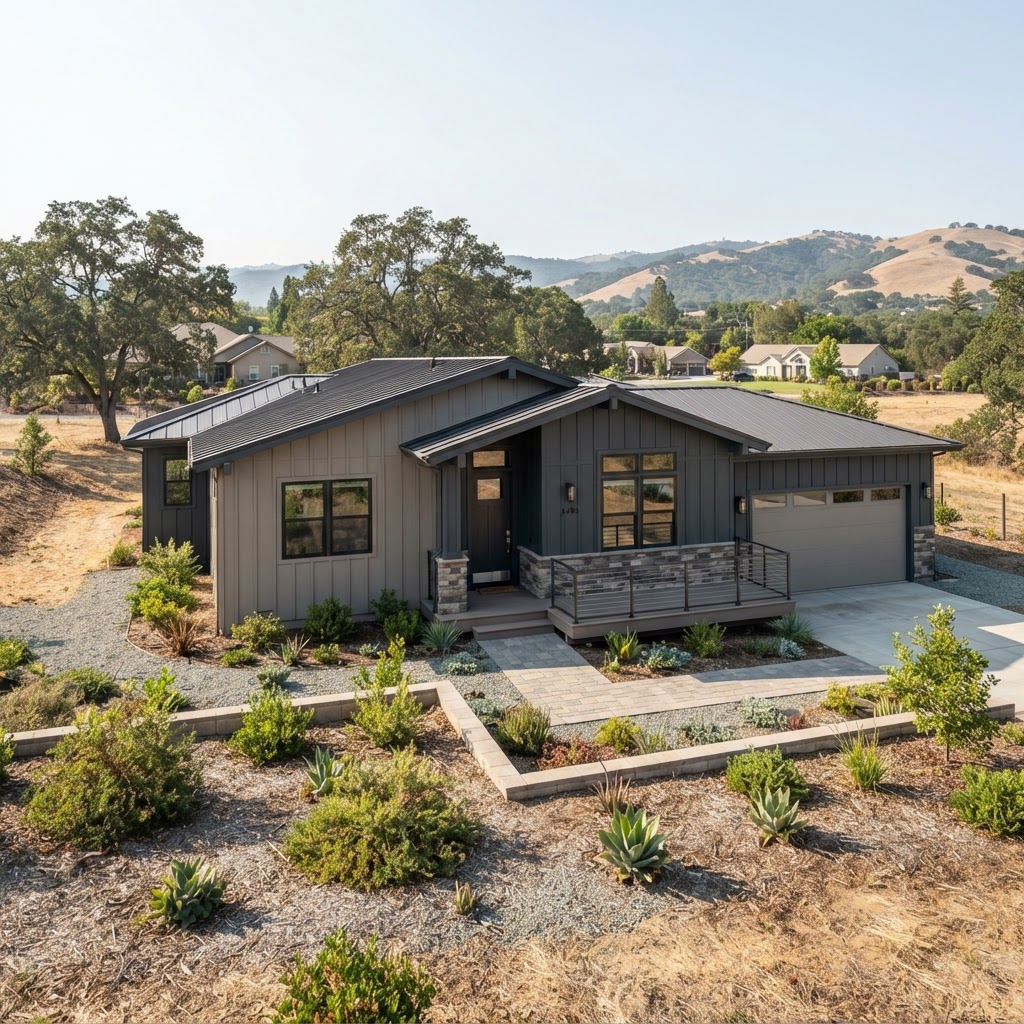
The most significant shift in wildfire preparedness is the focus on "Zone 0." Current California building standards and the latest fire science emphasize the five-foot perimeter around the home. Replacing wood mulch with gravel and removing overhanging branches are no longer just suggestions; they are often prerequisites for policy renewals. Homeowners should prioritize:
- Vulnerability Sealing: Installing 1/8-inch ember-resistant mesh over attic and crawlspace vents.
- Glazing Upgrades: Transitioning to multi-paned tempered glass to prevent thermal fracture.
- Gutter Defense: Integrating non-combustible gutter guards to eliminate the accumulation of dry fuel against the roofline.
Seismic: The Retrofit ROI
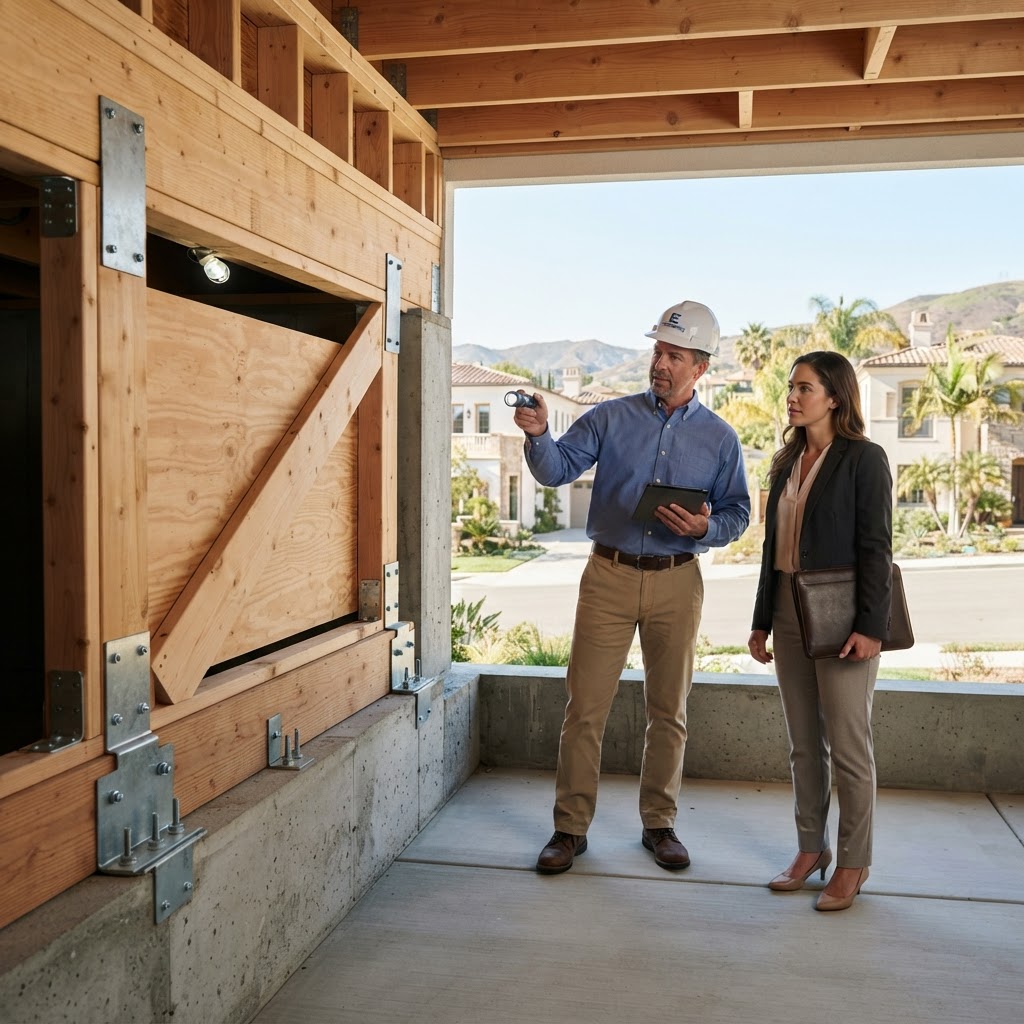
While wildfires dominate the news cycle, the seismic risk remains a constant underlying threat. The California Earthquake Authority (CEA) estimates that over 1.2 million homes in high-seismic zones are "soft-story" or "raised-foundation" structures built before 1980 that remain unretrofitted. In 2026, the data suggests that a standard $5,000 to $10,000 seismic retrofit (bolting the house to its foundation) can prevent hundreds of thousands of dollars in structural shifting during a major event, often paying for itself through reduced earthquake insurance premiums over a 10-year horizon.
Navigating the 2026 Insurance Landscape
Insurance in California has evolved into a performance-based system. To secure coverage in the voluntary market—and avoid the higher premiums of the FAIR Plan—homeowners must provide documented proof of mitigation. The "Safer from Wildfires" regulation requires insurers to provide discounts for specific actions, but the burden of proof lies with the owner.
Practical Insurance Takeaway: Maintain a digital "Hardening Log." This should include receipts for fire-resistant roofing, photos of cleared defensible space, and certificates of seismic retrofitting. When shopping for coverage or facing a non-renewal, presenting this package to underwriters can be the difference between a standard policy and a forced-place alternative.
Emergency Resources and Technological Integration
Resilience is as much about information as it is about infrastructure. The modern California homeowner must integrate with the state’s digital alert ecosystem:
- MyShake App: Developed by UC Berkeley, this provides critical seconds of warning before earthquake tremors arrive, allowing for automatic utility shut-offs if smart valves are installed.
- Cal OES (Office of Emergency Services): Homeowners should register every mobile device with the Wireless Emergency Alerts (WEA) and their specific county’s alert system (e.g., AlertLA or CodeRED).
- Local Fire Safe Councils: These community-led organizations provide localized risk assessments and often coordinate neighborhood-wide fuel reduction grants.
The Investor’s Perspective: Resilience as Liquidity
For investors and sellers, the "Hardened Standard" is now a liquidity factor. In 2026, properties that lack documented hardening are seeing longer days-on-market and higher financing hurdles, as lenders become more sensitive to the insurability of the underlying asset. A property that meets the IBHS Wildfire Prepared Home™ standard is essentially a more liquid asset than a neighboring home that does not.
Strategic Action Plan for Homeowners
- Conduct a Zone 0 Audit: Immediately clear all combustible materials within five feet of the home’s exterior.
- Verify Retrofits: If owning a pre-1980 home, hire a structural engineer to verify if the sill plate is bolted to the foundation and if cripple walls are braced.
- Secure Documentation: Request a "Hazard Mitigation Certificate" from contractors whenever resilience work is performed to present to your insurance broker.
- Automate Awareness: Link smart home systems to the MyShake API and Cal OES alerts to ensure the structure reacts (shutting off gas, closing smart shutters) even if the occupants are away.