Beyond Structural Hardening: The Rise of the Autonomous Home
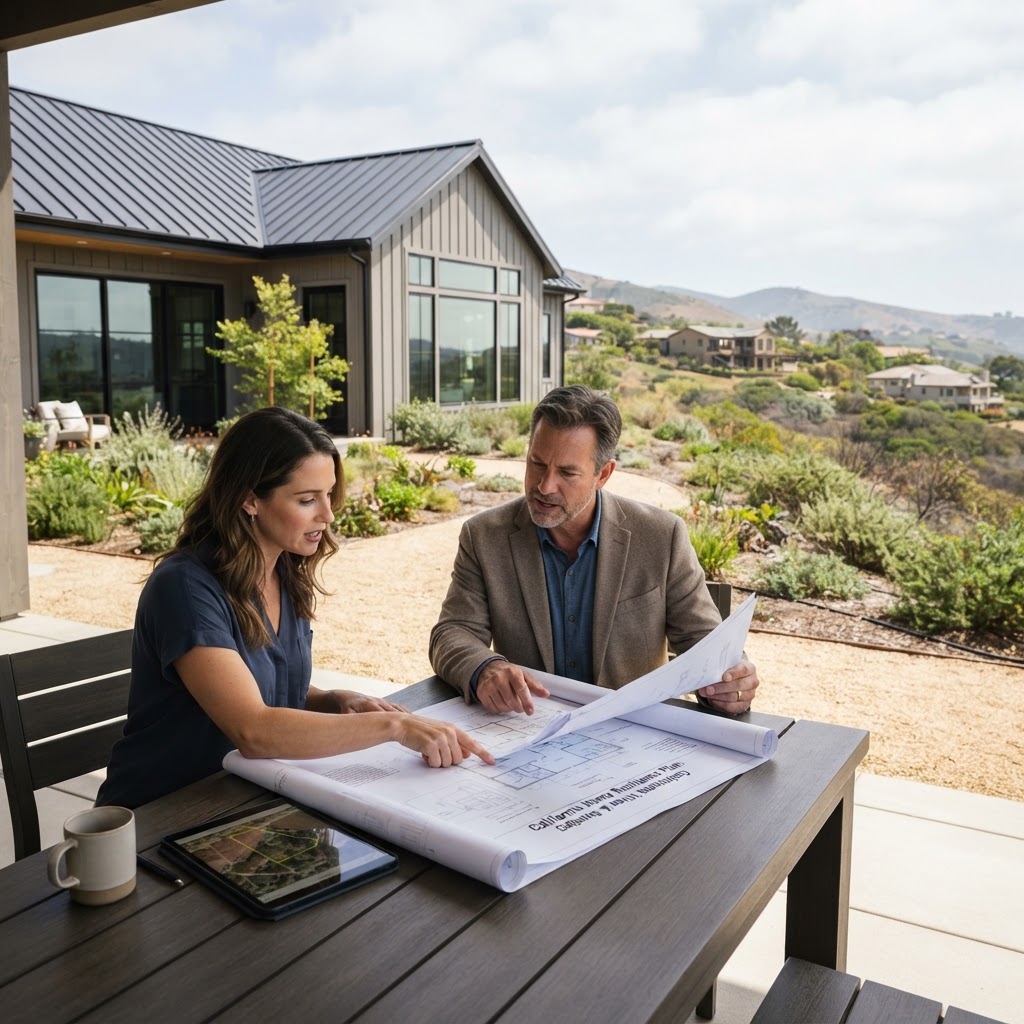
For the past decade, California homeowners have focused heavily on structural hardening—defending the home against physical threats like wildfire embers or seismic shifts. However, as we move into late 2026, a new frontier of disaster preparedness has emerged: Grid-Independent Habitability. With Public Safety Power Shutoffs (PSPS) becoming a seasonal norm and the aging water infrastructure facing increased pressure from the Hayward and San Andreas faults, the definition of a 'resilient home' has expanded from one that simply survives a disaster to one that remains functional in its aftermath.
The Three Pillars of California Utility Risk
Data from the California Public Utilities Commission (CPUC) suggests that while grid modernization is underway, the frequency of intentional and accidental outages remains a critical threat to property habitability. To navigate this, homeowners must address three specific vulnerabilities:
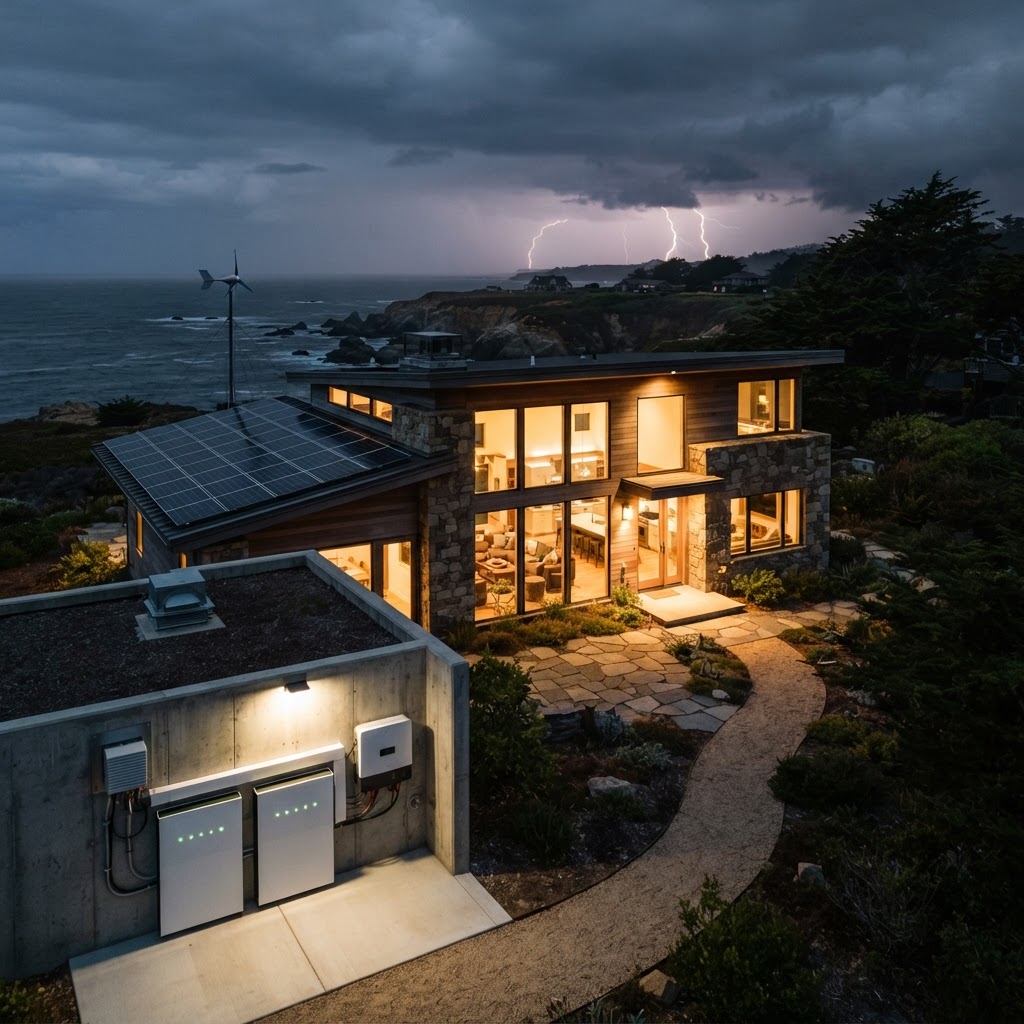
- Energy Isolation: The transition from gas to electric appliances increases reliance on the grid. Homeowners are now prioritizing 'islanding' capabilities—solar-plus-storage systems that can disconnect from the grid to power essential medical devices, refrigeration, and cooling during extreme heat events.
- Hydrologic Fragility: According to the California Department of Water Resources, a major seismic event could disrupt local water deliveries for weeks. Preparedness now involves gravity-fed storage or atmospheric water generation technology.
- Communication Blackouts: Traditional cellular infrastructure often fails during high-intensity wildfires. The integration of satellite-based redundancy (LEO satellites) is becoming a standard feature for high-end California listings.
The Shift to Parametric Insurance Solutions
While previous discussions have centered on the California FAIR Plan and general insurability, the 2026 market is seeing a rise in Parametric Insurance as a secondary layer of preparedness. Unlike traditional indemnity insurance, which requires a lengthy adjustment process, parametric policies trigger automatic payouts based on objective data points, such as a specific earthquake magnitude or fire proximity.
For the homeowner, this provides immediate liquidity to fund 'resilience operations'—such as temporary lodging or fuel for backup systems—long before a traditional claim is processed. Integrating these policies into a disaster plan ensures that the financial resources to remain in or near the home are available within 48 to 72 hours of the event.
Strategic Resilience: Data-Backed Practical Takeaways
Investors and homeowners should consider the following actionable steps to secure habitability:
1. The 14-Day Sustainability Threshold
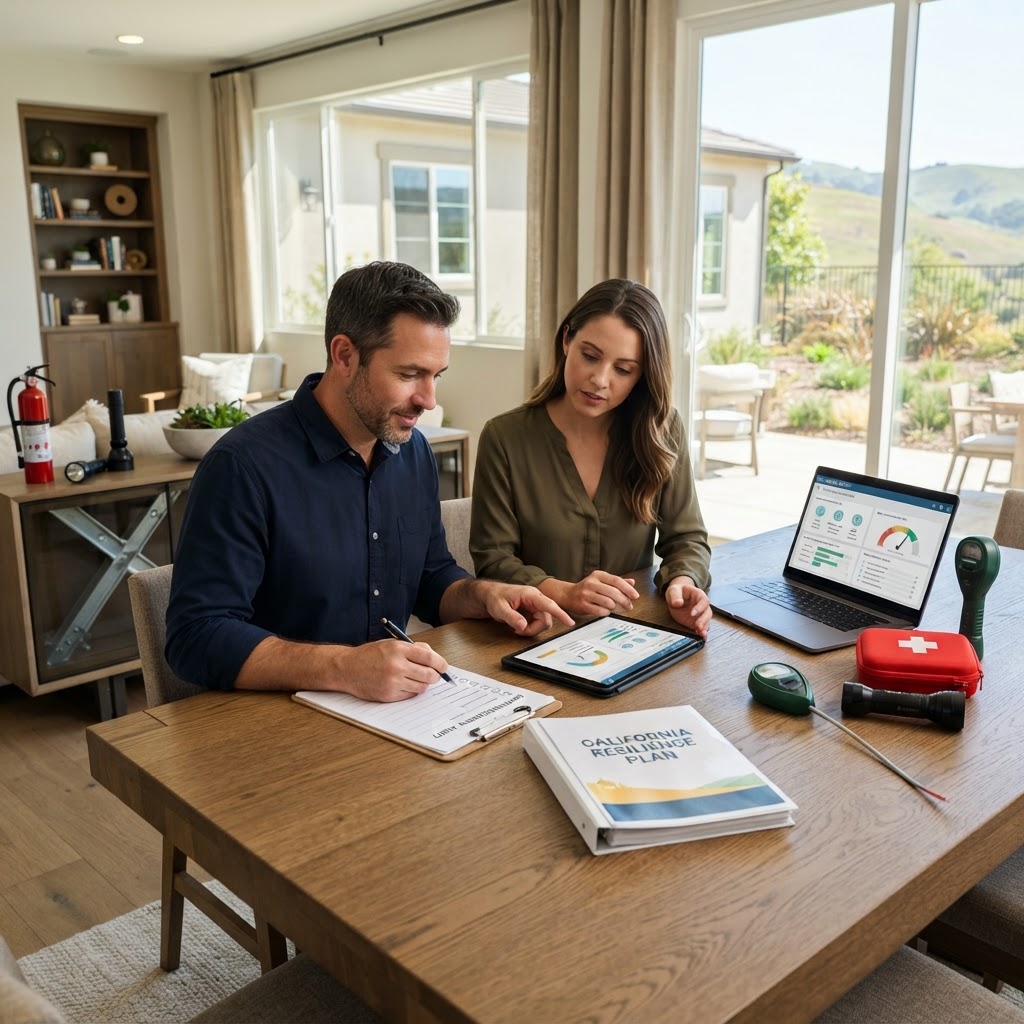
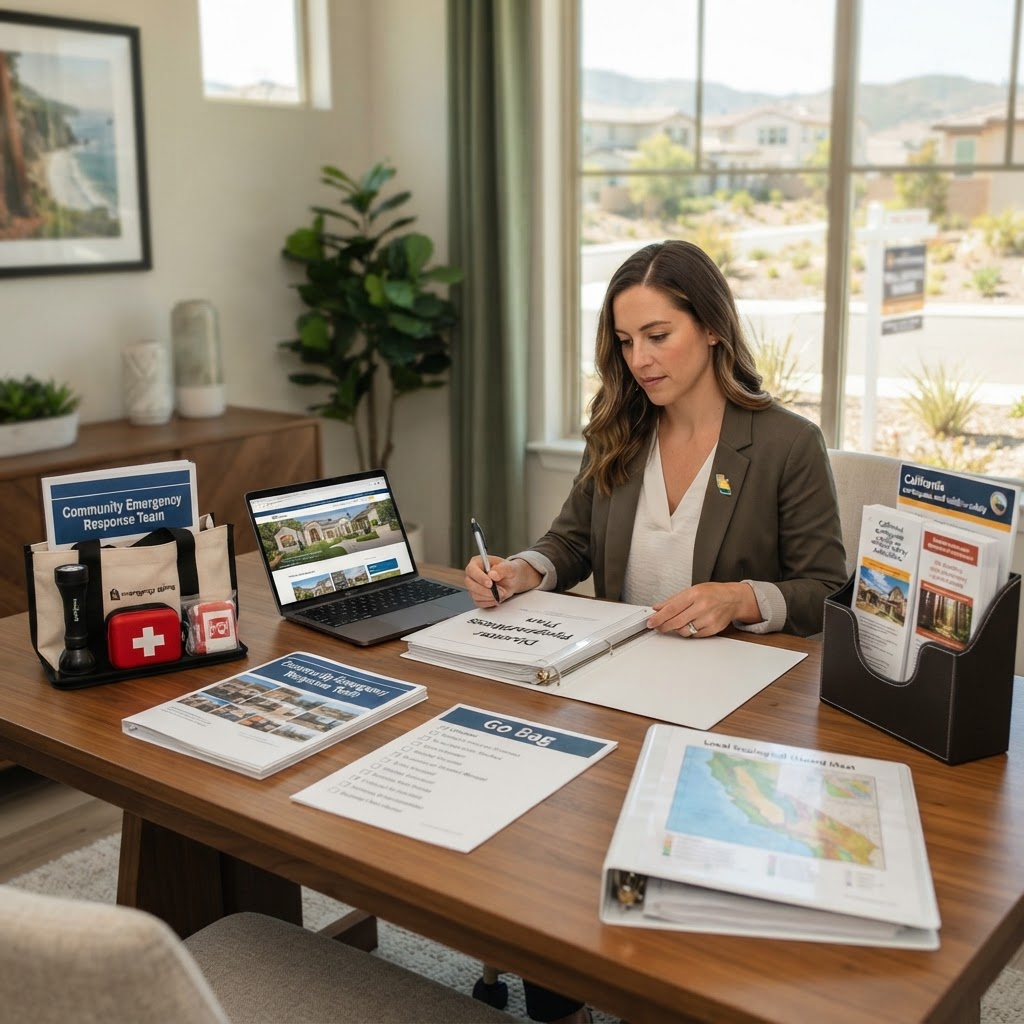
Move beyond the '72-hour kit' standard. Organizations like Cal OES now recommend a 14-day self-sufficiency period for California residents. This includes 14 gallons of water per person and localized energy reserves capable of maintaining a 'safe room' at or below 80°F during concurrent heatwaves and power outages.
2. Redundant Water Strategy
Identify the 'Primary Secondary' water source. For homeowners in high-risk seismic zones, this may mean installing a seismic shut-off valve on the main water line and maintaining a minimum 500-gallon potable storage tank, which can add approximately 0.5% to 1.5% to property value in rural-interface zones according to recent MLS trends.
3. Digital and Physical Access Continuity
Ensure that all smart home features (gates, locks, security) have physical overrides or dedicated battery backups. The National Association of Realtors (NAR) has noted that 'tech-locked' properties during disasters face higher rates of preventable damage because emergency responders or owners cannot gain entry during power failures.
Conclusion: The Functional Edge
In the California real estate market, resilience is no longer a passive state of protection; it is an active state of operational independence. By adopting the 'Islanding Protocol,' homeowners do more than protect an asset; they secure a sanctuary. As utility volatility continues to outpace infrastructure upgrades, the most prepared homeowners will be those who can maintain a standard of living when the city’s lifelines are severed.