The Shift from Single-Peril to Compound Preparedness
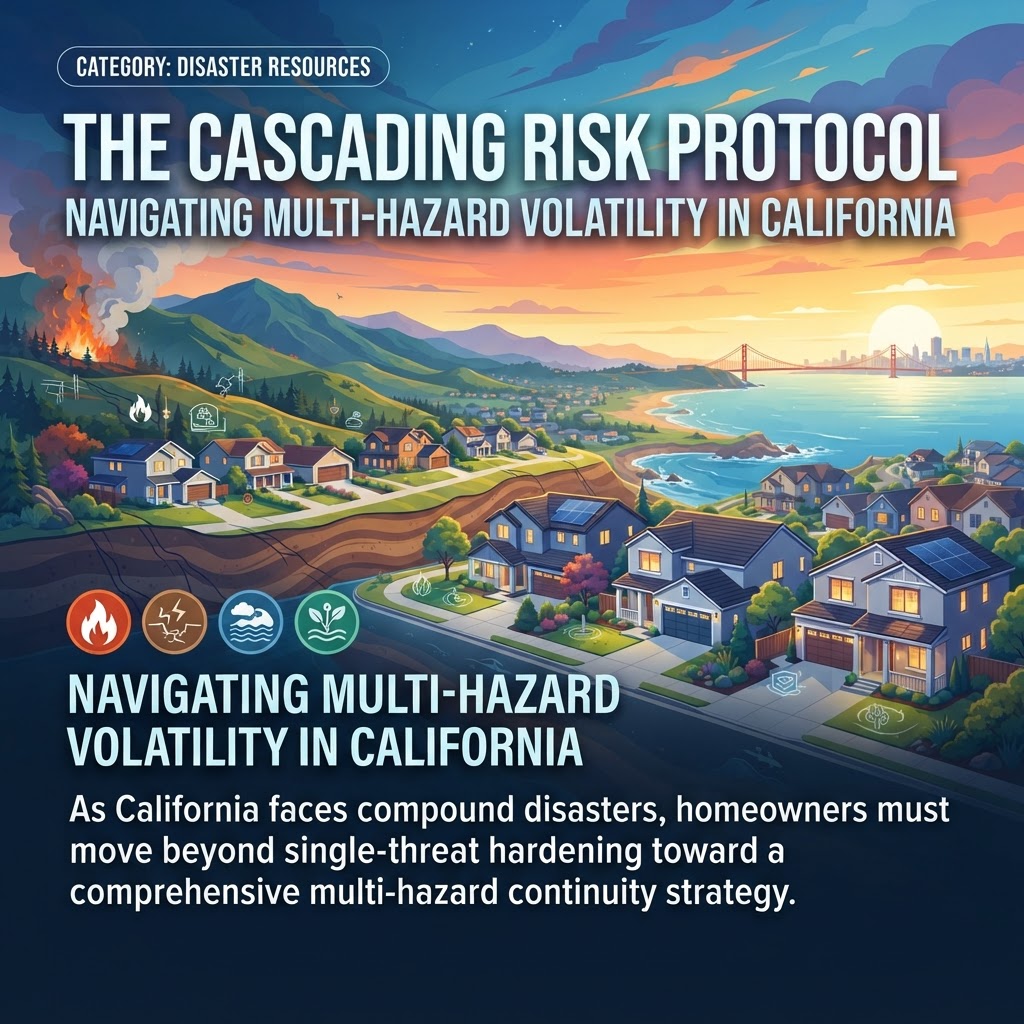
For decades, California homeowners focused on discrete threats: earthquake retrofitting in the Bay Area or defensible space in the Sierra foothills. However, as of August 2026, the risk landscape has shifted toward 'cascading disasters'—where one event triggers or exacerbates another. According to 2025 data from the California Department of Insurance, over 40% of property loss claims now involve secondary hazards, such as post-fire debris flows or urban flooding during atmospheric rivers. Traditional preparedness must evolve into a Multi-Hazard Continuity Plan.
The Multi-Hazard Vulnerability Gap
Many homeowners remain under-prepared for the sequencing of disasters. A residence hardened against wildfire remains vulnerable if the subsequent rainy season brings mudslides that block access routes, even if the structure itself is untouched. Data from the 2025 California Homeowner Survey indicates that while 70% of residents have basic emergency kits, fewer than 15% have addressed the 'Loss of Use' limitations in their policies, which often expire before long-term regional recovery is complete. This financial shortfall can be devastating in a market where post-disaster rental costs often spike by 25% or more.
Strategic Resilience: Beyond the Go-Bag
Effective preparedness in the current market requires a three-pronged approach to continuity:
- Policy Synchronization: Ensure that your homeowners policy, earthquake coverage (CEA), and flood insurance (NFIP or private) are cross-referenced. A common pitfall is the 'anti-concurrent causation' clause, which may deny coverage if a covered peril (fire) and an excluded peril (mudslide) happen simultaneously.
- Digital Asset Redundancy: With 2026 technology, physical documents are insufficient. Homeowners should maintain a blockchain-secured or encrypted cloud vault containing property deeds, a comprehensive video inventory for insurance adjusters, and essential building permits for rapid rebuilding.
- Hyper-Local Monitoring Systems: Relying on state-wide alerts is no longer enough. Integrating neighborhood-level sensors for soil moisture (landslide risk) and real-time air quality monitors provides the necessary lead time for proactive evacuation.
Practical Takeaways for Homeowners
- Audit Loss of Use Coverage: Request an 'Actual Loss Sustained' provision or increase your 'Additional Living Expenses' (ALE) limit to at least 24 months to account for current labor shortages and recovery delays.
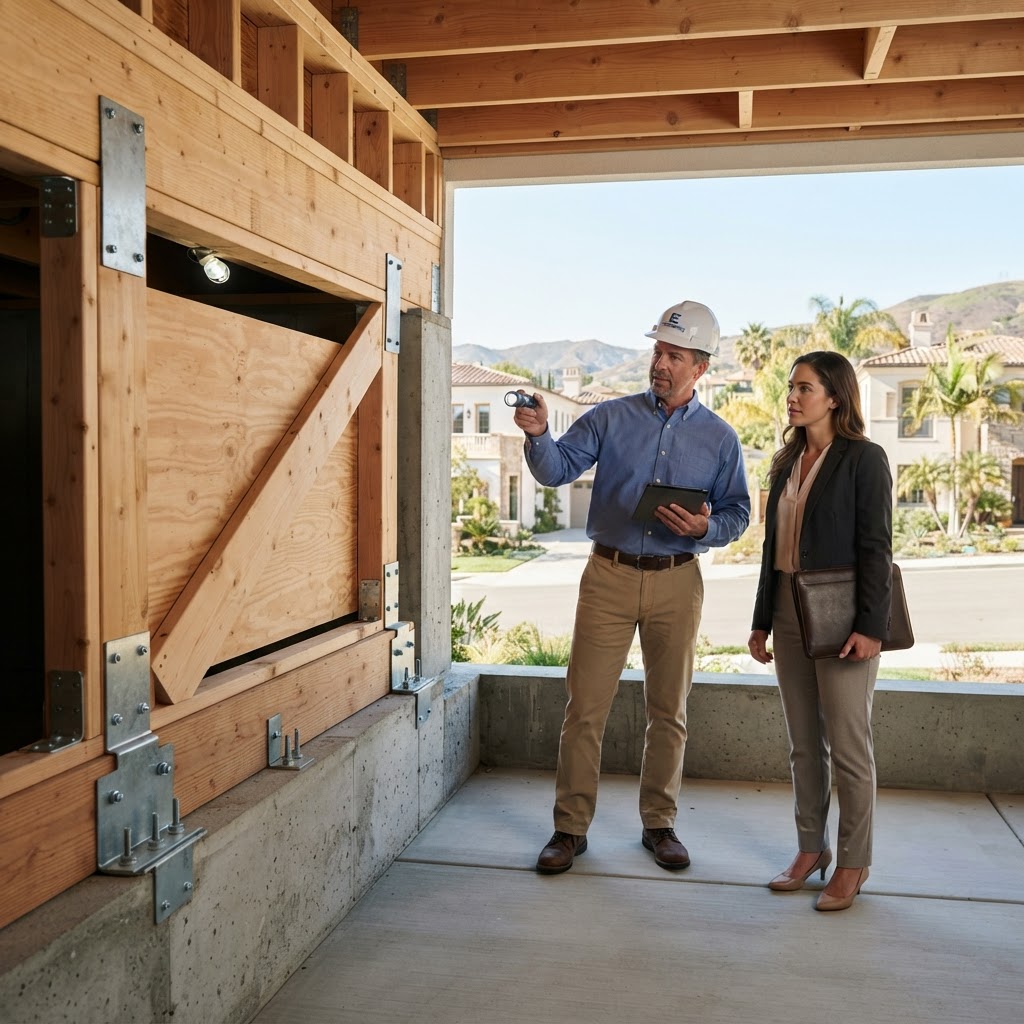
- Establish a 'Gray-Sky' Network: Pre-vet contractors and structural engineers who specialize in multi-hazard assessments. In high-demand periods, these professionals prioritize existing clients.
- Assess Access Continuity: If your primary egress is a single road through a high-risk zone, invest in secondary communications like satellite internet to maintain connectivity when terrestrial towers fail during multi-day outages.
Resilience in California is no longer a static goal but a dynamic management process. By shifting focus from surviving a single event to maintaining continuity through a sequence of hazards, homeowners can protect both their physical safety and their long-term equity.