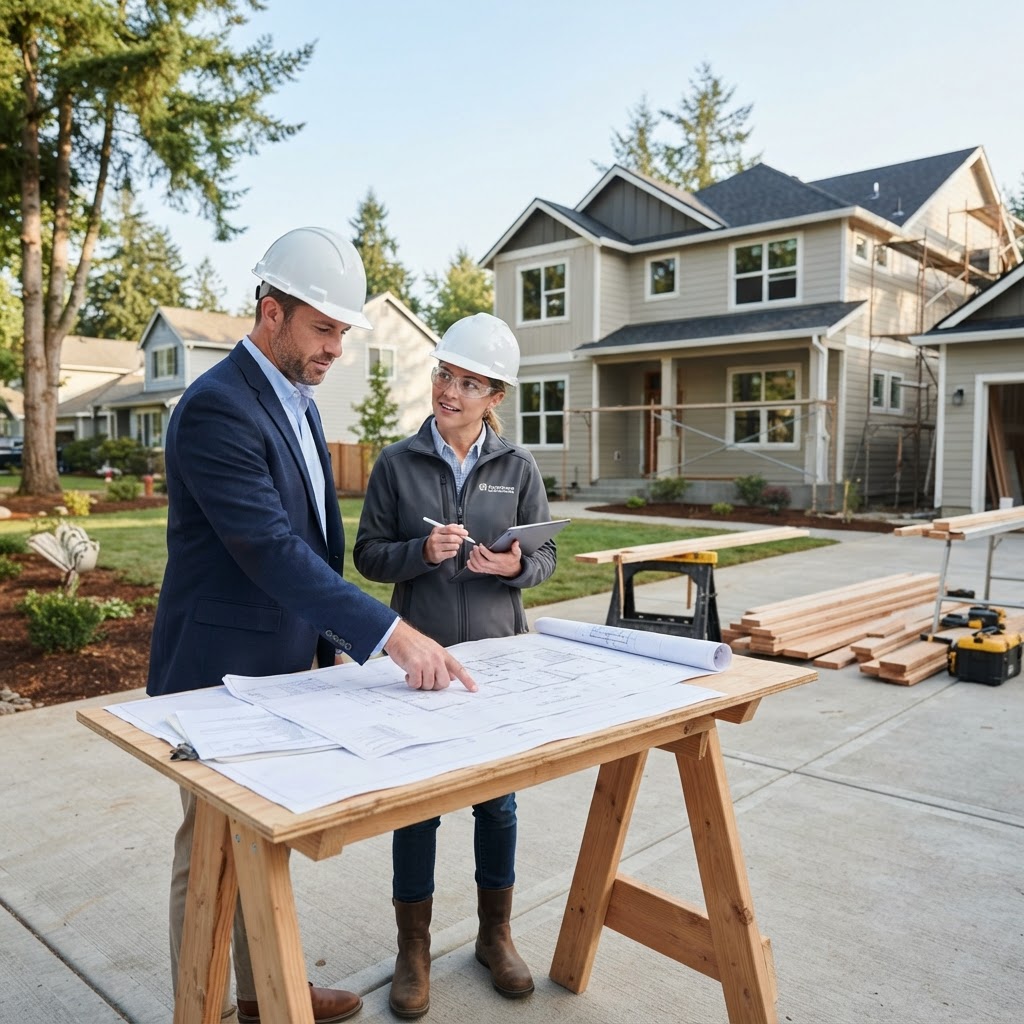
Bridging the Gap Between Survival and Restoration
For the modern California homeowner, disaster preparedness has evolved beyond the immediate 'go-bag.' While structural hardening and short-term autonomy are critical, a new challenge has emerged in the 2026 landscape: the Reconstruction Gap. Data from the California Department of Insurance (CDI) indicates that while 85% of homeowners in high-risk zones have updated their immediate emergency protocols, fewer than 15% have a codified plan for the 24-month reconstruction cycle that follows a catastrophic event.
The Surge Pricing of Recovery
In the wake of regional disasters, the localized Construction Cost Index (CCI) typically spikes by 25% to 40% within ninety days. This is driven by what economists call 'demand surge'—a simultaneous rush for specialized labor and materials that outstrips regional supply. According to recent 2026 labor statistics, California faces a 200,000-person deficit in skilled trades specifically certified for wildfire-resilient construction (Chapter 7A compliance). For homeowners, this means that even with a total-loss payout, the actual cost to rebuild to current 2026 California Building Standards Code (Title 24) may exceed 2023-era policy limits by significant margins.
Navigating the Regulatory Reconstruction Landscape
Rebuilding in California is no longer a matter of replacing like-for-like. Under recent legislative updates, any reconstruction following a declared disaster must adhere to the latest mandatory resilience standards, which often include non-combustible siding, specialized ember-resistant ventilation, and upgraded micro-grid capabilities. These requirements, while increasing long-term property value, add layers of complexity to the permitting process. FEMA’s 2025 Recovery Audit found that homeowners who lacked pre-vetted architectural plans or 'modular-ready' site assessments faced an average delay of 14 months before breaking ground.
The Supply Chain of Resilience
In the current market, the procurement of disaster-resilient materials—such as reinforced glulam beams or ultra-high-performance concrete (UHPC)—has seen lead times extend to six months. Homeowners are increasingly turning to 'Pre-Disaster Procurement Agreements' with local contractors or utilizing specialized 'Recovery Savings Accounts' (RSAs) to bridge the gap between insurance disbursements and contractor mobilization fees.
Strategic Takeaways for the Proactive Homeowner
- Audit for 'Extended Replacement Cost' Coverage: Ensure your policy includes a 'law and ordinance' endorsement of at least 25% to cover the costs of rebuilding to 2026-compliant codes, which are significantly more stringent than older iterations.
- Maintain a 'Digital Twin' of Assets: Beyond standard photos, utilize 3D spatial scanning (Matterport or similar) to create a high-fidelity record of the property. This data is now being accepted by major adjusters to expedite claims by up to 30%.
- Pre-Identify 'Resilience-Certified' Contractors: Build relationships with firms that specialize in WUI (Wildland-Urban Interface) construction. Having a pre-existing relationship can move you to the top of the queue during a regional surge.
- Assess Municipal Infrastructure Vulnerability: Resilience isn't just your lot; it’s the road to it. Investigate your municipality’s 'Recovery Priority Map' to understand how quickly utility and debris removal services will reach your specific micro-market.
As we move through 2026, the definition of a 'prepared' homeowner is shifting from one who can survive the storm to one who can navigate the complex, multi-year economic landscape that follows it. Recovery is not a return to the past, but a logistical pivot toward a more resilient future.


