The Valuation Shift: From Aesthetic Appeal to Structural Integrity
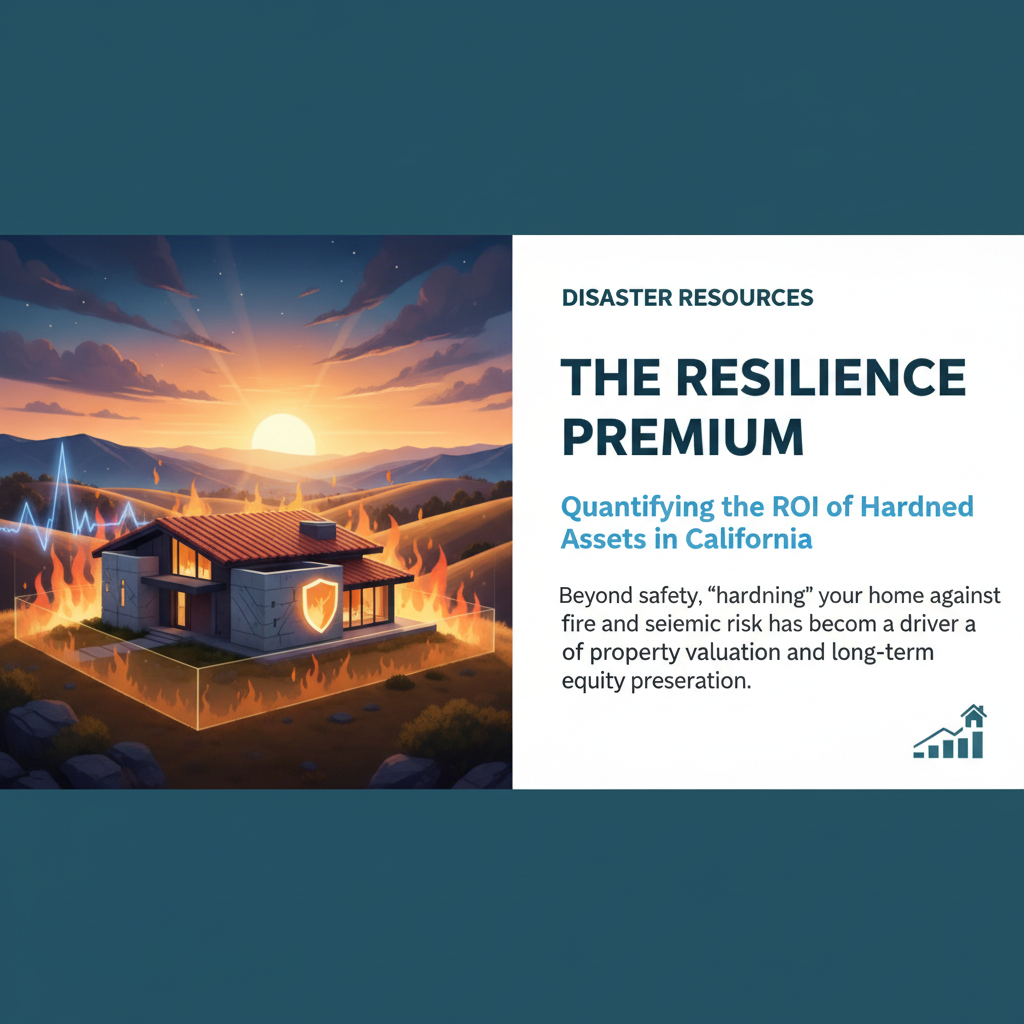
In the California real estate market of mid-2026, the traditional 'curb appeal' metrics—lush lawns and designer finishes—are being rapidly superseded by a more critical metric: the Resilience Premium. As the state grapples with increasingly volatile climate cycles, homeowners and investors are discovering that disaster preparedness is no longer just a safety precaution; it is a fundamental pillar of asset valuation. Data from the 2025 California Association of Realtors (C.A.R.) Year-End Report indicates that 'hardened' homes—those with documented fire-resistant materials and seismic retrofitting—sold at a 7-12% premium compared to non-retrofitted counterparts in similar zip codes.
The WUI Standard: Ember-Resistant Construction as a Necessity
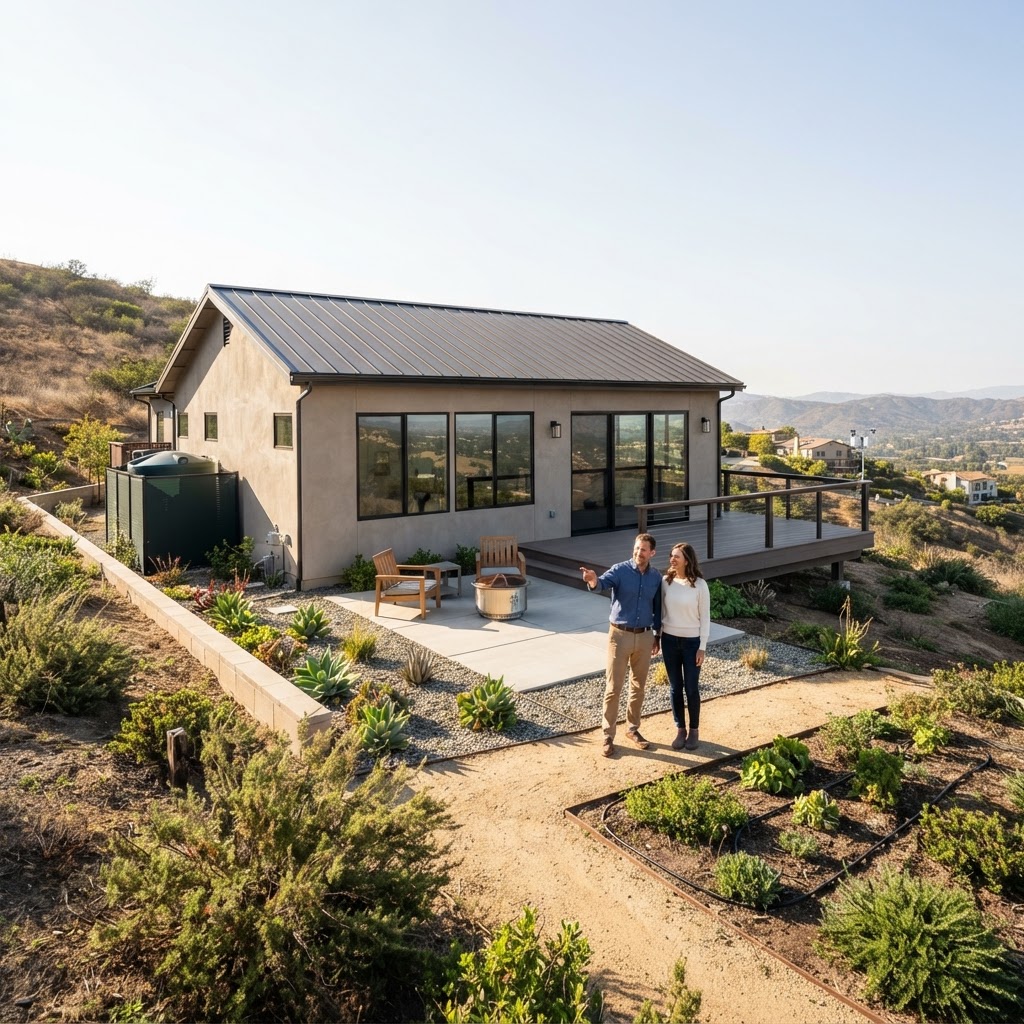
For homes located in the Wildland-Urban Interface (WUI), the standard for preparedness has evolved. While basic defensible space (clearing brush) is a legal requirement under Public Resources Code 4291, sophisticated investors are looking toward 'Type 1' and 'Type 2' hardening measures. According to CAL FIRE’s 2026 Building Material Assessment, approximately 90% of home losses during wind-driven fire events occur due to ember ignition rather than direct flame contact.
- Vents and Openings: Replacing standard mesh vents with flame- and ember-resistant vents (complying with ASTM E2886) is now a top-tier recommendation for maintaining property insurability.
- Roofing and Siding: The transition to Class A fire-rated roofing, such as metal, concrete tile, or high-end asphalt shingles, has become an expected standard in high-risk zones like the Sierra Foothills and the Santa Monica Mountains.
- Glazing: Multi-pane tempered glass is no longer an upgrade but a requirement for those seeking to protect the building envelope from the intense radiant heat of nearby wildfires.
Seismic Bracing: The Invisible Equity Protection
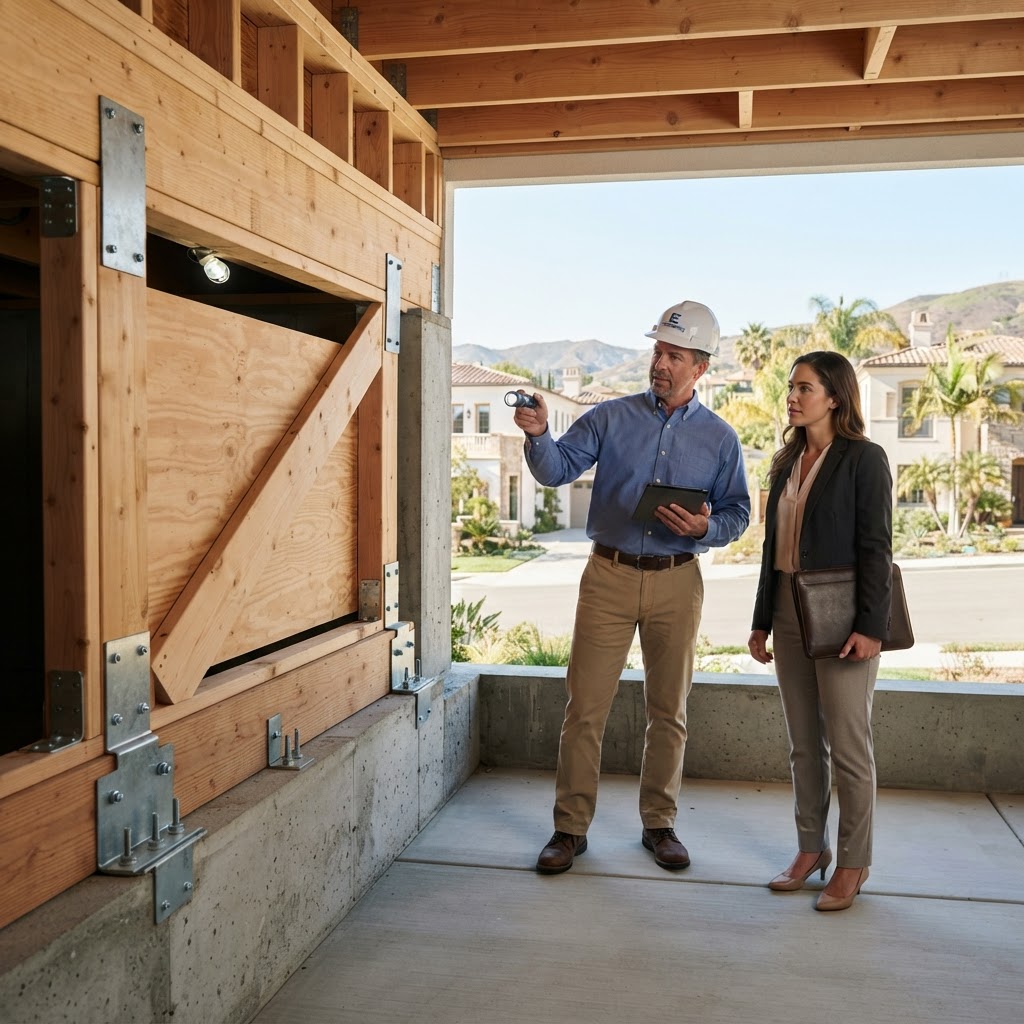
While wildfire dominates the headlines, the California Earthquake Authority (CEA) emphasizes that seismic risk remains the most significant threat to structural equity in coastal urban centers. For homes built before 1980, the 'Brace and Bolt' methodology is the most cost-effective way to prevent catastrophic displacement. Statistics from the 2024-2025 seismic audit cycle show that retrofitted homes sustained 60% less structural damage in localized moderate tremors than those still relying on unbolted mudsills. Furthermore, the CEA offers premium discounts of up to 25% for homeowners who provide proof of a code-compliant seismic retrofit, effectively turning a safety upgrade into a recurring financial gain.
The Resilience Audit: Practical Takeaways for Homeowners
To capture the 'Resilience Premium' and ensure property longevity, homeowners should move beyond reactive measures and adopt a proactive structural strategy:
- Conduct a Hardening Audit: Hire a certified professional to assess the 'home ignition zone.' This audit should provide a roadmap for replacing combustible materials (like wood decking) with non-combustible alternatives (such as composite or stone).
- Document Everything: In the 2026 market, a 'Resilience Dossier' is as important as a home inspection report. Maintain digital records of all retrofits, material specifications, and contractor certifications to provide to insurers and prospective buyers.
- Leverage State Incentives: Utilize the California Residential Mitigation (CRMP) grants. In 2026, these programs have expanded to cover not only seismic bolting but also specific ember-resistant upgrades in disadvantaged communities.
Ultimately, California homeownership in 2026 requires a shift in perspective. The home is no longer a passive shelter but an active, engineered defense system. By investing in the structural integrity of the asset today, owners are securing their financial future against the inevitable challenges of the California landscape.