Beyond Survival: The Shift to Operational Continuity
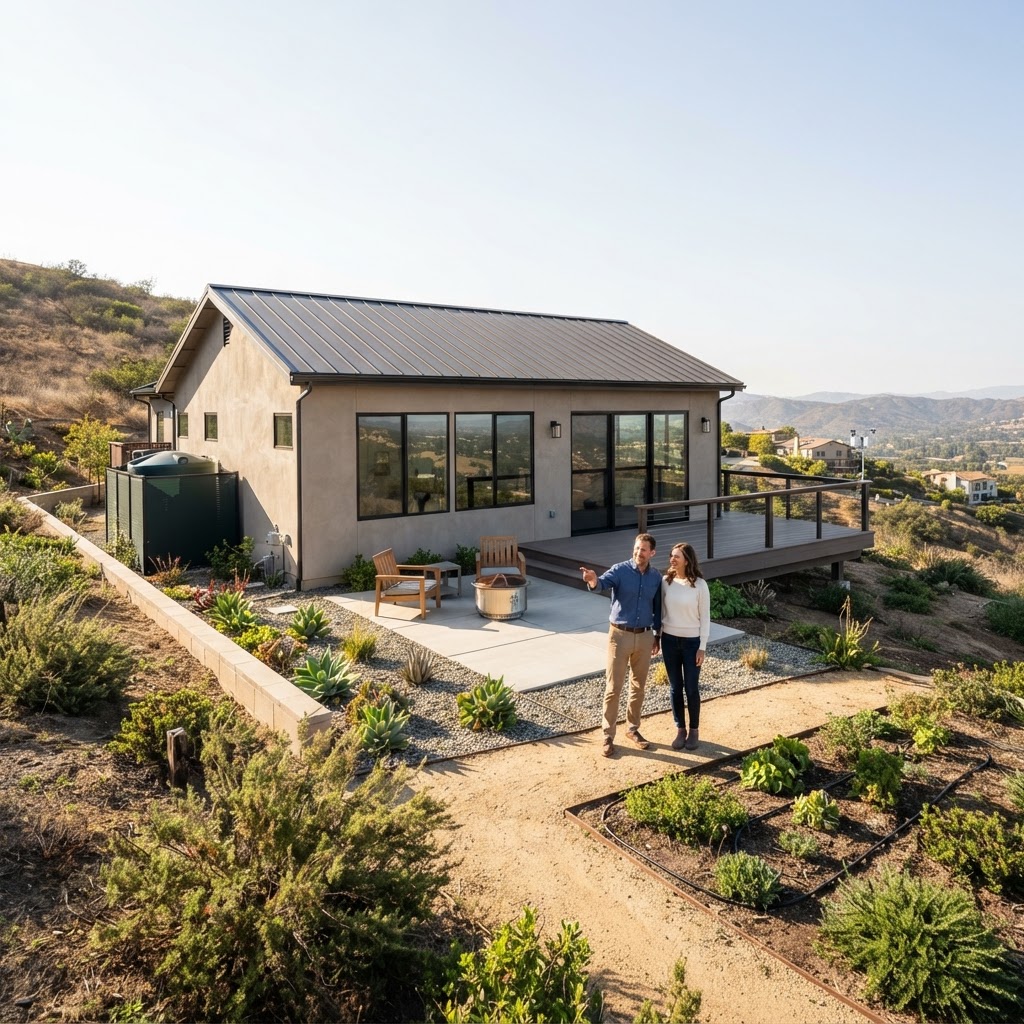
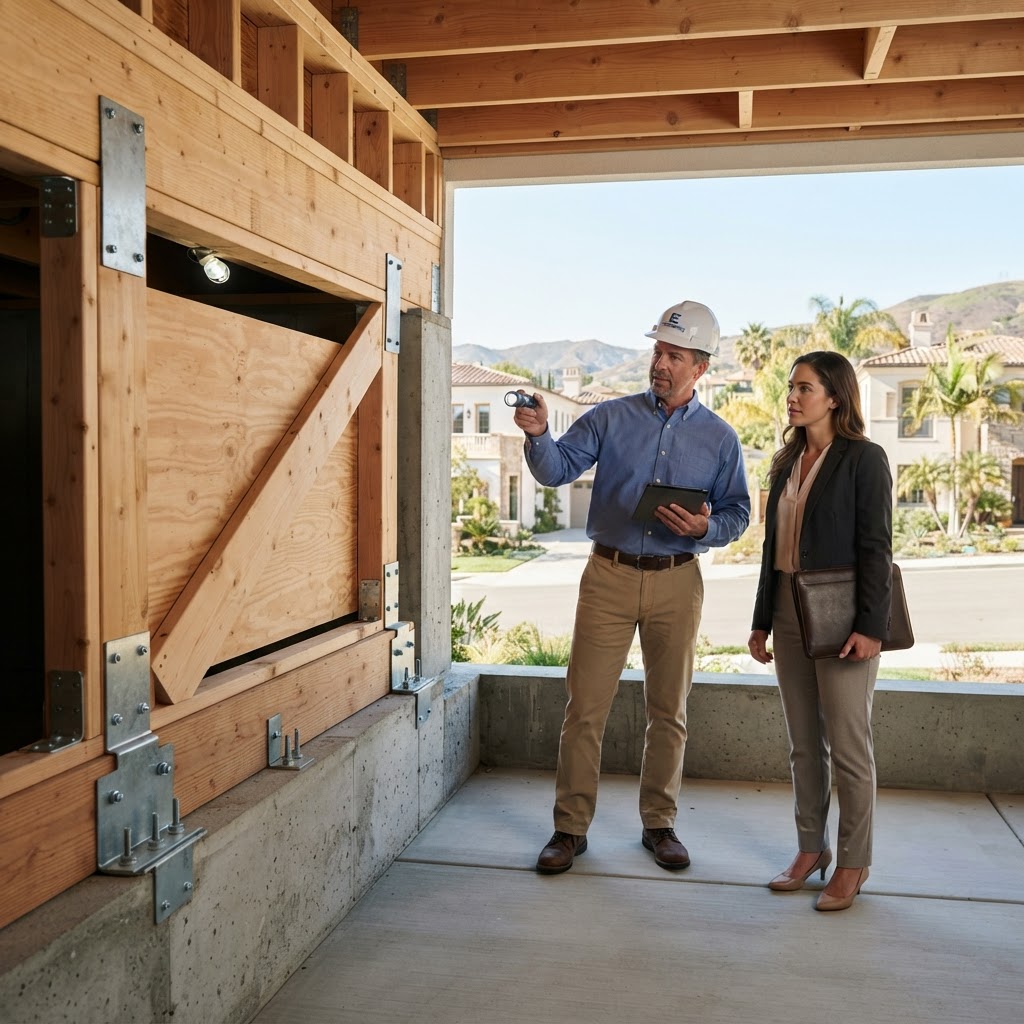
In the California real estate market of 2026, disaster preparedness has evolved. While physical hardening and insurance remains critical, a new priority has emerged: utility autonomy. With Public Safety Power Shutoffs (PSPS) becoming more frequent and the state's aging water infrastructure facing seismic and drought-related stress, the most resilient homes are no longer just those that survive the fire—they are the ones that remain fully operational when the municipal grid fails.
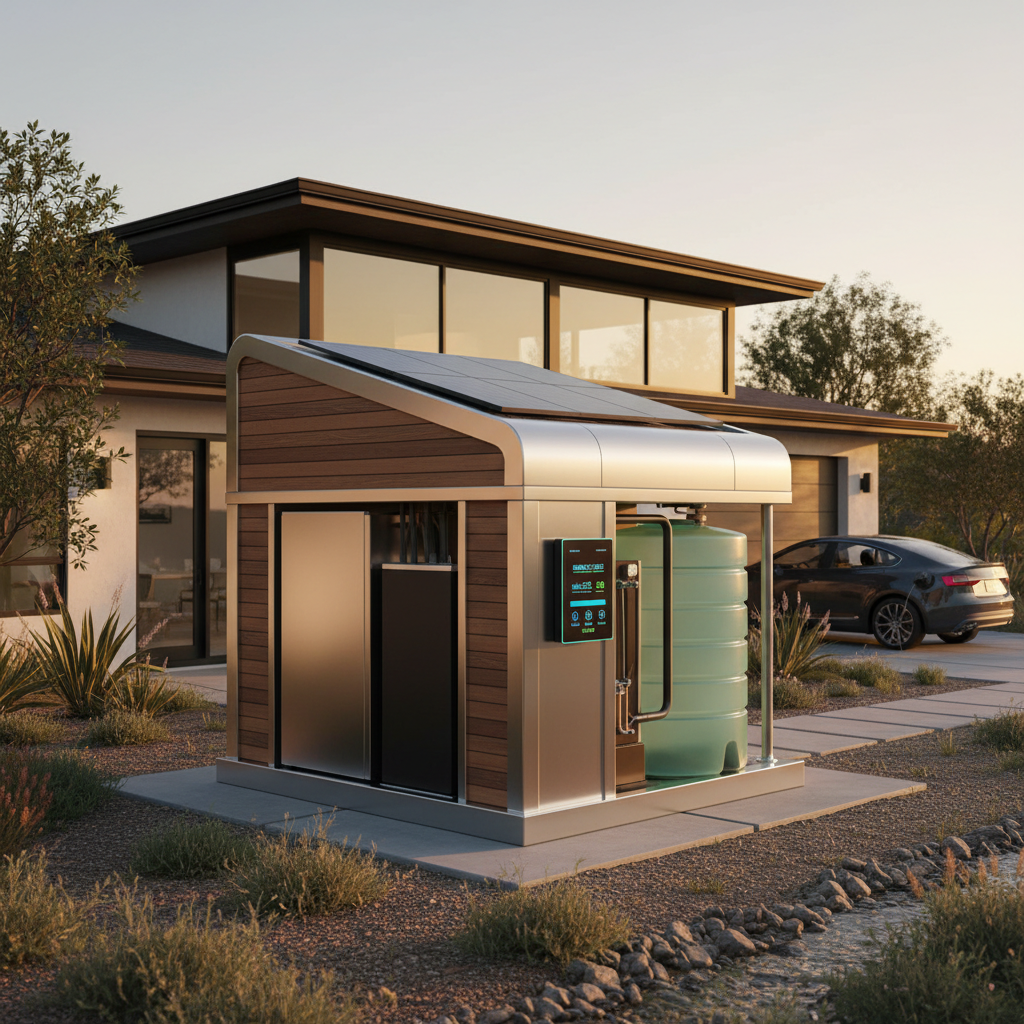
Data from the California Independent System Operator (CAISO) indicates that while grid capacity has increased, local distribution vulnerabilities remain high during extreme weather events. For the California homeowner, this has birthed the concept of the 'Utility Island'—a property capable of maintaining a standard of living independently for 7 to 14 days.
Energy Independence: The Lithium-Iron-Phosphate (LFP) Standard
The days of simple grid-tied solar are over. According to recent market analysis, nearly 82% of new solar installations in high-risk California zones now include high-capacity battery storage. The shift is driven by the declining cost of Lithium-Iron-Phosphate (LFP) batteries, which offer higher cycle life and safety profiles compared to older chemistries.
Modern 'Utility Island' homes are leveraging Vehicle-to-Home (V2H) technology. With California leading the nation in EV adoption (representing over 25% of new car sales per California Energy Commission data), the home’s garage is now its primary backup generator. An EV with a 100kWh battery can power an average energy-efficient home for nearly a week, providing a massive liquidity of energy that was previously unavailable to the average consumer.
Water Security: The New Frontier of Resilience
While energy gets the headlines, water security is the silent pillar of disaster preparedness. In seismic zones like the Hayward or San Andreas faults, experts at the U.S. Geological Survey (USGS) warn that a major event could disrupt municipal water supplies for weeks. Homeowners are responding by integrating advanced on-site water management systems.
- Atmospheric Water Generation (AWG): In coastal and high-humidity regions, AWG systems can extract 5 to 10 gallons of potable water daily from the air, providing a critical emergency supply.
- Greywater Diversion: Updated California plumbing codes now facilitate easier installation of greywater systems, allowing homeowners to repurpose laundry and shower water for irrigation, preserving potable reserves during shortages.
- Smart Leak Detection: IoT-enabled shut-off valves are becoming a standard requirement for many CA insurers, preventing the secondary disaster of water damage following a minor seismic shift.
The Real Estate Perspective: Valuation and Continuity
Autonomy is no longer just a luxury; it is a value-add that mitigates 'holding risk.' For investors and homeowners alike, a property that maintains cooling, refrigeration, and communication during a 5-day grid failure is significantly more liquid than one that does not. Appraisal data is beginning to reflect a 'Resilience Premium,' where off-grid capabilities can command a 3-5% price increase in inland and high-fire-risk regions.
Actionable Takeaways for California Property Owners
- Audit the Energy-Water Nexus: Transition from gas-powered backup generators to integrated battery systems. Use the Self-Generation Incentive Program (SGIP) rebates to offset costs.
- Prioritize V2H Compatibility: When upgrading electrical panels (Mains), ensure they are bi-directional ready to leverage EV batteries during outages.
- Establish On-Site Potability: Install a minimum 500-gallon gravity-fed water storage tank or an AWG system to bridge the gap between municipal failure and emergency restoration.
- Verify Connectivity: Disaster preparedness includes digital continuity. Invest in satellite-based internet solutions to ensure communication remains active when terrestrial towers are compromised.