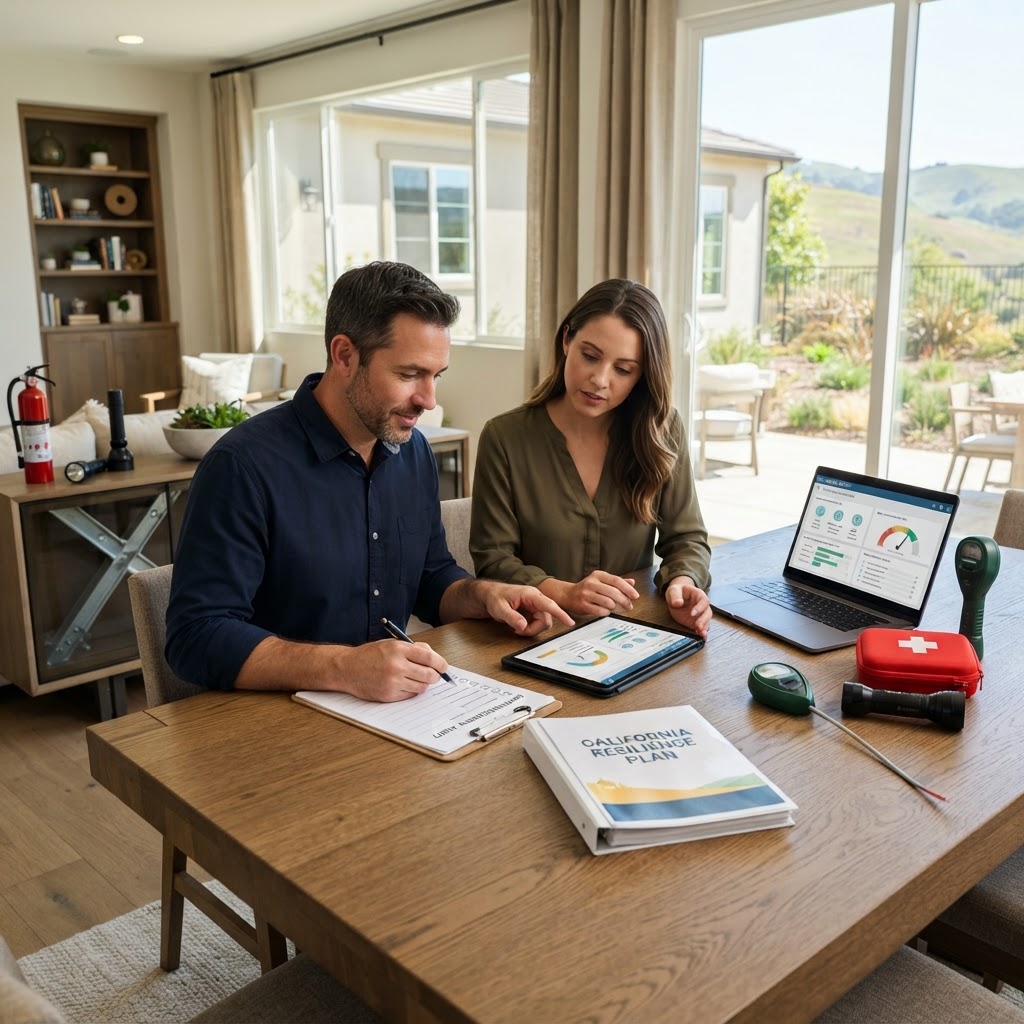
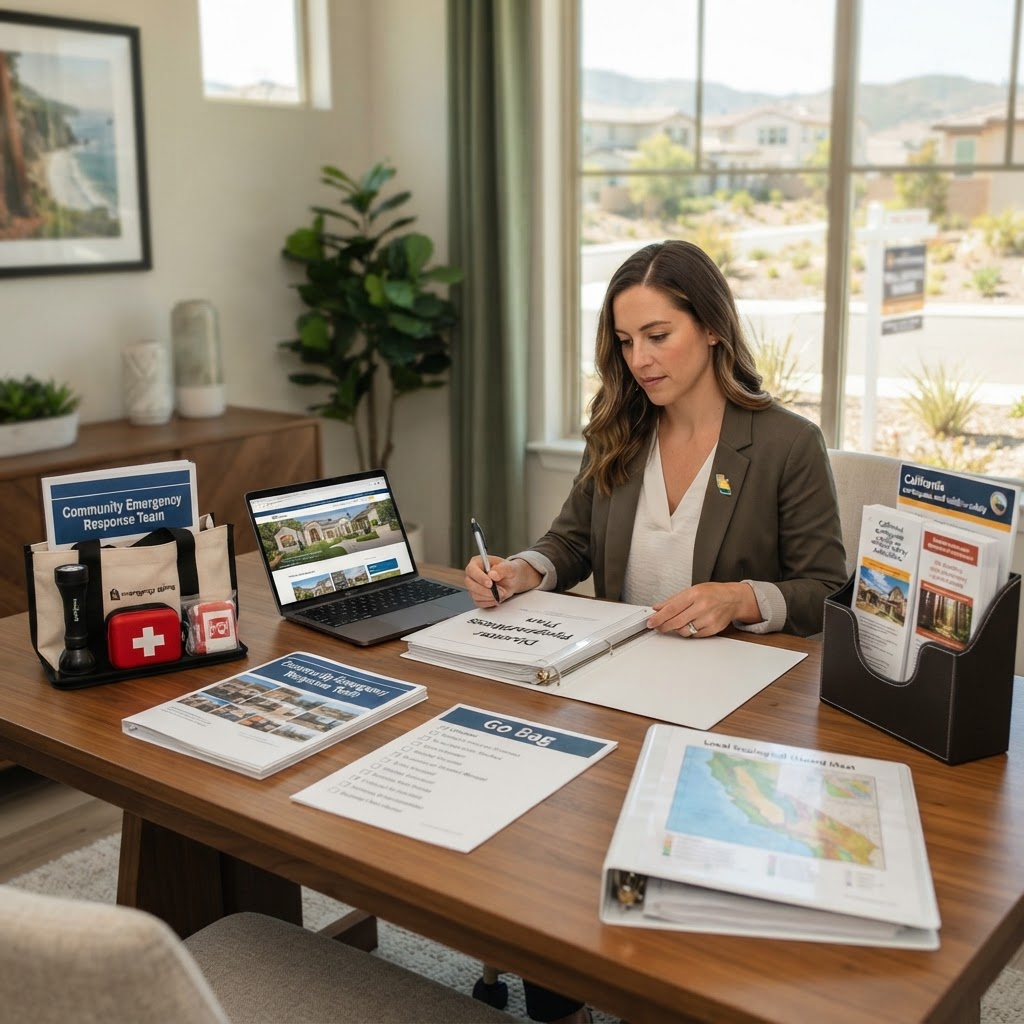
The Administrative Bottleneck: Why Physical Resilience Isn't Enough
In the California real estate market of June 2026, the conversation around disaster preparedness has matured. While 'hardened shells' and 'defensible space' are now standard requirements for insurability, a new critical metric has emerged: Recovery Velocity. This refers to the speed at which a homeowner can transition from a loss event to a funded rebuild. In recent years, data from the California Department of Insurance (CDI) has highlighted a sobering reality: while physical structures are becoming more resilient, the administrative recovery process often takes 18 to 36 months, largely due to poor documentation and the 'underinsurance gap.'
Addressing the 80% Underinsurance Statistic
According to research by CoreLogic and the United Policyholders non-profit, approximately 80% of California homeowners remain underinsured for the actual cost of reconstruction. This is not merely an issue of policy limits, but a failure to account for the 'surge pricing' of labor and materials that follows regional disasters. In high-risk zones like the wildland-urban interface (WUI) or seismic fault lines, the delta between a standard appraisal and the actual cost to rebuild under current California Green Building Standards (CALGreen) can exceed $150 per square foot. To achieve true resilience, homeowners must audit their policies annually against the Building Cost Index (BCI) rather than relying on automated renewals.
The Digital Vault: Documentation as Currency
Post-disaster liquidity depends almost entirely on the quality of evidence. The recovery velocity for homeowners with comprehensive, cloud-native inventories is nearly 40% faster than those relying on memory-based claims. In the current 2026 regulatory environment, insurance adjusters are increasingly utilizing AI-driven image recognition to verify claims. Homeowners who maintain a 3D digital twin or a high-definition video walkthrough of their property—stored on decentralized cloud servers—are positioned to bypass months of itemization disputes.
The Legislative Shield: Utilizing SB-894 and Beyond
Recent California legislation has provided homeowners with stronger protections during the recovery phase. Senate Bill 894, and its subsequent 2025 expansions, allow for the consolidation of ALE (Additional Living Expenses) payments and provide a minimum of 36 months for rebuilding. However, these benefits are only accessible to those who can prove a diligent pursuit of recovery. Resilience now requires a 'Disaster Portfolio' that includes pre-disaster architectural plans, a current schedule of values, and a secondary contact protocol for mortgage servicers.
Practical Takeaways for Homeowners and Investors
- The Annual Reconstruction Audit: Do not rely on your insurer’s 'inflation guard.' Request a quote from a local contractor every 24 months for a 'total loss rebuild' cost and adjust your Extended Replacement Cost coverage accordingly.
- Establish an 'Administrative Go-Bag': Beyond water and batteries, your physical go-bag must contain a hardware encrypted drive with property deeds, estate documents, and a complete PDF of your current insurance policy.
- Verify 'Code Upgrade' Coverage: Ensure your policy includes a specific rider for 'Ordinance or Law' coverage. As California's building codes for fire and seismic safety evolve, the cost to bring a damaged 1990s home up to 2026 standards can be a massive out-of-pocket expense.
- Engage the 'Public Adjuster' Network Early: In the event of a significant loss, the first 72 hours are critical. Identify reputable public adjusters in your region before a disaster strikes to ensure you have professional representation in the claims process.
True disaster preparedness in California is no longer just about surviving the event; it is about surviving the aftermath. By focusing on administrative readiness and documentation integrity, homeowners can ensure that a physical loss does not become a permanent financial displacement.