The Evolution of Residential Resilience
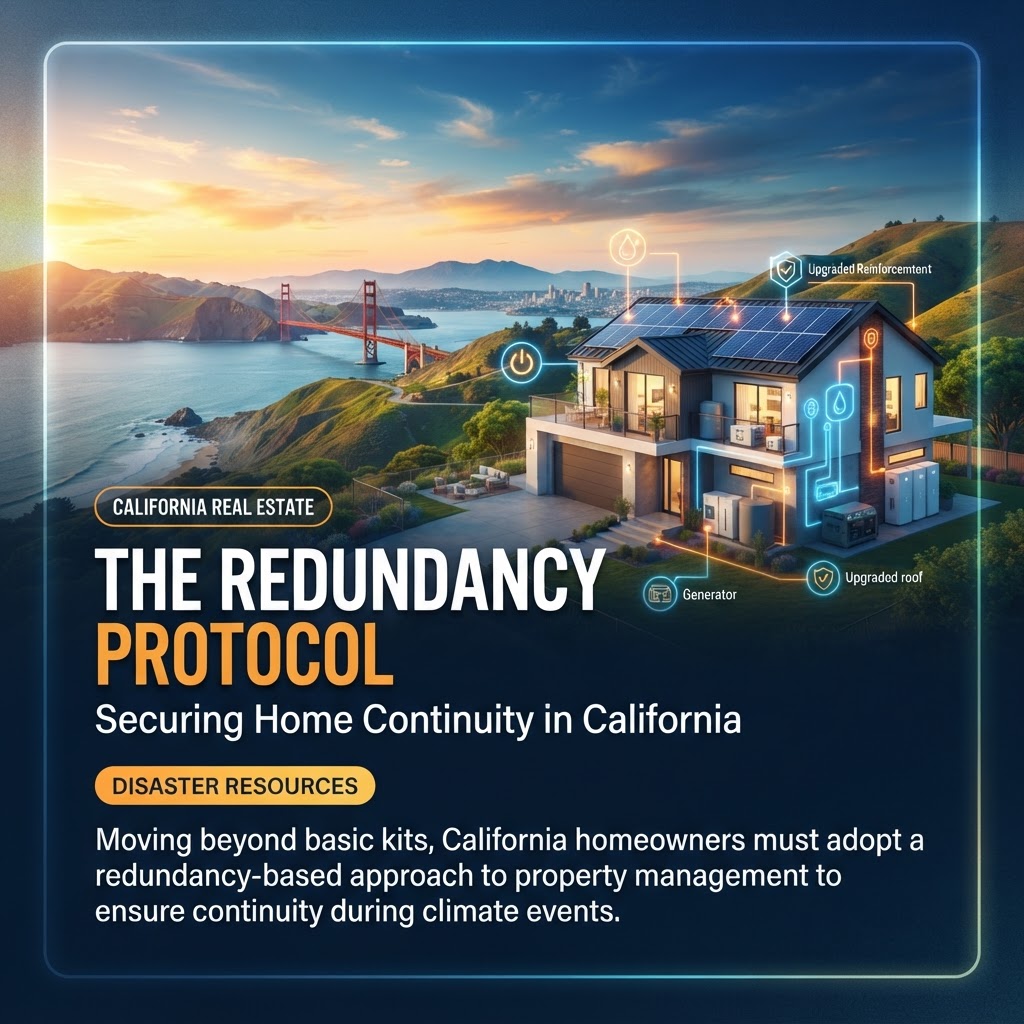
As of June 16, 2026, the California housing market has reached a critical inflection point. While physical retrofits—such as ember-resistant vents and seismic bracing—have become standard, a new valuation driver has emerged: Neighborhood Continuity. For the modern homeowner, the safety of a single structure is now recognized as being inextricably linked to the preparedness of the entire street. Individual 'fortress' homes are increasingly vulnerable if the surrounding social and physical infrastructure fails during a disaster.
The Power of Collective Mitigation
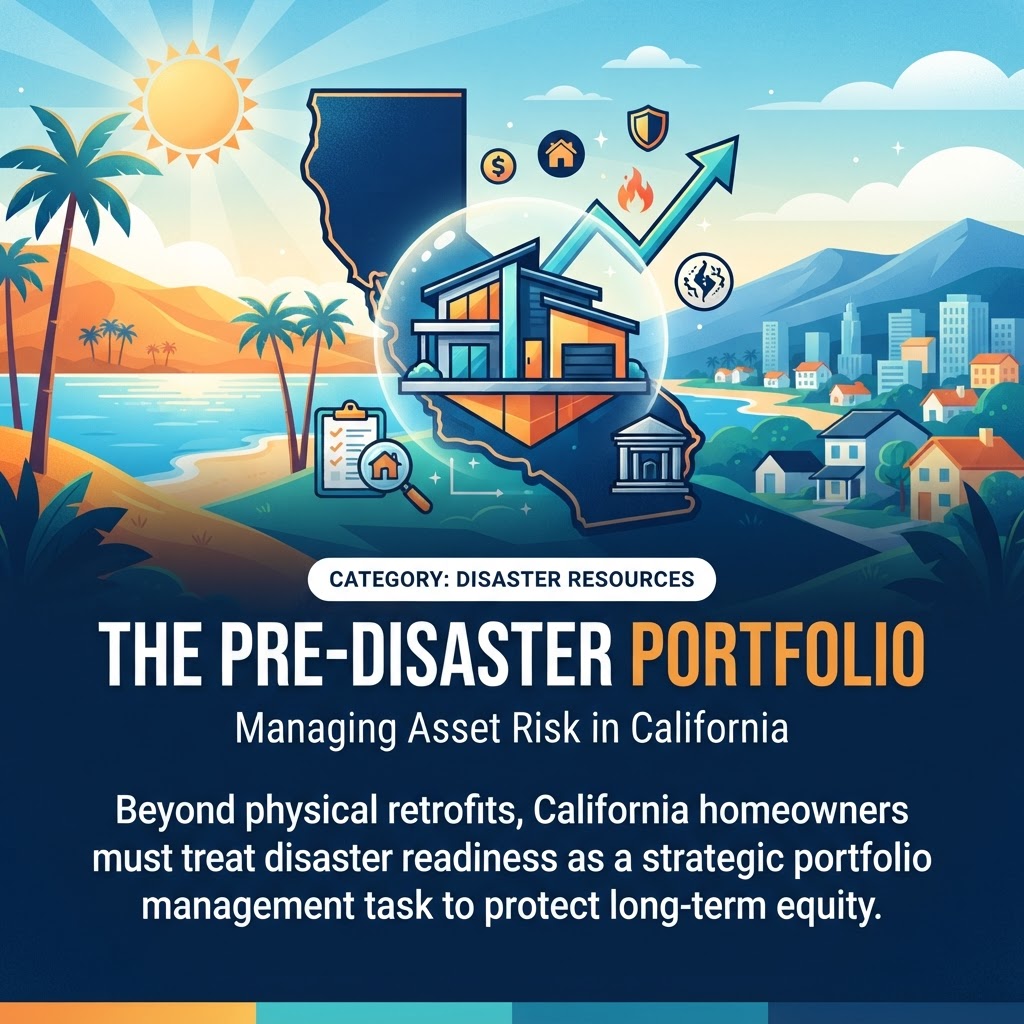
Data from the National Association of Realtors (NAR) and recent 2025 census surveys indicate a massive shift in buyer behavior. Approximately 68% of California buyers now prioritize properties within 'Firewise USA' recognized sites or areas with active Community Emergency Response Teams (CERT). This is not merely about altruism; it is about asset protection. According to recent market analysis from CBRE, homes in 'socially fortified' neighborhoods—those with documented collective mitigation plans—retain 12% more value following regional disaster events compared to isolated properties, even when physical damage to the structure itself is comparable.
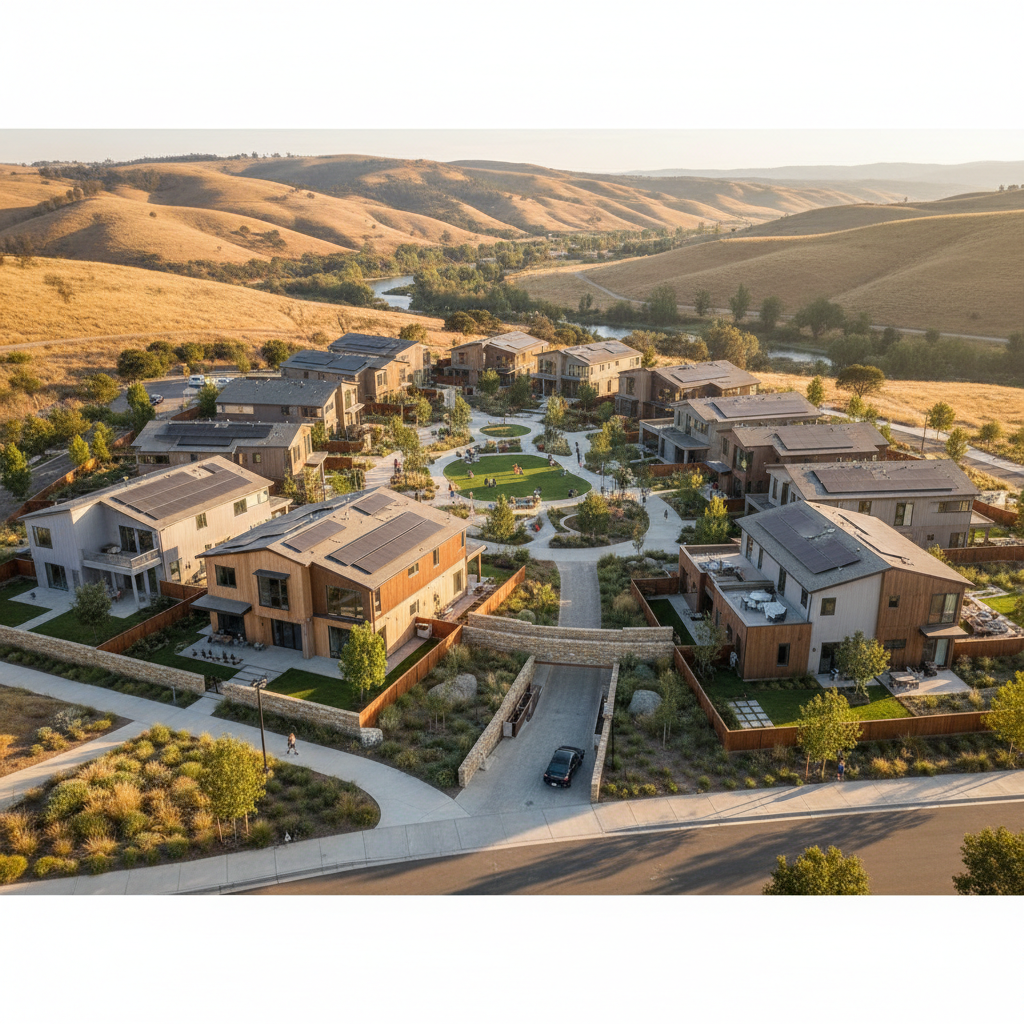
Defining the Neighborhood Continuity District
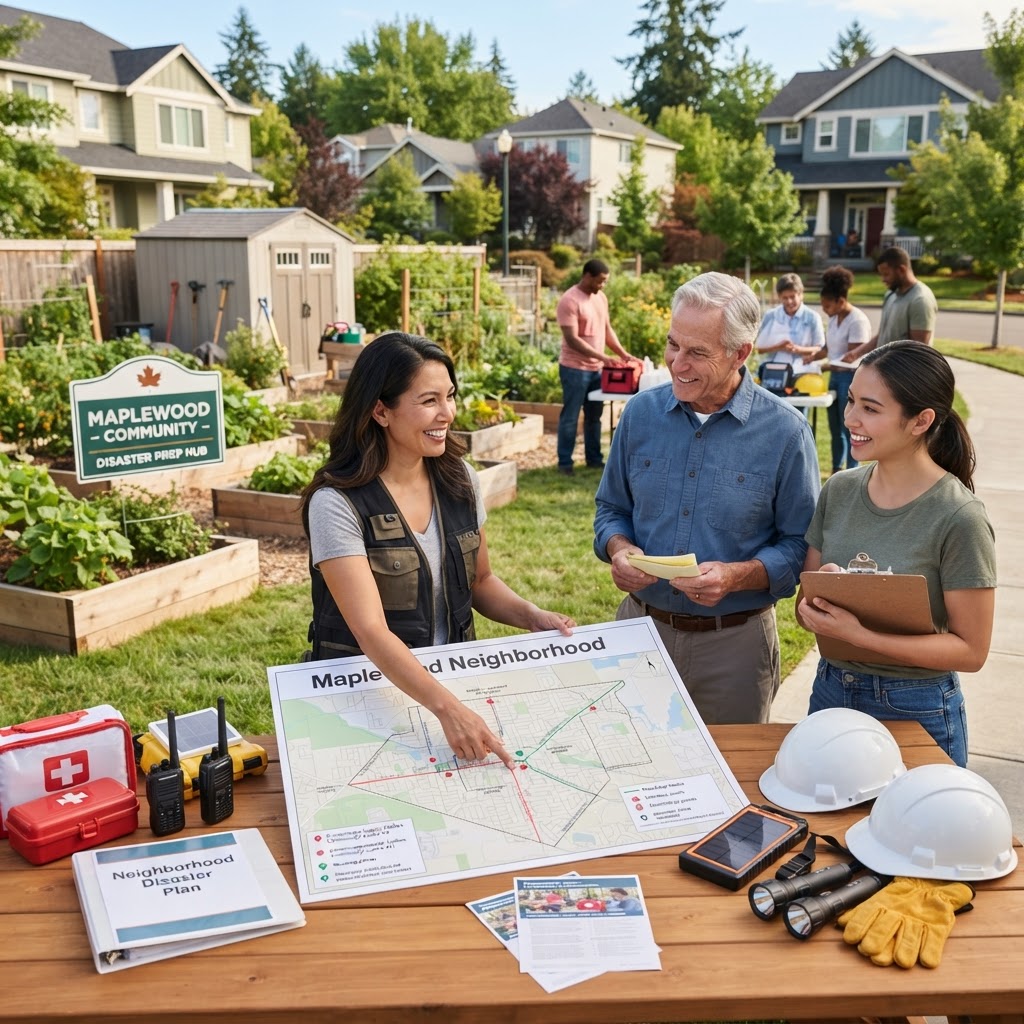
A Neighborhood Continuity District (NCD) is an informal but highly organized collective of homeowners who synchronize their disaster protocols. This goes beyond a simple 'Neighborhood Watch.' Key components include: 1. Shared Resource Inventories: Mapping private generators, satellite communications, and medical supplies across the block. 2. Defensible Space Synchronization: Ensuring that one neighbor's overgrown brush does not become another's ignition point. 3. Evacuation Simulations: Coordinated drills that reduce transit friction during actual emergencies, a factor that the 2024-2025 wildfire seasons proved to be life-saving.
Practical Takeaways for Homeowners and Investors
- Verify Firewise Status: Before listing or buying, check the NFPA Firewise USA portal. Properties in these communities often qualify for CA FAIR Plan discounts or preferred private secondary market rates that are unavailable to 'lone wolf' properties.
- Invest in Shared Infrastructure: Modern investors are pooling funds for community-scale solar microgrids and high-capacity water cisterns. These collective assets offer a significantly higher ROI in terms of insurance eligibility than individual aesthetic upgrades.
- Audit the Social Infrastructure: Inquire about the local CERT presence. A neighborhood with 20% or higher CERT certification among residents is statistically less likely to experience total loss during 'cascading' disaster events where municipal resources are stretched thin.
Resources for the 2026 Homeowner
The California Governor’s Office of Emergency Services (Cal OES) provides the 'Listos California' toolkit, specifically designed for neighborhood-level organizing. Additionally, the 2026 updates to the Wildfire Preparedness Act provide tax credits for collective mitigation efforts that cross property lines. For those looking to secure their investment in the Golden State, the message is clear: true resilience is no longer an individual pursuit; it is a team sport.