Beyond the Property Line: The Rise of the Municipal Resilience Premium
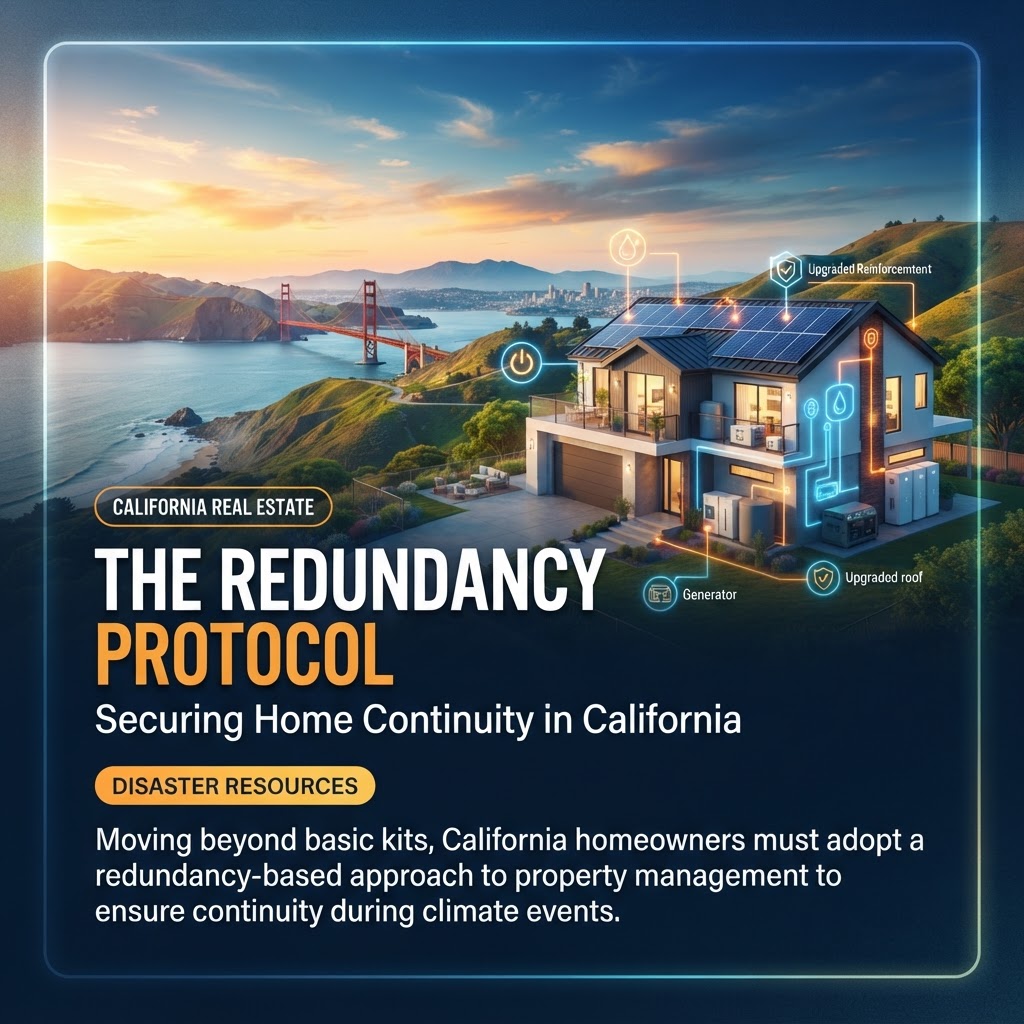
In the California real estate landscape of June 2026, the 'perfect' home is no longer defined solely by its hardened eaves or defensible space. While individual retrofitting remains essential, savvy investors and homeowners have shifted their focus toward municipal-scale disaster infrastructure—a factor now being dubbed the 'Municipal Buffer.' Data from the 2025 California Association of Realtors (CAR) Infrastructure Report indicates that properties in municipalities with an ISO Public Protection Classification (PPC) of 3 or better command a 4.2% price premium over those in higher-risk, less-prepared jurisdictions.
The Financial Impact of Local ISO Ratings
The ISO rating, which measures a community’s fire suppression capabilities on a scale of 1 to 10, has become a critical piece of the 2026 insurance puzzle. As traditional carriers continue to restrict coverage in high-hazard zones, non-admitted 'surplus lines' insurers are increasingly using municipal ISO scores as a primary underwriting gate. A municipality that invests in high-pressure water mains and 24/7 staffed fire stations provides a collective shield that individual homeowners cannot replicate. For a median-priced home in the Sierra Foothills or the Santa Monica Mountains, a city-wide improvement in ISO rating can result in annual premium savings of $1,200 to $2,800.
Evaluating the 'Safety Element' in Due Diligence
Under California’s updated Government Code Section 65302, local governments are mandated to adopt comprehensive 'Safety Elements' in their General Plans. For the 2026 homeowner, reviewing this document is as vital as a home inspection. A robust Safety Element outlines evacuation route capacities, secondary access points, and planned infrastructure upgrades. Investors are now auditing these plans to ensure that their assets are not located in 'bottleneck' zones where infrastructure has not kept pace with recent housing development.
Practical Takeaways for 2026 Stakeholders
- Audit the ISO PPC: Before purchasing or renewing a policy, verify the local fire department’s ISO rating through the municipal clerk’s office. A lower score reflects better water supply, equipment, and communication systems.
- Review the CWPP: Examine the Community Wildfire Protection Plan (CWPP). These plans identify high-risk areas and prioritize fuel reduction projects. A neighborhood currently undergoing CWPP-driven mitigation is a lower long-term risk.
- Monitor Utility Hardening: Investigate local utility providers’ records for Public Safety Power Shutoff (PSPS) frequency. Municipalities that have successfully lobbied for undergrounded lines or municipal microgrid resilience offer superior asset protection.
The Infrastructure Anchor
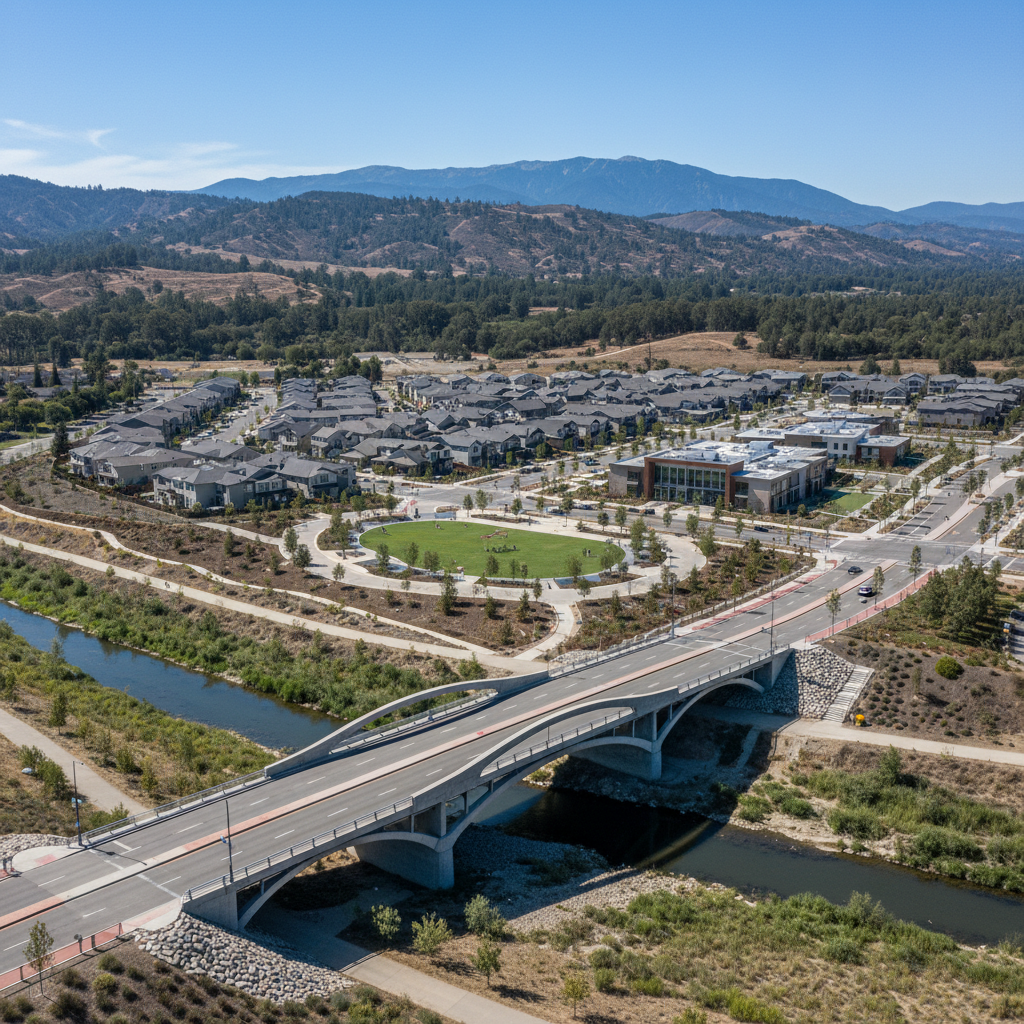
Resilience in 2026 is a collaborative effort. As compound risks like atmospheric rivers and wildfires intersect, the individual hardened home is only as secure as the infrastructure surrounding it. By prioritizing properties within highly-rated municipal buffers, California homeowners are not just buying a residence; they are securing a position within a fortified community network.