The Shift from Passive to Active Resilience
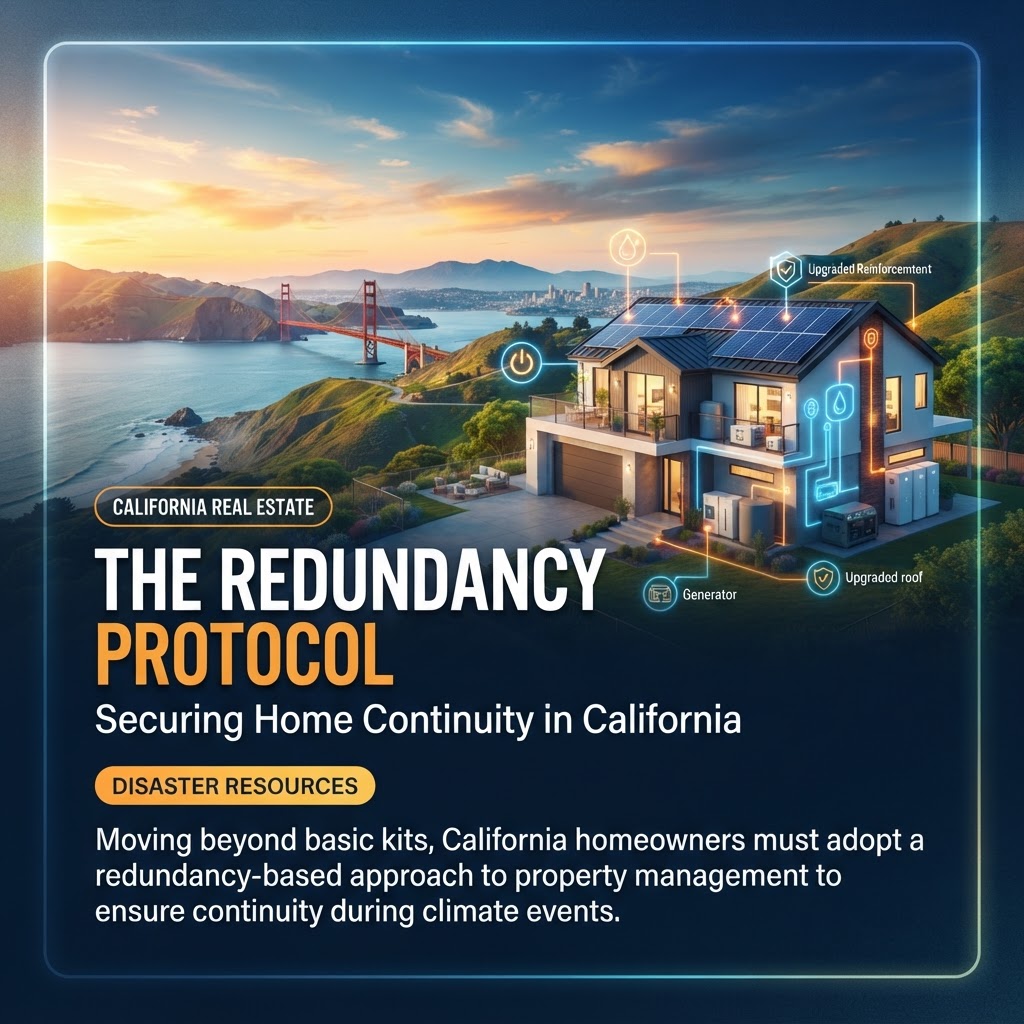
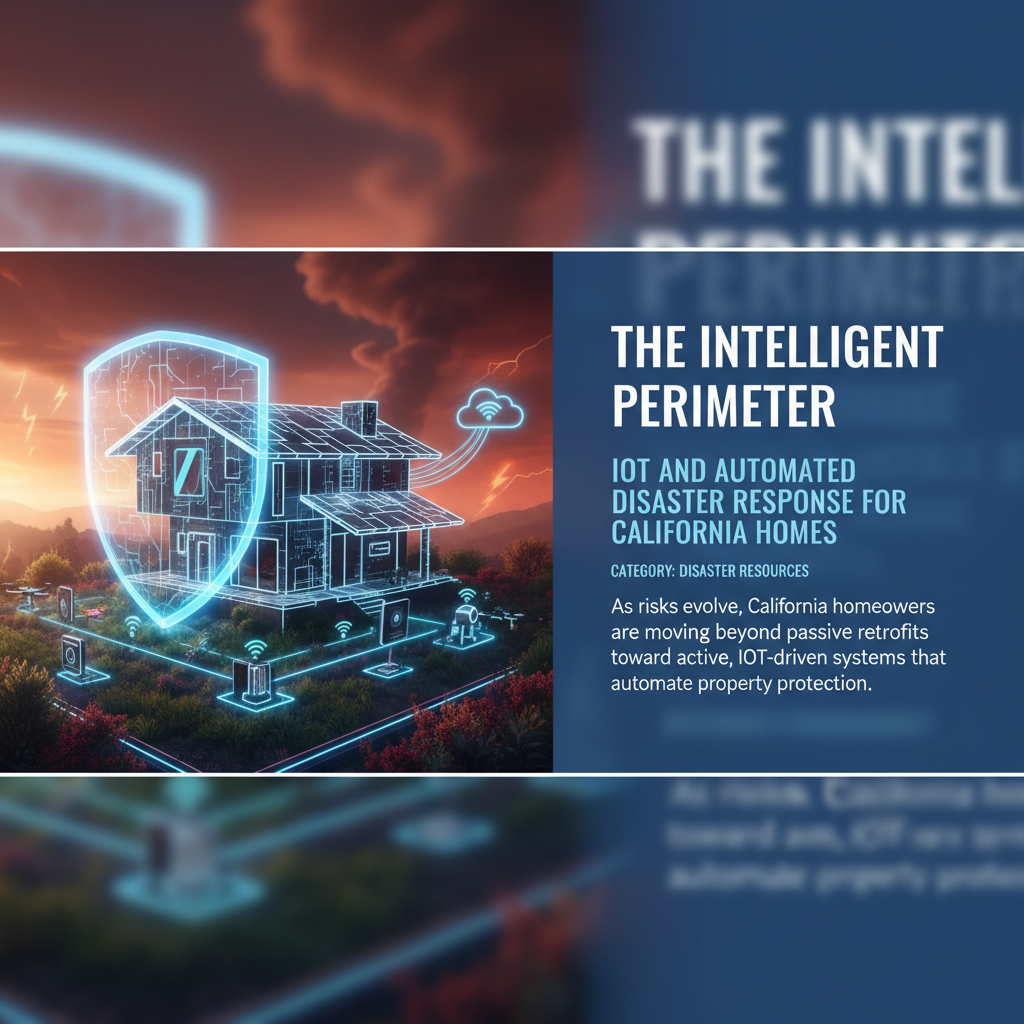
For decades, California disaster preparedness focused on 'hardening' structures through passive measures like seismic bolting and ember-resistant venting. However, as of June 2026, a new paradigm has emerged: the Intelligent Perimeter. This approach leverages Internet of Things (IoT) technology and real-time data feeds to transform a home from a static asset into an active participant in its own preservation.
The Rise of Automated Mitigation
Data from the 2025 Smart Home Technology Report indicates that 34% of new luxury builds in high-fire-risk zones now include integrated exterior suppression systems. These are not simple manual sprinklers; they are networked arrays triggered by local thermal sensors and satellite-linked wildfire tracking services. By the time a wildfire is within a five-mile radius, these systems have already increased humidity levels around the property perimeter and saturated vulnerable vegetation.
The impact is measurable. A 2026 analysis of California insurance claims found that homes equipped with automated seismic shut-off valves and smart leak detection systems saw a 60% reduction in secondary disaster damage, such as post-earthquake fires or internal flooding, compared to non-automated homes in the same zip codes.
Key Components of the Intelligent Perimeter
To achieve this level of readiness, homeowners and investors are prioritizing three specific technological layers:
- Atmospheric and Particulate Sensors: High-precision air quality monitors that, when detecting specific VOCs or smoke particulates, automatically shut down HVAC intakes to prevent internal smoke damage and preserve indoor air quality.
- Seismic Automation: Beyond simple gas shut-offs, modern systems are integrated with the California Integrated Seismic Network (CISN). Upon receiving an Early Earthquake Warning (EEW) signal, these systems can automatically open garage doors to prevent vehicle entrapment and shut off water mains to mitigate pipe-burst damage.
- Localized Power Management: With the 2026 shift toward decentralized grids, smart battery systems like the latest iterations of the Tesla Powerwall or Enphase IQ are now programmed to prioritize 'Disaster Mode' based on Red Flag Warnings issued by the National Weather Service, ensuring maximum capacity before potential Public Safety Power Shutoffs (PSPS).
Practical Takeaways for Homeowners
Transitioning to an active defense model requires a strategic approach to home technology integration:
- Audit Connectivity: Ensure that emergency IoT devices operate on redundant communication protocols (such as LoRaWAN or satellite backup) that remain functional when cellular towers fail during a disaster.
- Prioritize Interoperability: When upgrading home systems, select platforms that adhere to the Matter 2.0 standard to ensure that fire sensors, window actuators, and water shut-offs can communicate across different manufacturer ecosystems.
- Leverage Data for Insurance: Many California carriers are beginning to offer 'Active Mitigation' discounts. Homeowners should maintain digital logs of system tests and sensor activations to provide to underwriters during policy renewals.
The Future of California Property Values
The California Association of Realtors (CAR) has noted a growing 'Tech-Resilience Premium' in the 2026 market. Properties that feature fully integrated, automated disaster response systems are spending an average of 12 days fewer on the market than their non-integrated counterparts. For the modern California homeowner, disaster preparedness is no longer just about survival; it is about the seamless integration of technology to protect both life and equity in an increasingly volatile environment.