Beyond Policy: The Physicality of Protection
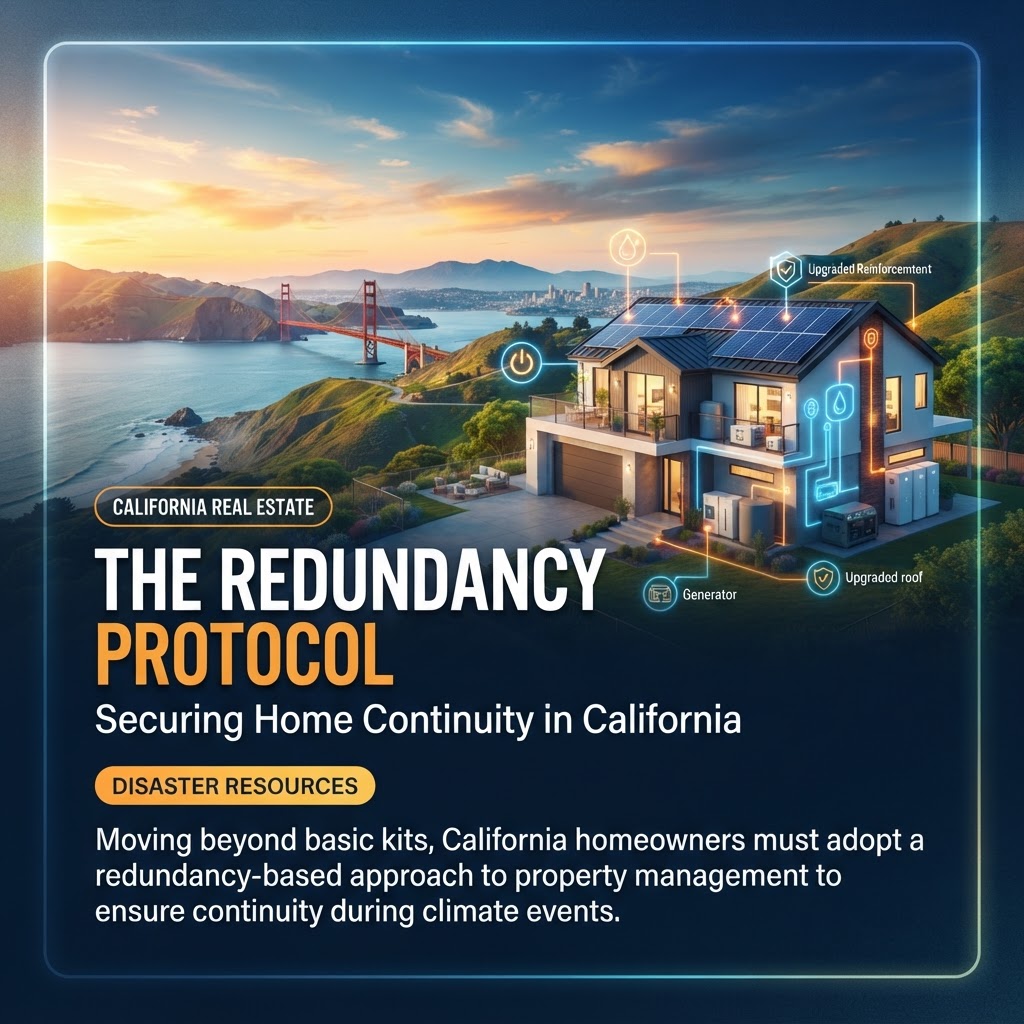
As of June 2026, the California real estate landscape has undergone a fundamental shift. While digital alerts and insurance strategies remain critical, the market is now placing a premium on the 'Hardened Shell'—the physical structural integrity of a home against wildfire, seismic activity, and atmospheric river flooding. For homeowners and investors, the conversation has moved from aesthetic upgrades to the tangible mechanics of survival and asset preservation.
The Seismic Spine: Retrofitting for the Long Game
California’s geological volatility remains a constant threat. Data from the California Residential Mitigation Program (CRMP) indicates that as of early 2026, homes that have undergone seismic retrofitting—specifically 'brace and bolt' interventions—see a significant reduction in structural collapse risk during a 6.0+ magnitude event. For pre-1980 homes on raised foundations, these retrofits involve bolting the house to its concrete foundation and bracing the crawl space with plywood to prevent the structure from sliding.
According to recent MLS data from high-risk zones in the Bay Area and Los Angeles, 'Seismic-Certified' listings are spending 14% less time on the market compared to un-retrofitted peers. The investment, typically ranging from $5,000 to $10,000, often qualifies for state-sponsored grants, making it a high-ROI endeavor for any seller.
The Wildfire Interface: Hardening the Envelope
With the 2026 wildfire season underway, the focus has intensified on the Wildland-Urban Interface (WUI) standards. The California Department of Forestry and Fire Protection (CAL FIRE) has increasingly emphasized that ember intrusion, rather than direct flame contact, is responsible for the majority of home losses. This has led to the 'Embers-First' defense strategy:
- Venting Systems: Installation of ember-resistant vents (ASTM E2886 compliant) is now a standard requirement for many CA FAIR Plan renewals.
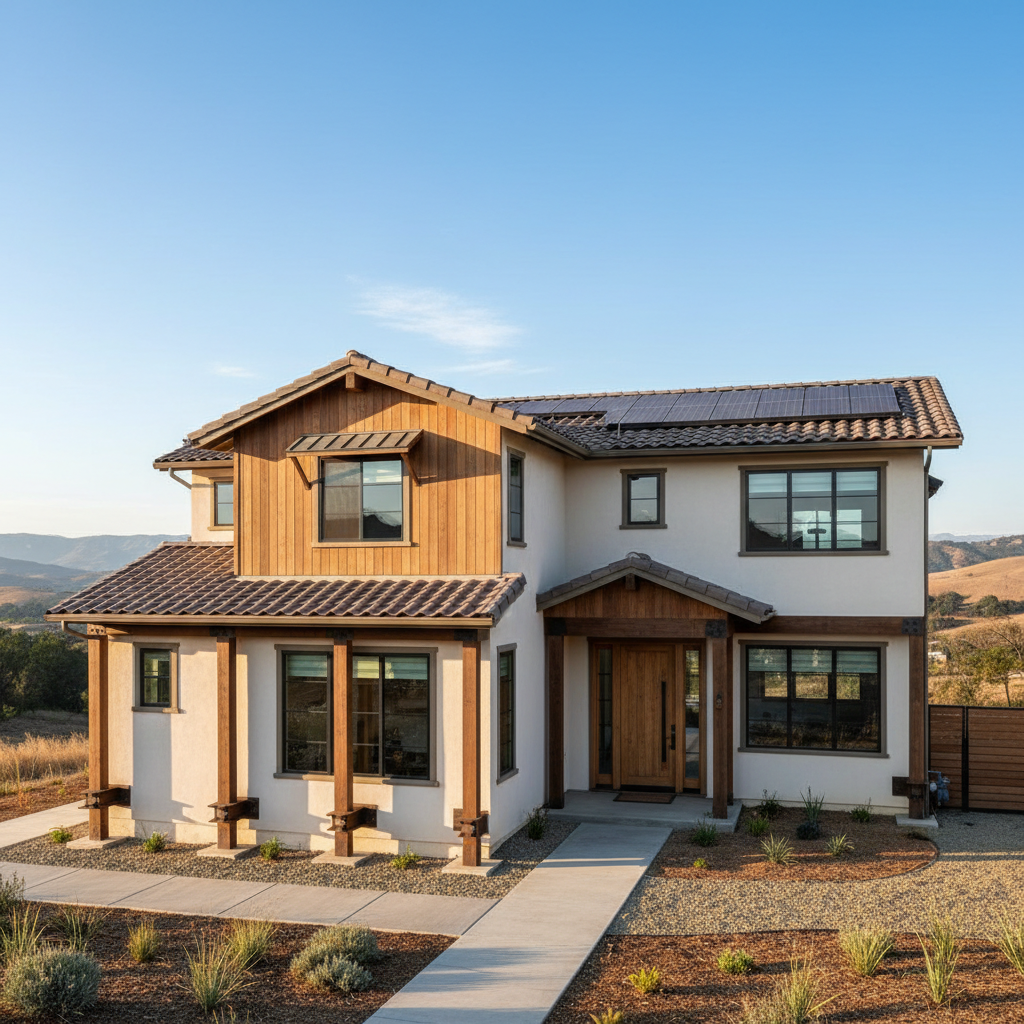
- Class A Roofing: Non-combustible materials such as metal, clay tile, or asphalt shingles with specialized underlayment are no longer optional for high-risk zones; they are a prerequisite for marketability.
- Zone 0 Landscaping: The 'Ember-Resistant Zone'—the first five feet around the home—must be cleared of all combustible vegetation and mulch, replaced by gravel, stone, or pavers.
The 2026 Insurance Nexus
Recent mandates by the California Department of Insurance now require insurers to account for these physical mitigation efforts in their premium calculations. Homeowners who can provide documentation of a 'Hardened Shell'—including dual-pane tempered glass windows and non-combustible siding—are seeing premium discounts of up to 15-20%. This financial incentive has transformed disaster preparedness from an annual chore into a permanent capital improvement project.
Practical Takeaways for Homeowners
To navigate this hardened market, owners and buyers should prioritize the following actions:
- Conduct a Hardening Audit: Before listing or buying, hire a specialized structural engineer to assess the home against current WUI and seismic codes.
- Leverage the 'Brace and Bolt' Grants: Check the CRMP database for available subsidies that can offset the cost of foundation bolting.
- Document Everything: Maintain a 'Resilience Portfolio' including photos of ember-resistant mesh, roofing permits, and certificates of completion for defensible space clearing. This portfolio is as vital as a title report in today’s transaction environment.
- Prioritize Zone 0: If budget is limited, focus on the first five feet of the structure. Removing organic mulch and wooden fences attached to the home is the most cost-effective way to prevent catastrophic loss.
In the California of 2026, resilience is not a passive state but a physical attribute. The homes that command the highest value are those that demonstrate they can withstand the inevitable, protecting both life and equity through superior structural engineering.