The Shift from Defense to Administrative Resilience
In mid-2026, California homeowners face a risk landscape defined not just by individual events, but by 'cascading crises'—where drought-weakened soil leads to winter debris flows following late-summer wildfires. While previous strategies focused on structural engineering, the current market demands a broader 'Asset Preservation Strategy.' This involves aligning home mitigation with state-level resources to ensure liquidity and insurability in an increasingly constrained market.
The Administrative Moat: Documenting for the FAIR Plan
As of early 2026, the California FAIR Plan has seen its policy count exceed 400,000, serving as the insurer of last resort for a significant portion of the state's residential value. However, simple enrollment is no longer sufficient for asset protection. According to data from the California Department of Insurance, homeowners who proactively document their compliance with the Safer from Wildfires framework see a marked difference in claims processing speed and policy stability.
Homeowners must maintain a 'Digital Vault' containing:
- Annual Defensible Space Inspections: Records of compliance with PRC 4291, including time-stamped photos of the 0-5 foot 'ember-resistant zone.'
- Inventory of Retrofits: Receipts for Class A roofing materials and ember-resistant vents (ASTM E2886 compliant), which are now critical for maintaining 'Marketable Title' in high-risk zones.
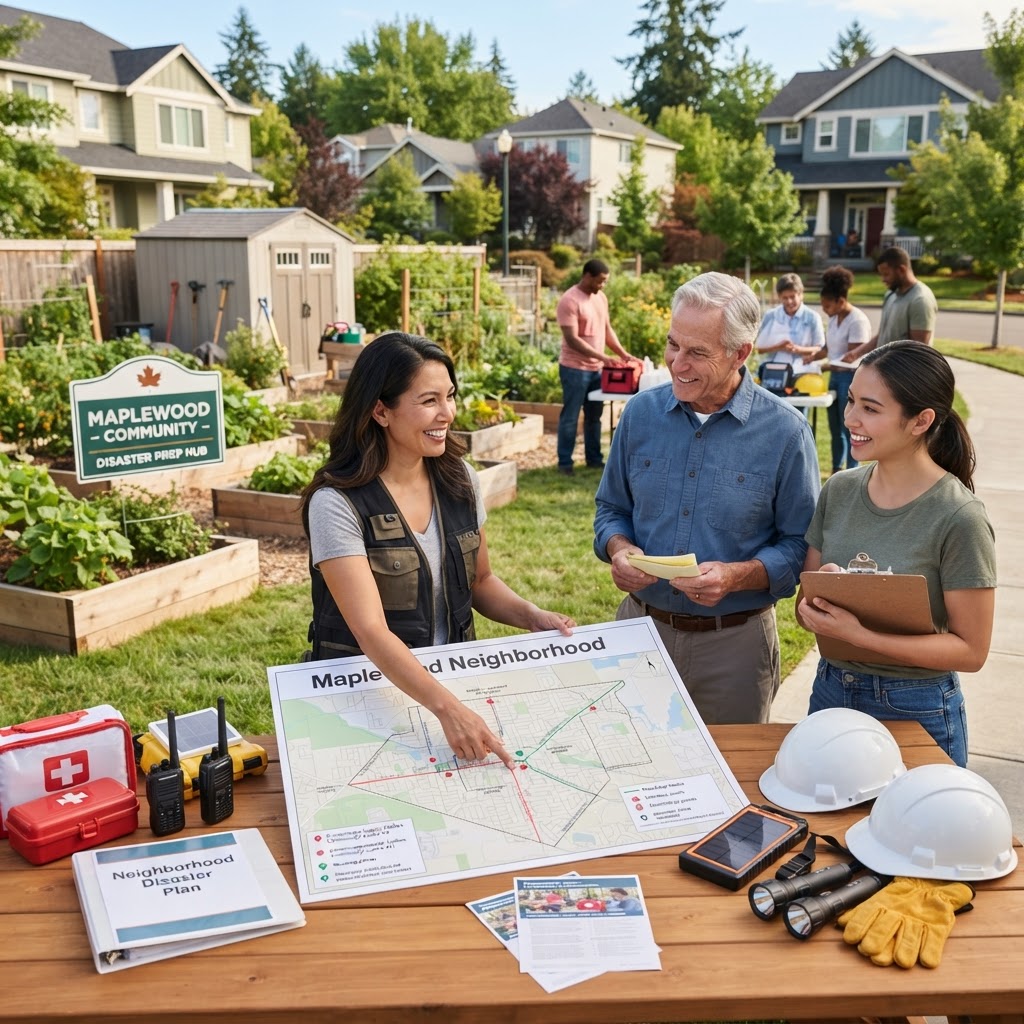
- Community Wildfire Protection Plan (CWPP) Alignment: Documentation showing the home’s participation in local Firewise USA® site requirements.
Leveraging State Resources: Cal OES and MyHazards
Effective preparedness in 2026 requires utilizing the state’s sophisticated geospatial tools to predict localized threats. The Cal OES MyHazards tool has become an essential utility for homeowners to identify specific soil liquefaction zones and fire hazard severity zones (FHSZ). Real estate investors are increasingly using these data points to calculate the 'Total Cost of Ownership,' factoring in the potential for mandated retrofits or rising mitigation fees.
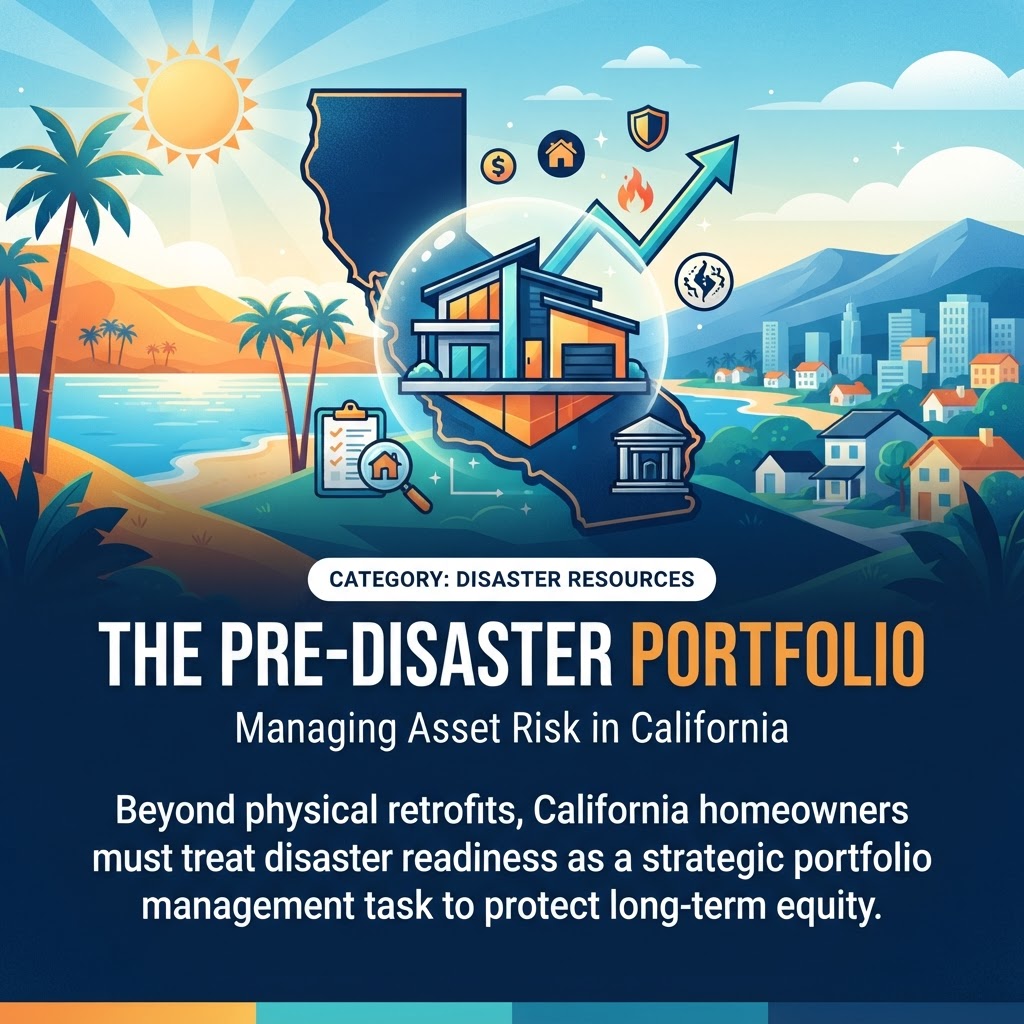
Data from the National Association of Realtors (NAR) suggests that California homes with verifiable mitigation records and proximity to well-funded municipal emergency response infrastructure retain 12-15% more value compared to unmitigated properties in similar risk tiers.
The 2026 Emergency Resource Portfolio
Beyond the physical property, resilience is tied to the homeowner’s ability to navigate the state’s emergency bureaucracy. Practical preparedness now includes:
- Listos California Integration: Utilizing state-sponsored preparedness networks that provide culturally and linguistically specific emergency alerts.
- Cal-Alert Registration: Ensuring all household members are registered with the wireless emergency alert system (WEA) specific to their county’s OES.
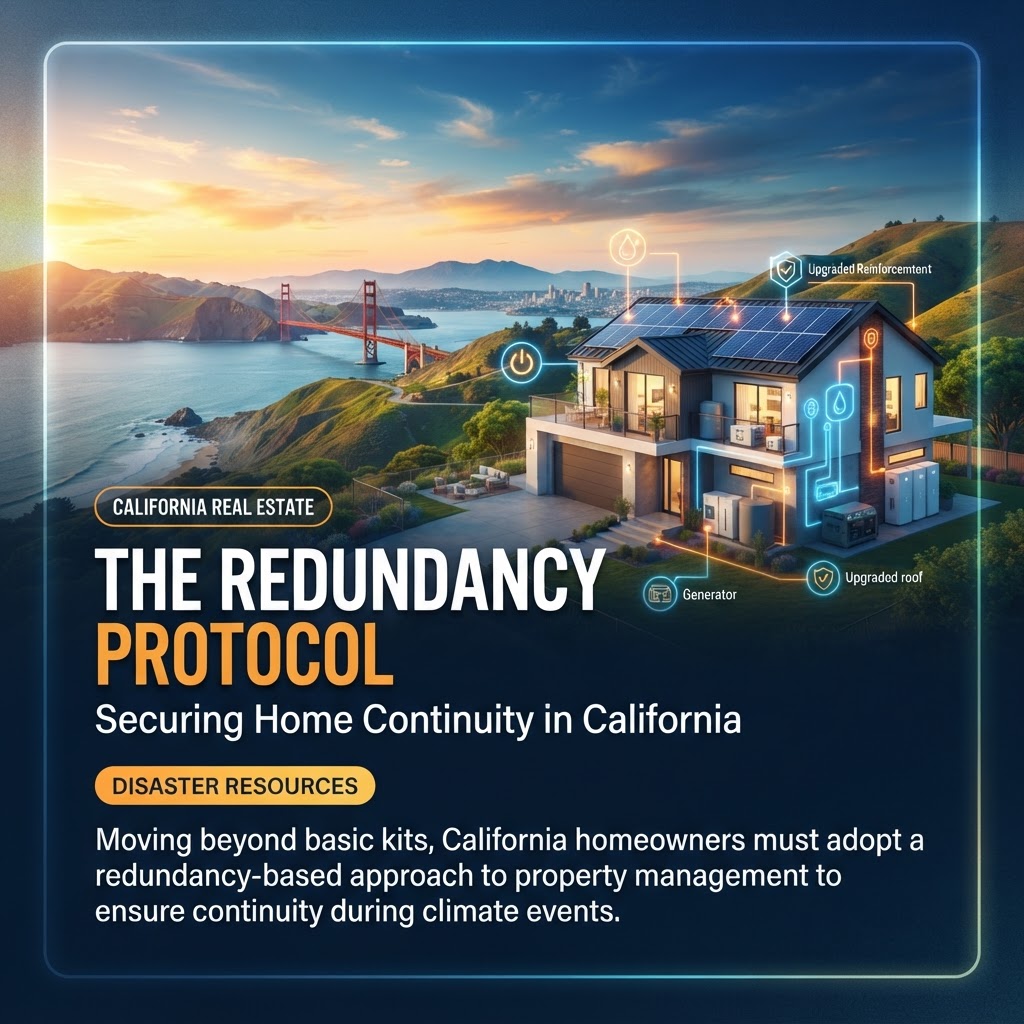
- Secondary Power Strategy: With Public Safety Power Shutoffs (PSPS) remaining a reality, integrating SGIP-funded (Self-Generation Incentive Program) battery storage is no longer a luxury but a requirement for maintaining home security and communication systems during active disasters.
Practical Takeaways for Property Owners
To preserve equity and ensure safety in the current climate, homeowners should execute the following:
- Conduct an Annual 'Insurance Audit': Meet with a broker to ensure your Dwelling Under Construction (DUC) or extended replacement cost coverage reflects the 2026 construction hyper-inflation rates.
- Audit the 5-Foot Perimeter: Remove all mulch, woody vegetation, and combustible materials within five feet of the structure; this is the single most significant factor in structure survival during wind-driven ember storms.
- Formalize the Exit Protocol: Beyond a 'go-bag,' ensure all financial documents, titles, and insurance policies are digitized and accessible via decentralized cloud storage.
In the California real estate market of 2026, the most resilient asset is the one that is both physically hardened and administratively prepared. By integrating with state frameworks like Safer from Wildfires and Cal OES resources, homeowners move from a reactive posture to a proactive strategy of value preservation.