The Shift from DIY to Professional Verification
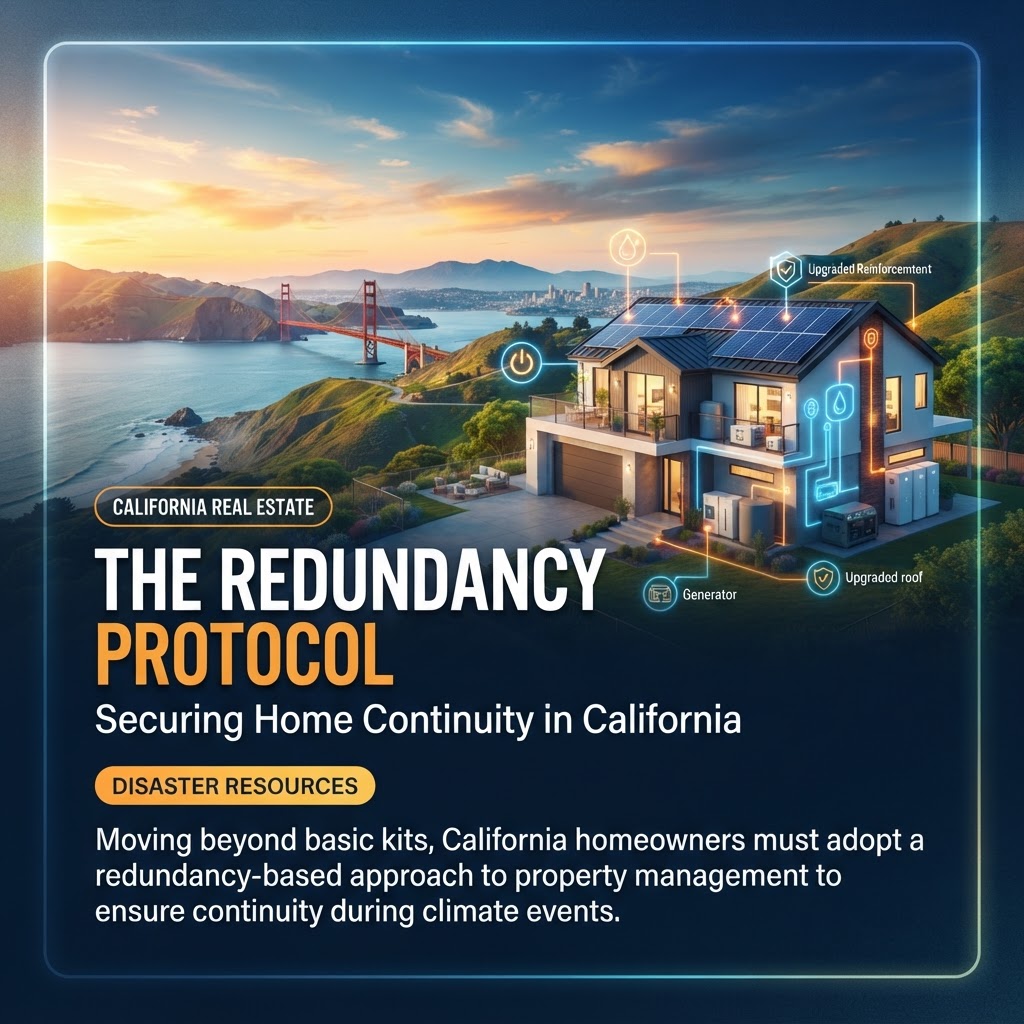
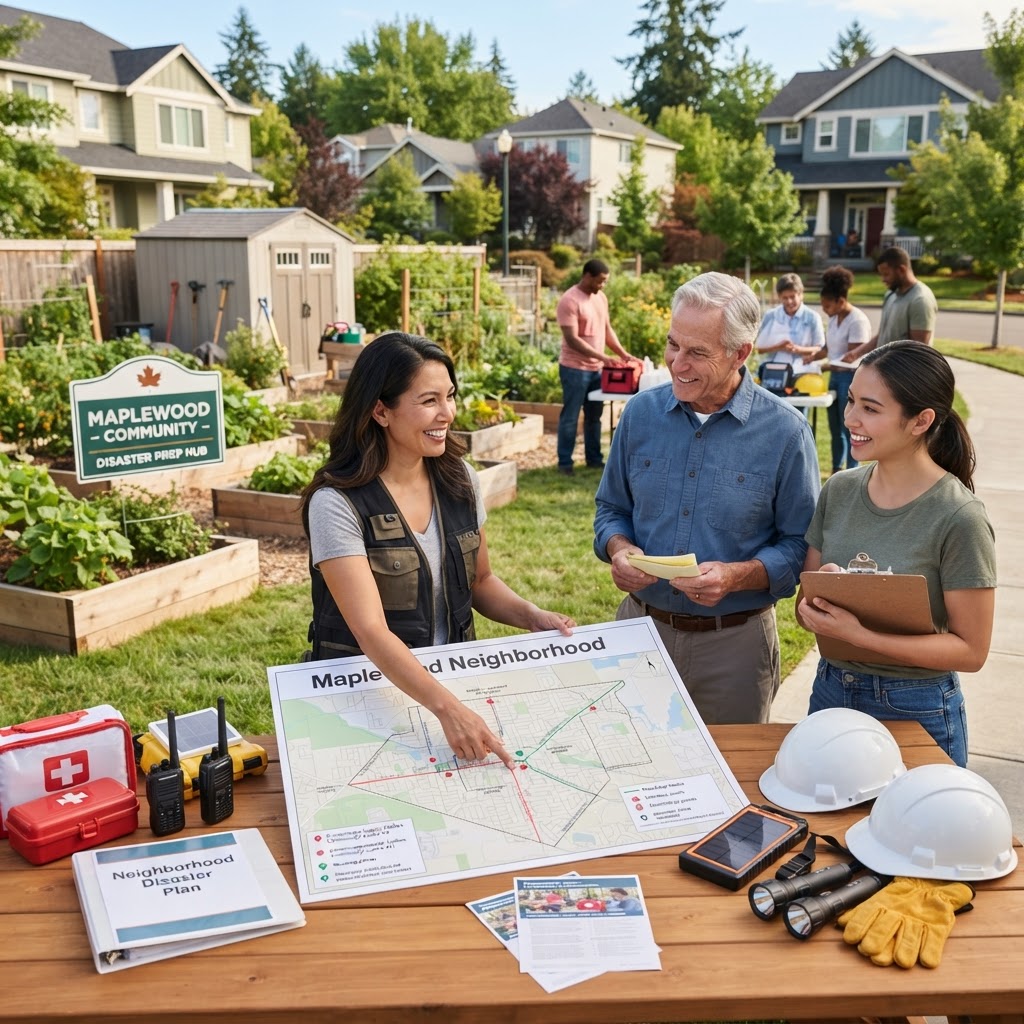
For decades, California disaster preparedness was defined by the 'Go-Bag'—a personal collection of batteries, water, and documents. However, entering the summer of 2026, the paradigm has shifted. For the modern California homeowner, preparedness is no longer a weekend DIY project; it is a professionalized standard of property management. In a market where insurance premiums have risen by an average of 18% year-over-year in high-risk WUI (Wildland-Urban Interface) zones, 'verified readiness' has become a critical component of home equity preservation.
The Rise of the Resilience Audit
Today’s homeowners are increasingly turning to third-party resilience audits. Unlike a standard home inspection, a resilience audit focuses specifically on the 'Home Ignition Zone' (HIZ) and seismic vulnerabilities. According to 2025 data from the Insurance Institute for Business & Home Safety (IBHS), homes that meet the 'Fortified' designation are 30% more likely to survive a wildfire event compared to those merely meeting basic code. These audits provide a roadmap for mitigation that goes beyond simple brush clearing, focusing on 'Zone Zero'—the immediate five-foot perimeter around the structure where most ignitions occur.
Data-Backed Incentives for Homeowners
The economic argument for professionalized preparedness is mounting. Recent 2026 reports from the California Association of Realtors (CAR) indicate that homes with documented resilience upgrades—such as ember-resistant mesh venting and Class A fire-rated roofing—stay on the market for 12% less time than non-fortified counterparts. Furthermore, the California Department of Insurance has expanded its 'Safer from Wildfires' framework, requiring insurers to offer discounts to homeowners who can prove they have taken specific, verified steps to protect their property. For many, these discounts can offset the cost of the professional audit within twenty-four months.
Actionable Steps for the 2026 Market
To move beyond basic survivalism and into verified resilience, homeowners should prioritize three professional actions. First, secure a HIZ (Home Ignition Zone) assessment from a qualified professional to identify 'low-hanging fruit' like gaps in garage doors or flammable debris in rain gutters. Second, formalize an Emergency Communications Plan that utilizes the 2026-standard satellite-mesh networks now common in rural counties, ensuring connectivity when cellular towers fail. Third, digitize all property records into an encrypted, off-site cloud server—a step that the National Association of Realtors (NAR) identifies as the single most important factor in accelerating post-disaster insurance claims.
The New Standard of Ownership
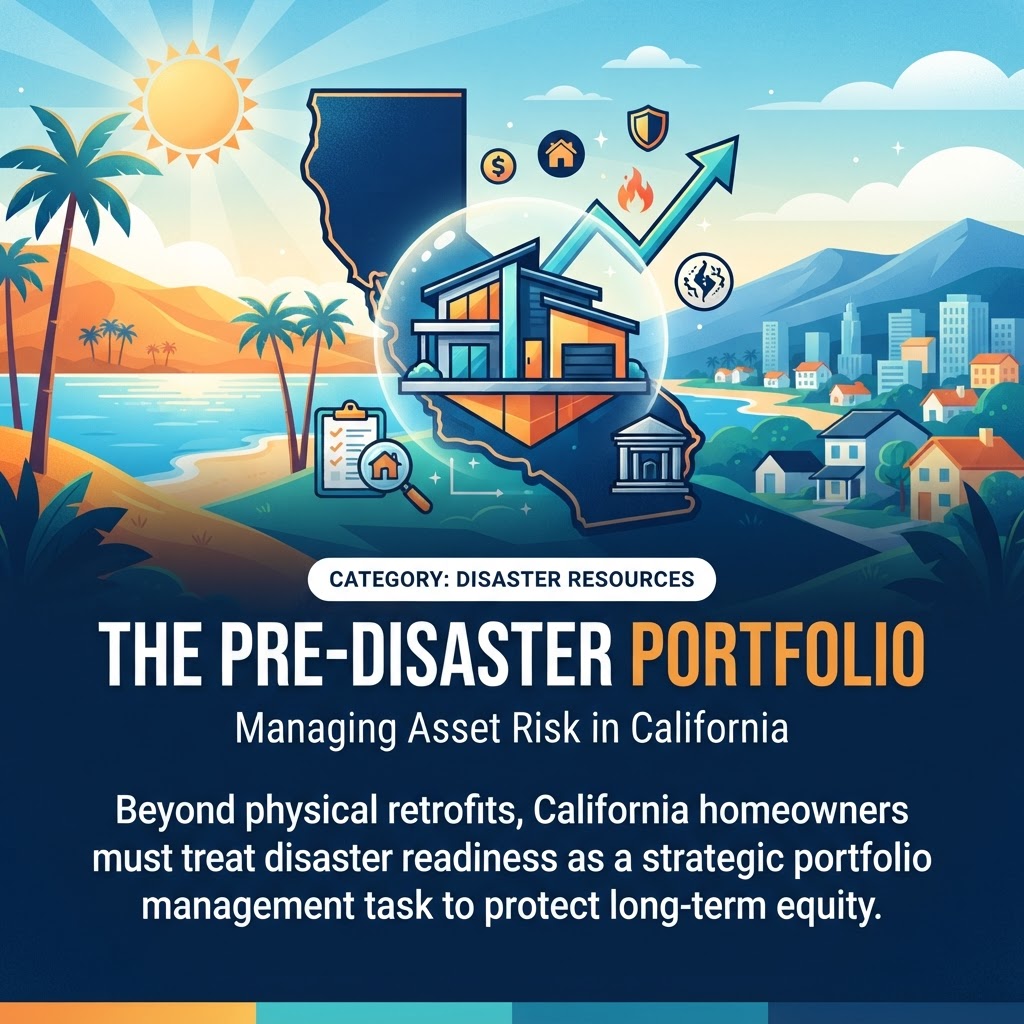
Disaster preparedness in California is no longer about reacting to a crisis; it is about proactive asset management. As we navigate the remainder of 2026, the distinction between 'prepared' and 'verified' will define the resilience of our communities. Homeowners who treat disaster readiness as a professional certification rather than a hobby are not just protecting their lives—they are securing their financial future in an increasingly volatile climate.