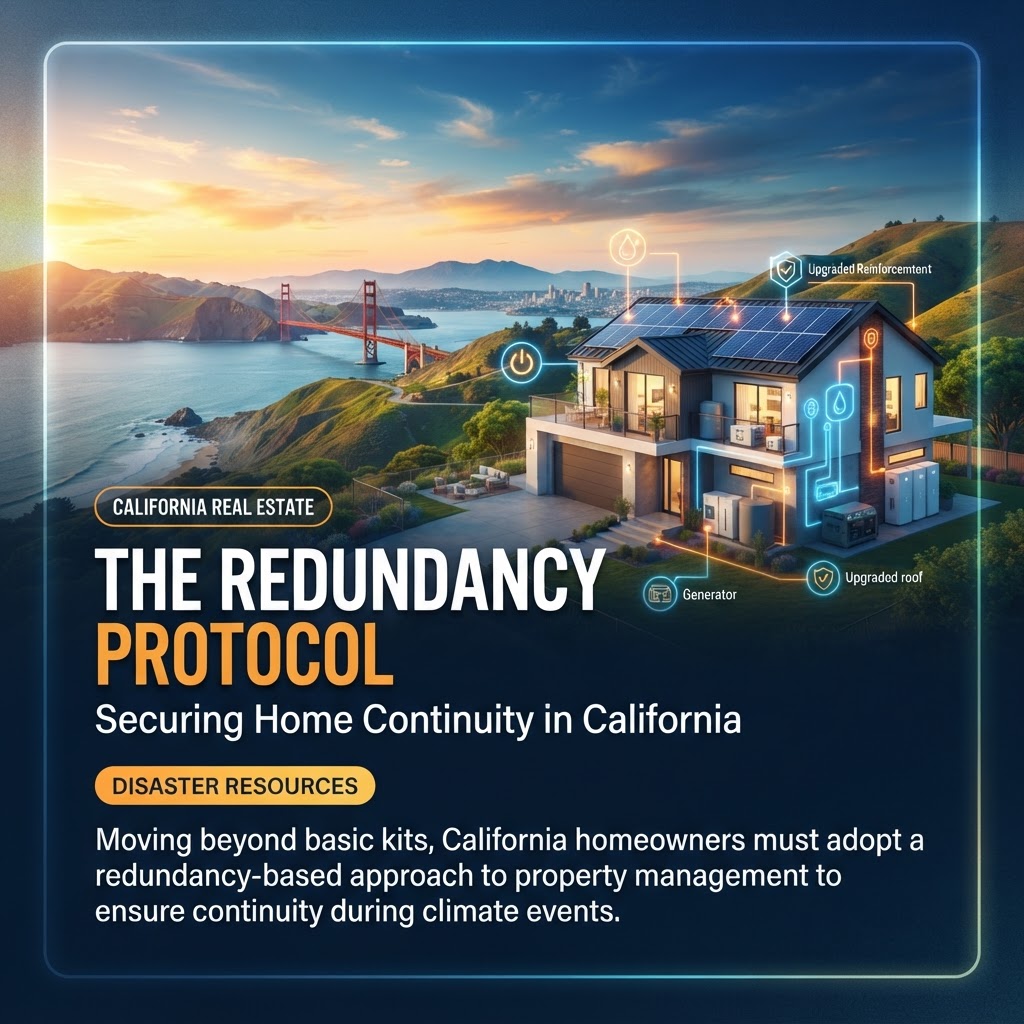
By mid-2026, the California real estate market has reached a critical juncture where the 'survivability' of a structure is as vital to its valuation as its square footage. With the California Earthquake Authority (CEA) reporting that over 1.2 million homes in high-seismic zones remain unretrofitted, and the 2025 fire season highlighting the vulnerability of older attic vent designs, the focus for homeowners has shifted to the 'Fortified Envelope.' This approach integrates seismic, wind, and fire resilience into a single engineering strategy.
Beyond the Foundation: Advanced Seismic Retrofitting
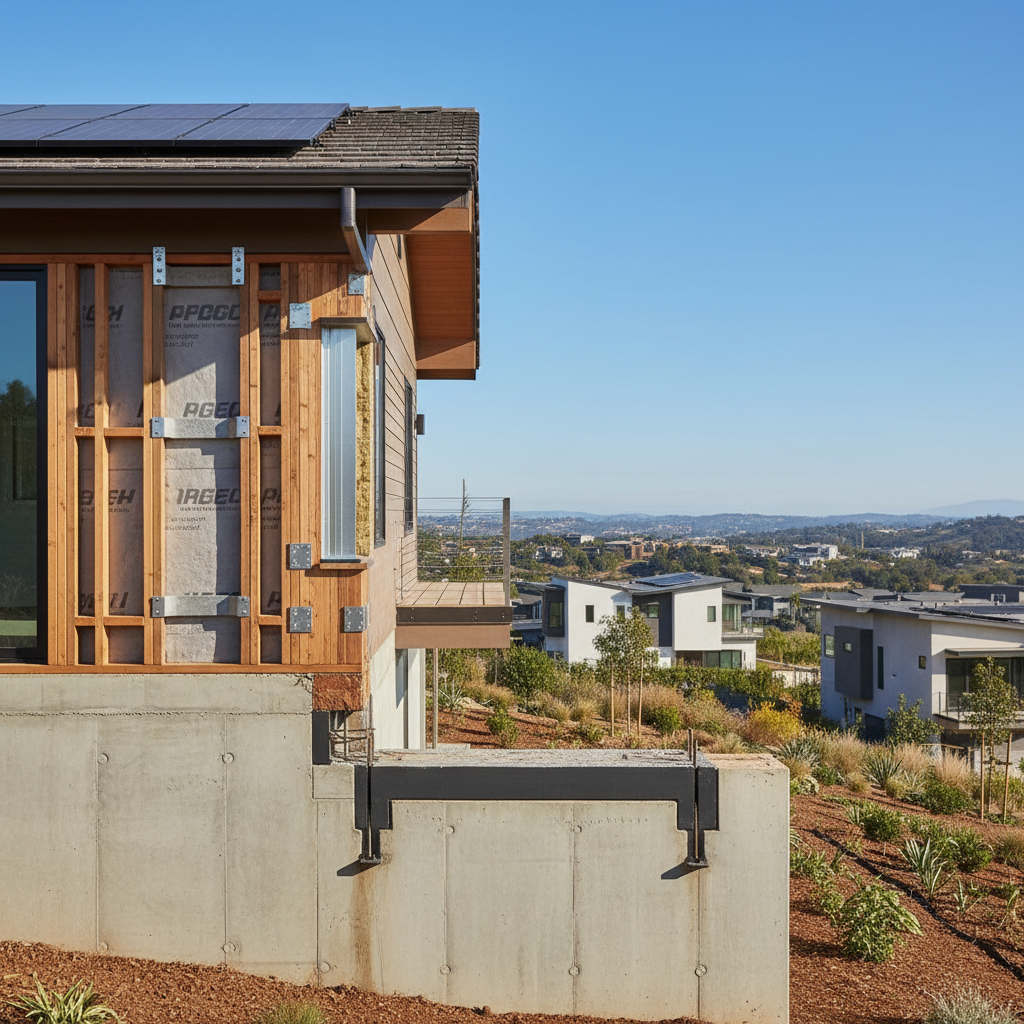
While foundation bolting was the gold standard for decades, 2026 standards demand a more comprehensive look at lateral forces. According to recent data from the California Department of Insurance, homes with completed 'brace and bolt' retrofits have seen a 10-15% reduction in earthquake insurance premiums, yet many homeowners overlook soft-story vulnerabilities. For owners of pre-1980 raised-floor dwellings or those with living spaces over garages, the risk of 'pancaking' during a significant event remains high.
Investors and sellers should prioritize 'cripple wall' bracing. Strengthening these short wood walls that rest on the foundation prevents the house from shifting off its base. In the current market, a certified seismic retrofit is no longer a luxury but a prerequisite for securing favorable secondary market financing through entities like Fannie Mae and Freddie Mac, which have tightened requirements for high-risk California zip codes.
The Ember-Resistant Shell: Hardening the 2026 Home
Wildfire resilience has evolved past simple defensible space. The concept of the 'Home Ignition Zone' (HIZ) now emphasizes the building's exterior skin. Data from the Insurance Institute for Business & Home Safety (IBHS) indicates that nearly 90% of homes lost in WUI (Wildland-Urban Interface) fires are ignited by embers, not the direct flame front.
Critical Upgrade Points:
- Non-Combustible Siding: Transitioning from wood shingles to fiber-cement or stucco significantly reduces the fuel load of the structure.
- Multi-Pane Tempered Glass: Windows are the weakest point in a thermal event. Dual-pane tempered glass is now the baseline for any property seeking the 'Wildfire Prepared Home' designation.
- Baffle-Tech Vents: Traditional mesh vents are being replaced by flame-and-ember-resistant vents that use intumescent materials to seal shut when exposed to extreme heat.
Insurance and Resource Integration
The 2026 insurance landscape increasingly rewards those who utilize the California FAIR Plan’s 'Safer from Wildfire' credits. However, resilience is also about recovery resources. Homeowners should utilize the 'Digital Asset Registry'—a cloud-based, blockchain-verified inventory system now recommended by most major California brokerages—to ensure that proof-of-loss documentation is irreproachable and accessible immediately following a disaster.
Practical Takeaways for California Homeowners
- Conduct a Professional Structural Audit: Hire a licensed structural engineer to assess both seismic bolting and roof-to-wall connections, which are vital for wind and fire resistance.
- Inventory the 'Hardened' Assets: Ensure all upgrades (Class A roofing, ember-resistant vents) are documented in the MLS 'Green' or 'Resilience' fields during a sale to capture the 4-7% price premium currently observed for hardened homes.
- Monitor the Mitigation Grant Cycle: Applications for the 2027 'Earthquake Brace + Bolt' grants and state wildfire mitigation subsidies typically open in late summer; early preparation of contractor bids is essential for successful funding.
In the high-stakes environment of 2026, California homeownership requires a transition from passive occupancy to active stewardship of the property’s structural integrity. By fortifying the building envelope, owners protect not just their physical safety, but the long-term viability of their largest financial asset.