The Shift from Safety to Equity
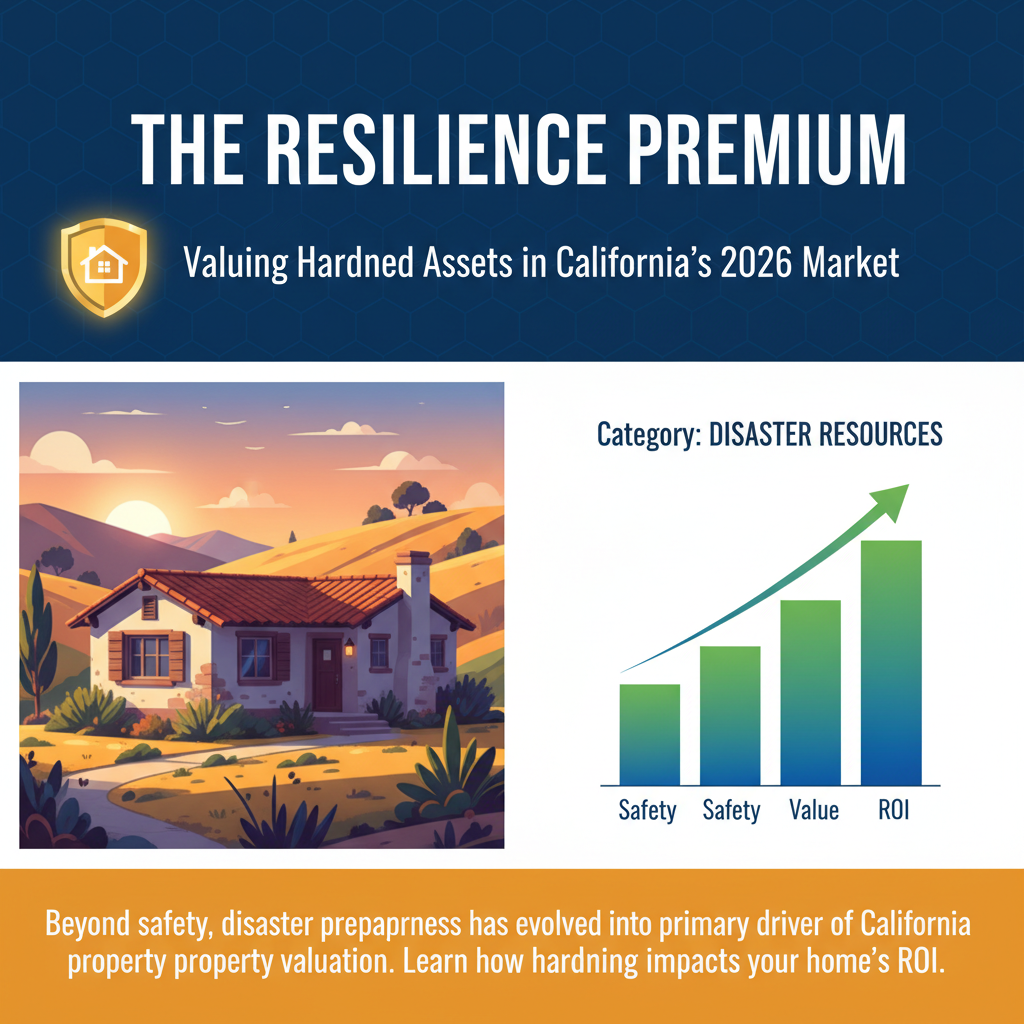
In the California real estate landscape of 2026, disaster preparedness has transcended its origins as a survivalist checklist. Today, it is a sophisticated financial strategy. As climate-related risks—from the 'Big One' seismic projections to the intensifying wildfire seasons—become permanent fixtures in buyer due diligence, 'hardened' homes are commanding a significant market premium. According to recent data from the California Association of Realtors (CAR), homes with certified wildfire-resistant materials and seismic retrofitting sold for an average of 7.4% more in Q1 2026 compared to non-retrofitted counterparts in similar risk zones.
Quantifying the Hardening ROI
For the modern homeowner, the return on investment (ROI) for resilience upgrades is no longer theoretical. The Insurance Institute for Business & Home Safety (IBHS) reports that for every $1 spent on disaster mitigation, an average of $6 is saved in future repair costs and potential value loss. In high-demand markets like the Oakland Hills or the Santa Monica Mountains, properties featuring Class A fire-rated roofs and non-combustible siding are seeing days-on-market (DOM) metrics 15% lower than the regional average.
Investors are also taking note. A 2025 CBRE analysis indicated that institutional buyers in California are increasingly applying 'resilience discounts' to properties lacking modern mitigation features. This means that failing to prepare isn't just a physical risk; it’s a direct hit to a homeowner’s net worth during the appraisal process.
Navigating Seismic and Coastal Risks
While wildfire occupies the headlines, seismic resilience remains the bedrock of California property value. The 2026 market has seen a surge in demand for 'Earthquake Brace + Bolt' (EBB) certified homes. In San Francisco and Los Angeles, where soil liquefaction zones are clearly mapped, homes that have undergone foundation anchoring and cripple wall bracing are viewed as significantly lower-risk assets by lenders and insurers alike.
Furthermore, coastal homeowners are facing the reality of sea-level rise and erosion. Data from the Union of Concerned Scientists (UCS) suggests that by 2030, thousands of California homes could face chronic flooding. Current owners who invest in managed retreat strategies or specialized drainage systems are effectively preserving their equity against 'environmental depreciation' that is already beginning to manifest in 30-year mortgage risk assessments.
Practical Takeaways for the Strategic Homeowner
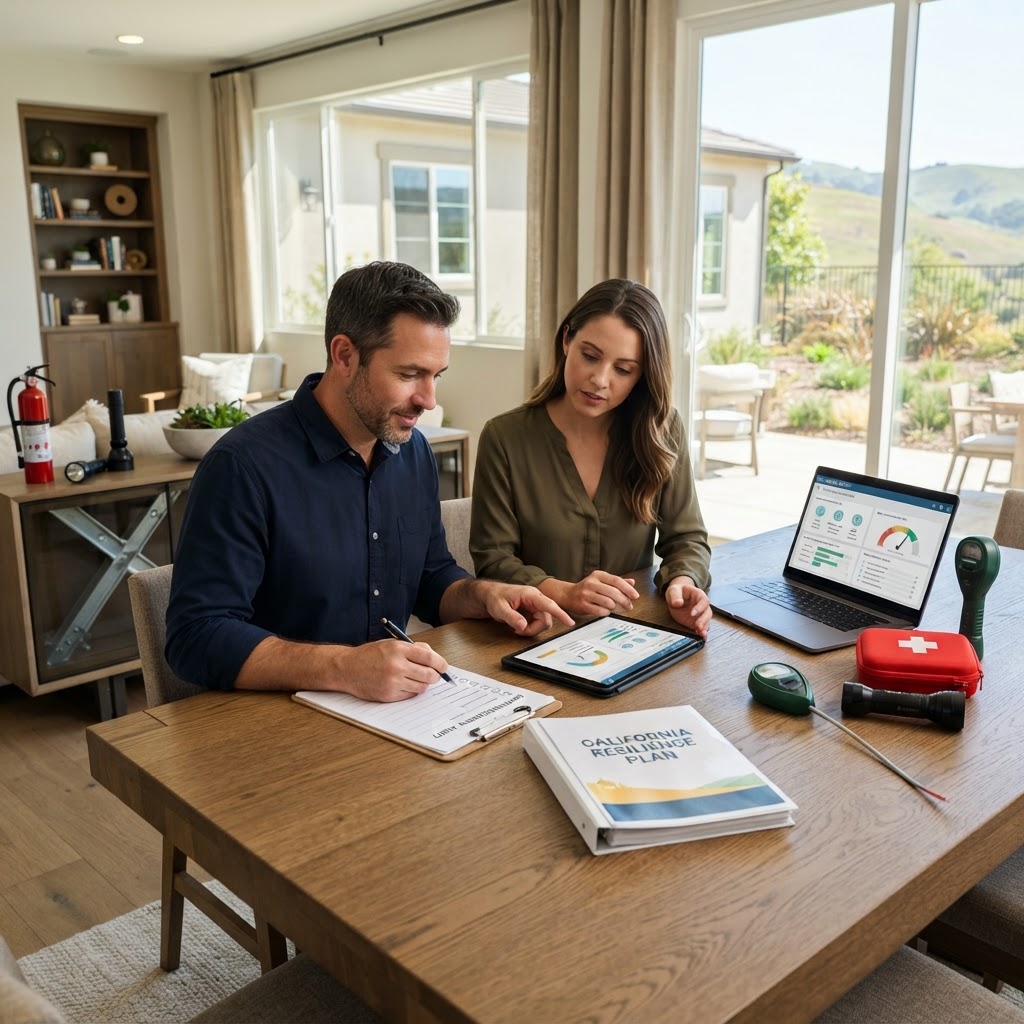
- Audit Your Asset: Before listing or refinancing, obtain a professional resilience audit. Highlighting specific upgrades like ember-resistant vents or earthquake shut-off valves in marketing materials can justify a higher asking price.
- Leverage the 'Resilience Certificate': Utilize certifications from the Wildfire Prepared Home™ program. These third-party validations provide tangible proof of risk reduction that can be used during price negotiations.
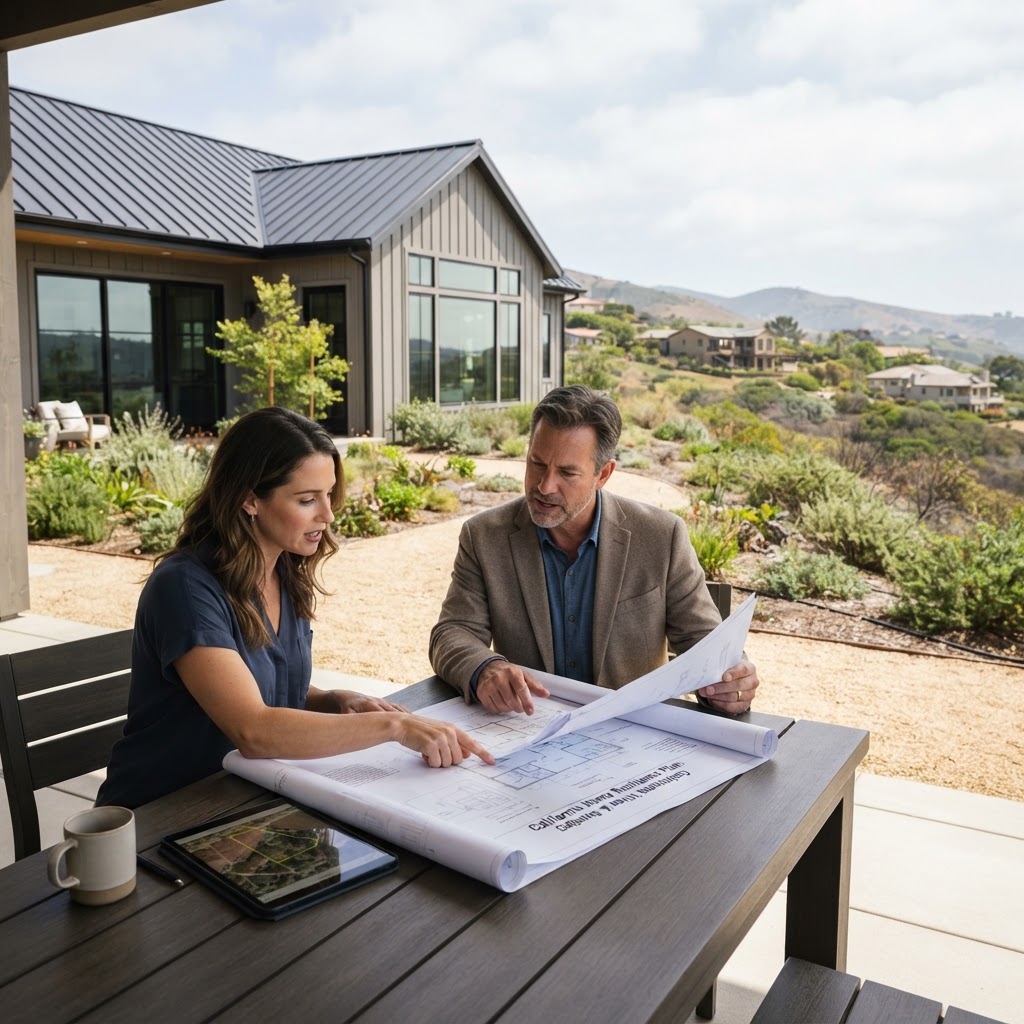
- Prioritize High-Visibility Hardening: Focus on upgrades that provide both protection and aesthetic value. Multi-pane tempered glass windows and drought-tolerant, defensible-space landscaping offer immediate curb appeal while fulfilling safety requirements.
- Consult with Specialized Appraisers: Ensure your appraiser is familiar with the 'Green and Resilient' valuation addendums. Don’t let your $20,000 seismic retrofit be overlooked as a standard maintenance item.
The 2026 Outlook
As we move through the mid-2020s, the bifurcation of the California market is clear: there are resilient assets and there are vulnerable ones. Homeowners who view preparedness through the lens of asset management rather than just emergency planning will find themselves better positioned to weather both the natural elements and the shifting economic tides of the Golden State.