The Shift from Prestige to Practicality in California’s Coastal Markets
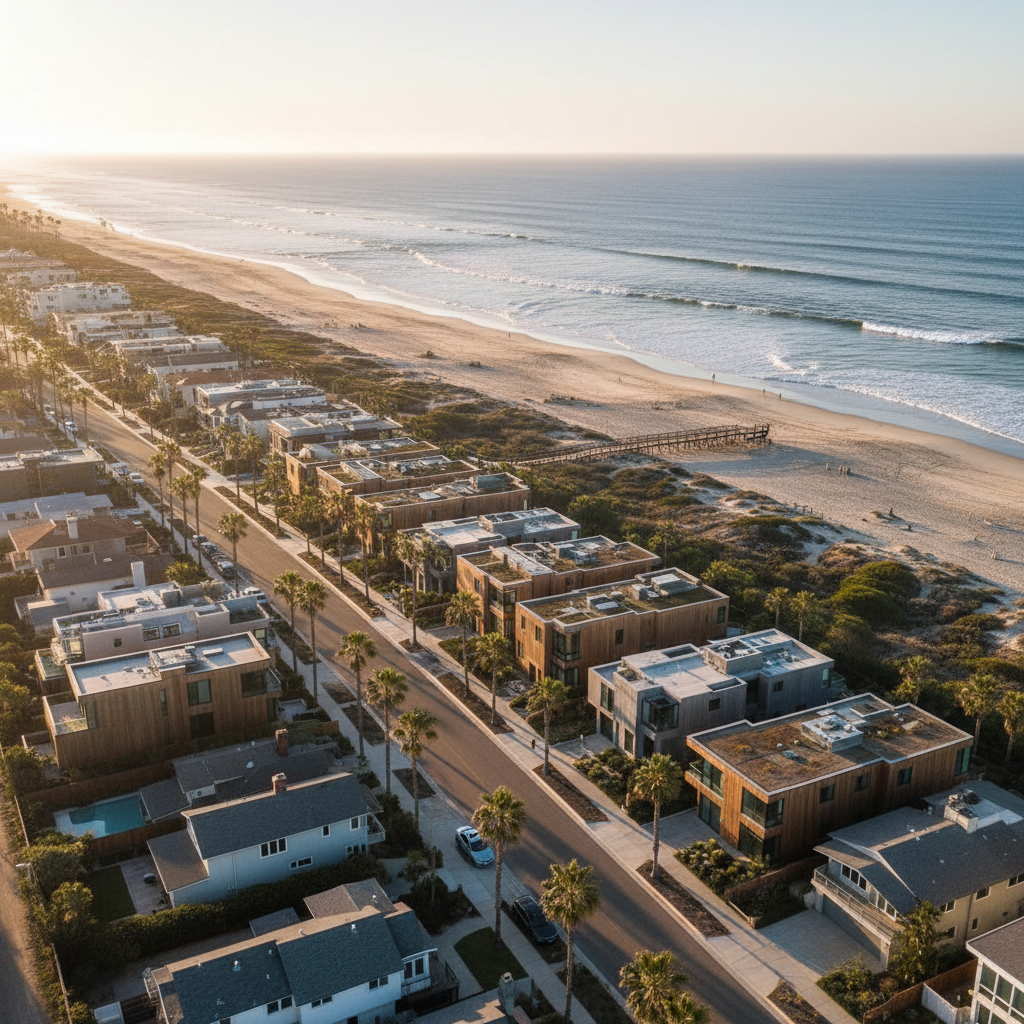
As of May 2026, the California real estate landscape is witnessing a notable divergence in coastal performance. While ultra-luxury enclaves like Malibu and Montecito have reached a pricing ceiling—characterized by longer days-on-market and a 4.2% year-over-year softening in median sales price—a new class of 'Tier-2' coastal cities is emerging as the primary driver of residential alpha. Cities such as Ventura, Oceanside, and Long Beach are capturing the migration of high-earning professionals who are prioritizing municipal revitalization and 'lifestyle-lite' accessibility over the traditional prestige of legacy zip codes.
The Yield Gap: Analyzing the 2026 Data
According to the California Association of Realtors (CAR) April 2026 report, Tier-2 coastal markets have seen a 7.8% increase in median home prices over the last 12 months, significantly outperforming the state average of 3.1%. This growth is underpinned by a specific economic phenomenon: the 'Equity-Swap Migration.' Investors and homeowners are liquidating high-value, low-yield assets in Tier-1 markets and redeploying capital into these emerging coastal corridors where the price-to-rent ratios are more favorable.
- Oceanside, CA: Median price growth of 9.2% YoY, driven by the completion of the downtown transit-oriented development (TOD) projects.
- Long Beach, CA: A 6.5% increase in multi-family valuations as the Port of Long Beach automation projects draw high-skill tech labor.
- Ventura, CA: Inventory remains 18% below 2024 levels, creating a supply-demand imbalance that favors sellers in the $900k–$1.4M range.
Infrastructure as a Catalyst for Appreciation
The 2026 resilience of these markets isn't accidental. It is the result of long-term infrastructure plays. The expansion of the Brightline-adjacent commuter hubs and the 'Coastal Greenline' rail improvements have made these Tier-2 cities viable for the 'three-day-in-office' hybrid worker. CBRE’s 2026 Pacific Outlook notes that commercial vacancies in these sub-markets have dropped to 11%, a stark contrast to the 22% seen in some major metropolitan cores, indicating a robust local economy that supports residential stability.
Practical Takeaways for the 2026 Investor
For those looking to navigate this shift, the following strategies are proving most effective in the current climate:
- Target the 'Second-Tier' Sweet Spot: Focus on properties priced between $850,000 and $1.3 million. This bracket remains the most liquid as it captures both the affluent first-time buyer and the downsizing Boomer.
- Analyze Municipal CAPEX: Prioritize investments in zip codes with active 'Complete Streets' initiatives or recent zoning changes that favor mixed-use density.
- Assess Short-Term Rental (STR) Legality: Many Tier-2 cities have more flexible STR regulations than their Tier-1 neighbors, providing an essential 'safety valve' for cash flow if the long-term rental market softens.
Looking Ahead: The Q3 2026 Outlook
As we move into the second half of 2026, the 'Coastal Infill' trend is expected to accelerate. With the Federal Reserve signaling a 'higher-for-longer' baseline for mortgage rates, the relative affordability of these secondary beach markets provides the only viable entry point for many coastal buyers. For the savvy investor, the play is no longer about the most expensive address, but about the most resilient infrastructure and the most sustainable yield.