The 2026 Preparedness Landscape: From Hardening to Integration
As of May 2026, the California residential market has moved beyond the initial shock of the mid-2020s insurance crisis. The implementation of the California Sustainable Insurance Strategy, finalized in late 2025, has introduced a new paradigm for homeowners. While previous years focused heavily on physical 'home hardening,' the current priority is the Operational Interface: how homeowners interact with state-level resources, real-time alert systems, and the evolving regulatory framework to ensure both physical safety and financial recovery.
The Insurance Milestone: The 2026 Sustainable Strategy
The California Department of Insurance (CDI) has now fully integrated its new rate-making procedures. For the first time, major insurers are required to cover at least 80% of their statewide market share in distressed areas, particularly in the Wildland-Urban Interface (WUI). However, this expanded coverage comes with strict homeowner mandates. According to recent 2026 CDI data, homeowners who actively participate in the 'Safer from Wildfires' regulatory framework are seeing premium credits ranging from 10% to 18%.
The ‘Safety in Numbers’ Discount
In 2026, the individual property is no longer the sole unit of risk. The CDI now prioritizes community-level designations. Homeowners should verify their status within the ‘Firewise USA’ sites, as being part of a recognized neighborhood unit is becoming a prerequisite for many admitted-market carriers. As of Q1 2026, nearly 45% of WUI homeowners have transitioned from the FAIR Plan back to private carriers by meeting these collective mitigation standards.
Leveraging the Cal OES Digital Ecosystem
The technological backbone of California’s resilience has shifted significantly. The California Governor’s Office of Emergency Services (Cal OES) has updated its response interface to include high-resolution predictive modeling accessible to the public. Homeowners must now move beyond simple SMS alerts to the Wireless Emergency Alerts (WEA) 3.0 system, which provides more granular geographical targeting and embedded maps for evacuation routes.
- MyHazards Integration: Homeowners should use the updated MyHazards tool to map not just fire, but the increasing risk of 2026’s ‘Post-Fire Debris Flows’—a critical secondary risk following the heavy 2025 burn season.
- The Listos California Framework: This state-sponsored program now offers localized preparedness kits and multilingual resources that align with current FEMA 72-hour self-sufficiency standards.
The 72-Hour Self-Sufficiency Standard
While the state has increased its rapid response capabilities, the 2026 emergency protocol still emphasizes the 'first 72' hours. With 2026 Census Bureau data indicating that over 25% of Californians live in high-risk zones, state resources can become bottlenecked during concurrent disasters (e.g., an atmospheric river event occurring during a seismic recovery phase).
Practical Takeaways for 2026 Homeowners
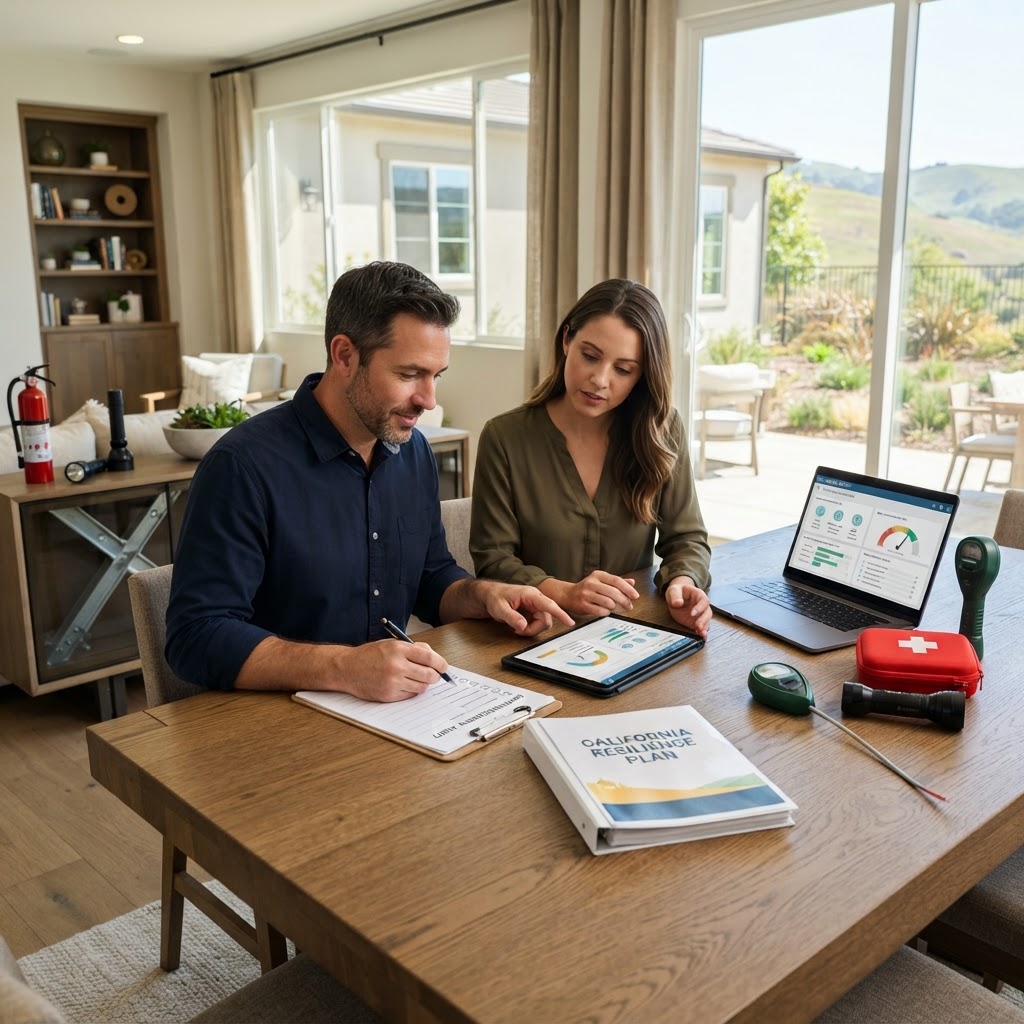
- Audit the Policy Interface: Verify that your insurer has credited your 2025-2026 hardening upgrades (vent screens, 5-foot non-combustible zones) under the new state mandate.
- Activate High-Resolution Alerts: Ensure all household devices are opted into WEA 3.0 and the Cal OES 'MyShake' app, which now provides up to 40 seconds of warning for significant seismic events in the San Andreas and Hayward faults.
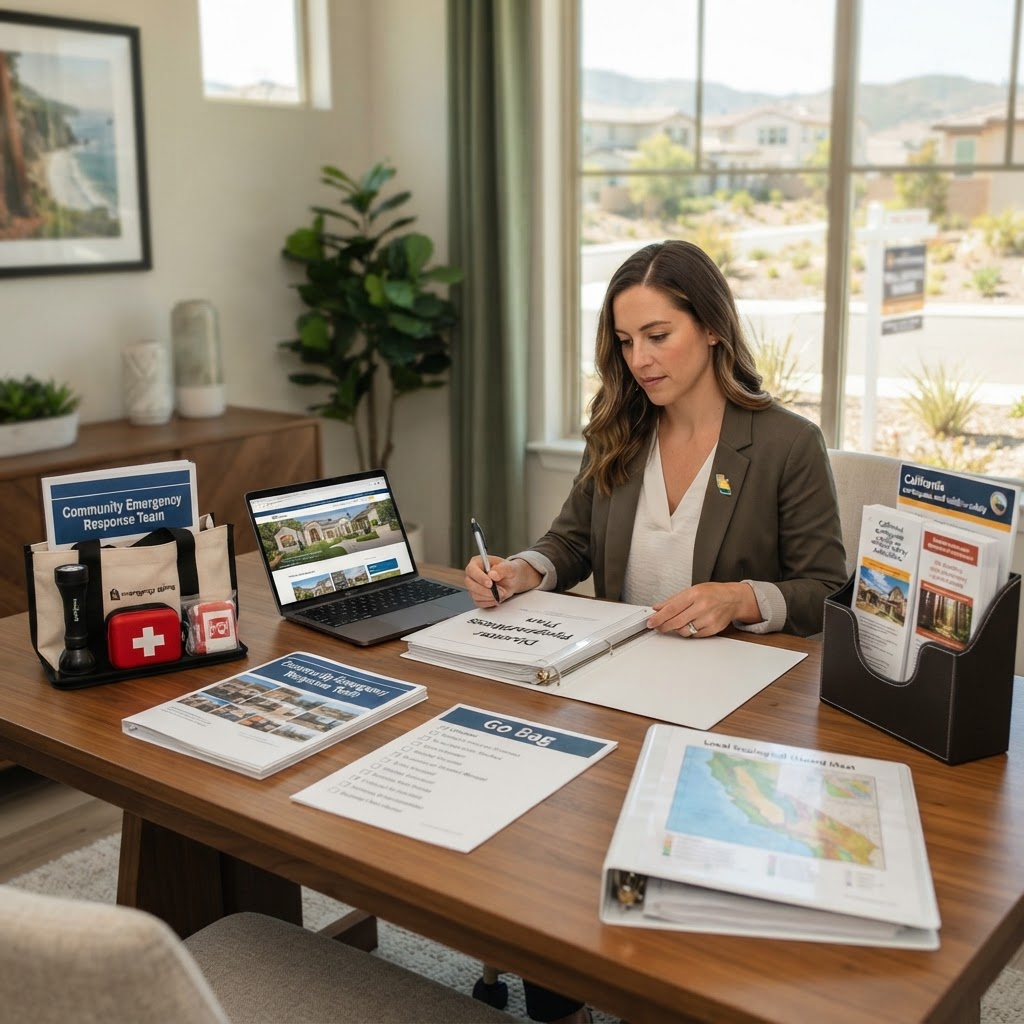
- Map the Local Resource Hub: Identify your nearest 'Community Resilience Center' (CRC). These state-funded hubs, expanded in the 2025 budget, provide filtered air, cooling, and power during Public Safety Power Shutoffs (PSPS).
- Document for the 2026 Claims Process: Use the updated 'Home Inventory' digital tools recommended by the CDI. In the current market, insurers are utilizing AI-driven satellite imagery for rapid claims processing; having your own timestamped, geo-tagged photo evidence is essential for parity in the claims lifecycle.
Conclusion: The Resilience Dividend
In 2026, disaster preparedness is no longer a seasonal checklist but a continuous integration with California’s state-managed systems. By mastering the interface between private insurance mandates and public emergency resources, homeowners can protect their equity and ensure a more rapid return to normalcy after a catastrophic event. Resilience in this decade is measured by how quickly a homeowner can access and utilize the state’s digital and regulatory infrastructure.