The Shift to Parcel-Level Transparency
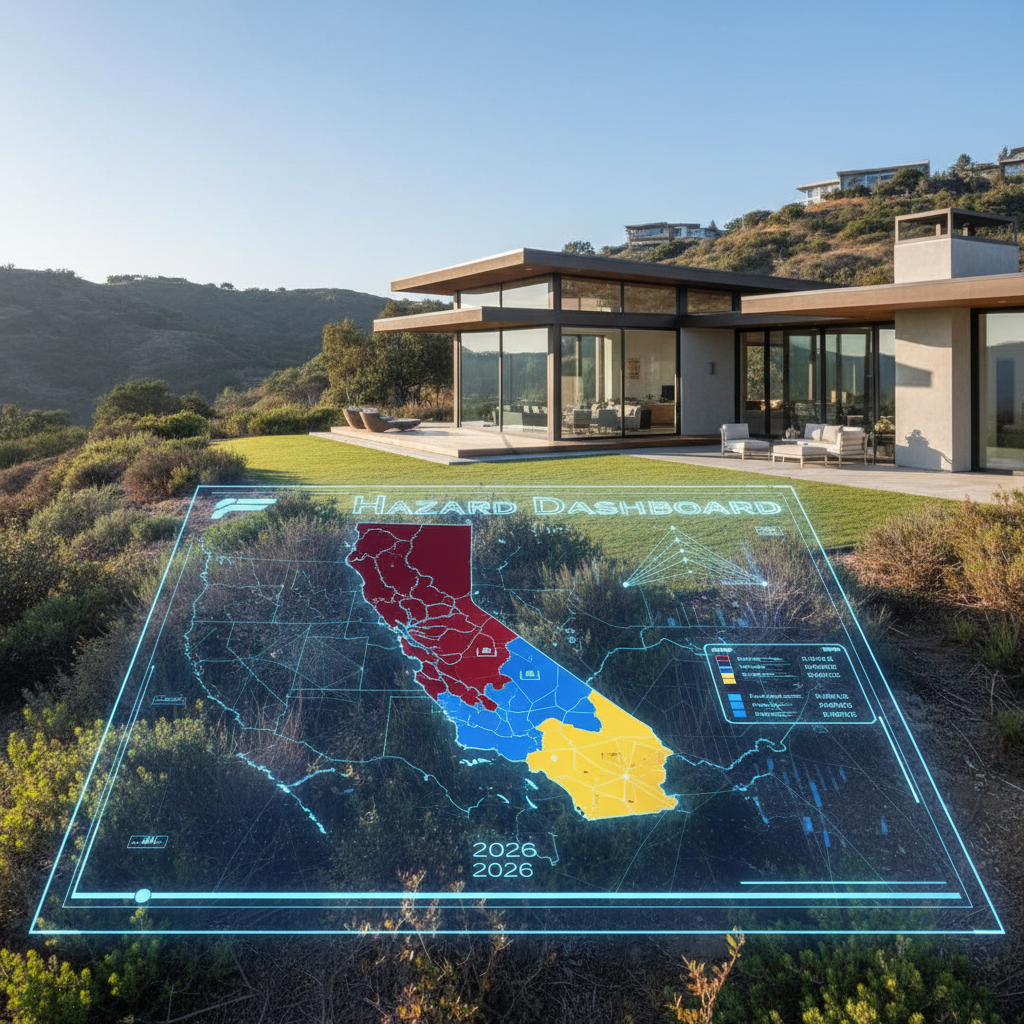
As of May 2026, the California real estate landscape has undergone a fundamental shift in how risk is communicated to homeowners. The broad-stroke 'Hazard Zones' of the early 2020s have been replaced by the California Office of Emergency Services (Cal OES) MyHazards 2.0 platform. This system provides a 'Digital Twin' of every parcel in the state, offering high-resolution data that accounts for micro-topography, wind-tunnel effects, and localized seismic soil liquefaction risks. For the modern homeowner, preparedness is no longer about general kits; it is about interpreting specific data streams.
Data-Driven Resilience: The 2026 Standard
Recent 2026 data from the California Association of Realtors (CAR) indicates that 82% of successful transactions now include a 'Hazard Dashboard Review' during the contingency period. Unlike the generic disclosures of the past, these dashboards provide a Combustibility Index (CI) for individual structures. Properties with a CI below 30 are seeing significantly shorter days-on-market, as they align with the preferred risk profiles of the state’s remaining Tier-1 insurers. According to CBRE research, institutional investors are now filtering California acquisitions through these granular risk-mapping tools before even considering traditional financial metrics.
The Digital Defense: Key Emergency Resources
Homeowners must now integrate their property management with the Statewide Integrated Resilience Network (SIRN). This resource provides real-time updates that go beyond standard weather alerts. Relevant resources include:
- The Cal OES Dashboard: Accesses parcel-specific vulnerability assessments for seismic, flood, and fire risks.
- CEE (California Emergency Egress): A live mapping tool that calculates the most viable evacuation routes based on real-time traffic, fire spread modeling, and road closures.
- The 2026 Retrofit Grant Portal: A centralized hub for accessing state-subsidized funds for properties identified as 'High Risk' by the new mapping standards.
Practical Takeaways for Property Owners
To maintain asset viability and safety in this data-rich environment, homeowners and buyers should adopt the following strategies:
- Audit the Digital Twin: Verify that your property’s digital record accurately reflects recent mitigation work. If you have replaced a roof or cleared defensible space, ensure the Cal OES database is updated to reflect a lower Combustibility Index.
- Prioritize Secondary Egress: 2026 insurance requirements are increasingly looking at 'evacuation viability.' Properties with only one access road are seeing higher premiums; investing in or advocating for community secondary egress is now a high-ROI improvement.
- Leverage the Hazard Score in Negotiations: Sellers should provide a pre-certified Hazard Resilience Report to build buyer confidence. Conversely, buyers can use 'unmitigated' scores as a powerful tool for price adjustments during the inspection phase.
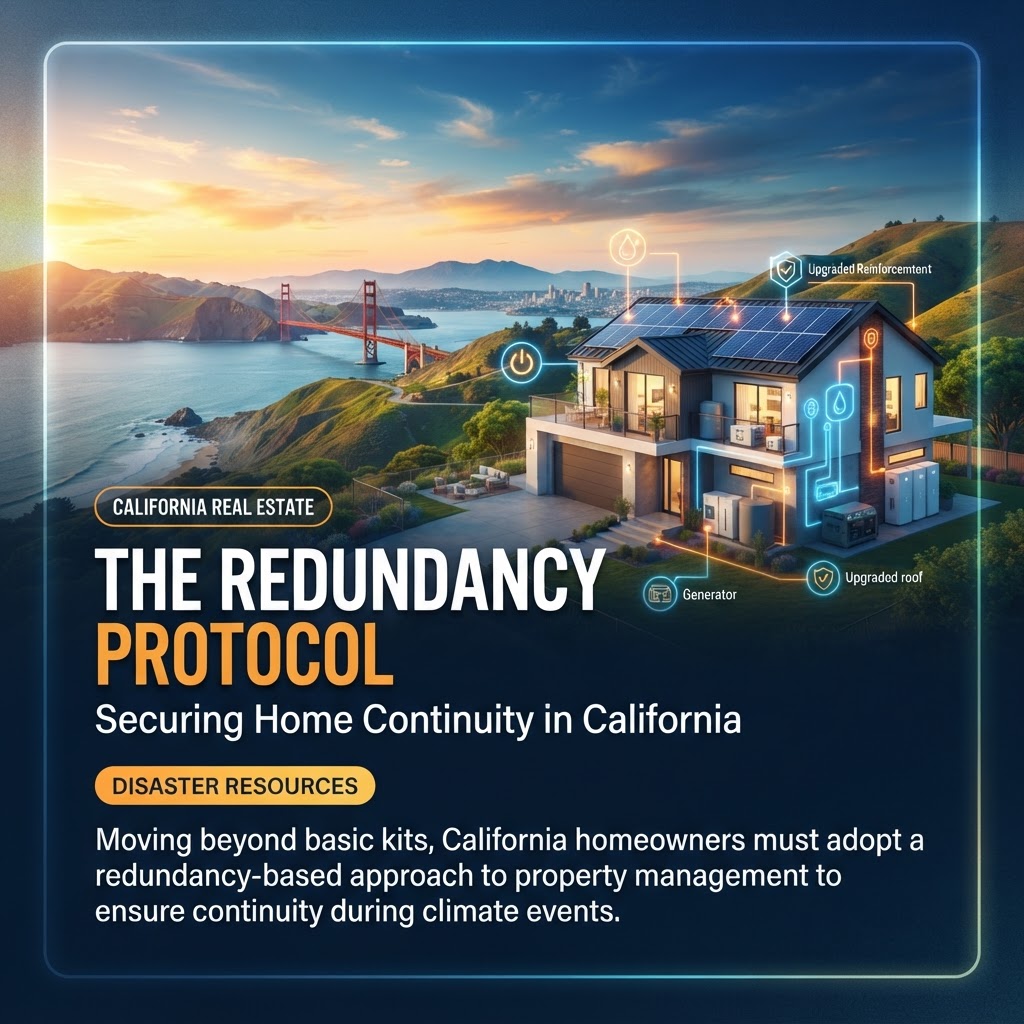
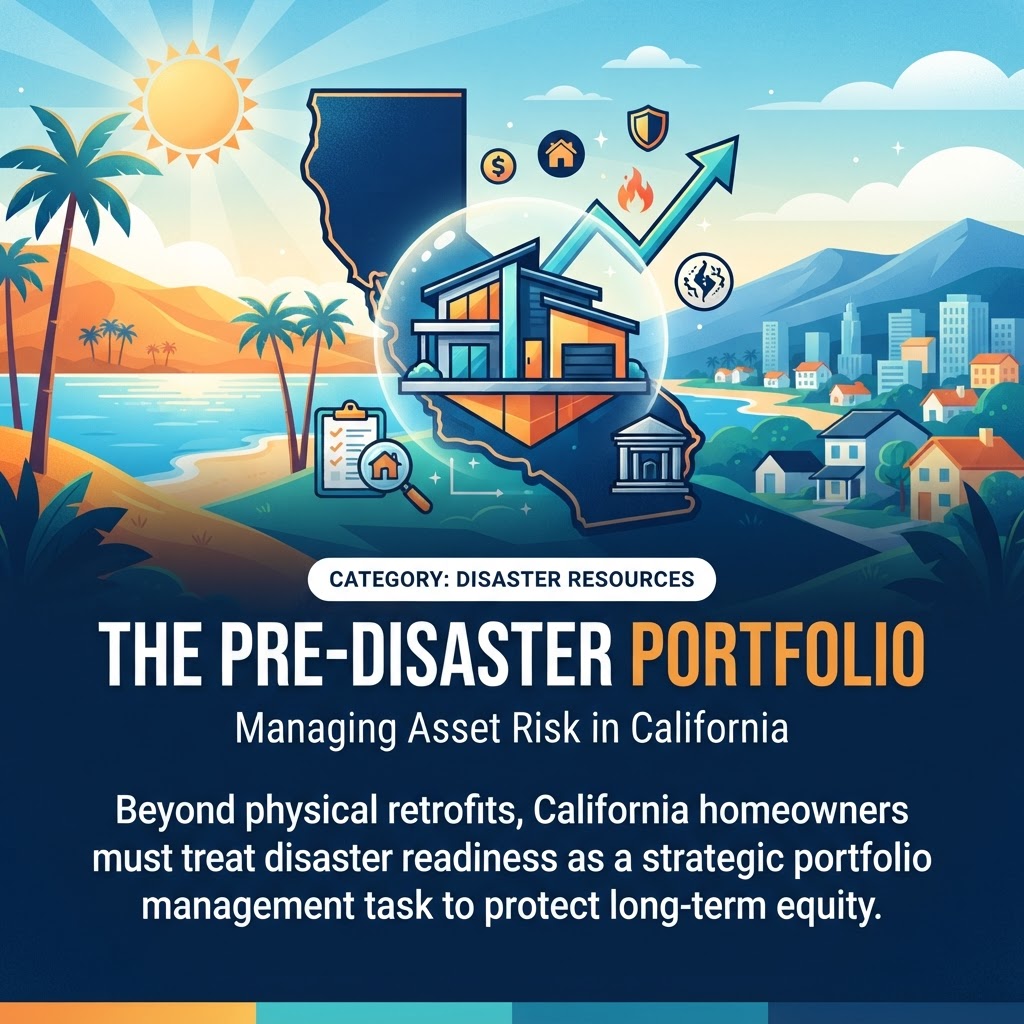
In the 2026 market, resilience is a measurable metric. By moving beyond general preparedness and into the realm of parcel-specific data management, California homeowners can protect both their physical safety and their financial equity.