The Displacement Dilemma in 2026
As of May 2026, California’s housing market remains characterized by a persistent supply-demand imbalance. While much of the recent discourse has focused on structural hardening and insurance pivots, a critical vulnerability remains: the displacement spiral. According to 2025 data from the California Department of Housing and Community Development (HCD), the average displacement period for a homeowner following a major wildfire or seismic event now exceeds 24 months due to labor shortages and permitting backlogs. With statewide rental vacancy rates hovering near a historic low of 3.8%, the financial and psychological cost of displacement has become the primary threat to long-term homeowner resilience.
The Rise of the 'Site Continuity' Strategy
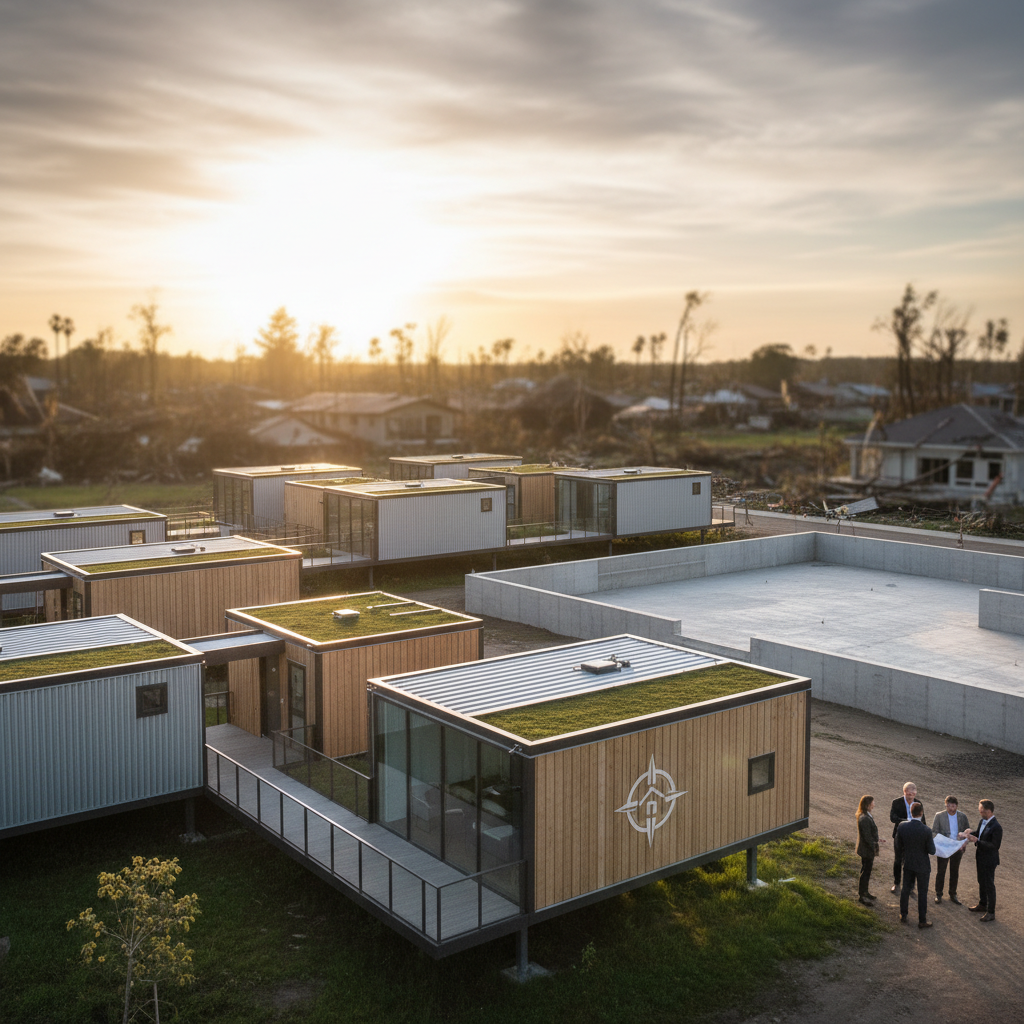
A new paradigm is emerging among proactive California homeowners: the Site Continuity Strategy. This approach treats the property not just as a single structure, but as a multi-use platform capable of supporting life even if the primary dwelling is compromised. Unlike traditional disaster planning, which relies on external relocation, continuity planning focuses on the deployment of high-quality modular units or pre-permitted Accessory Dwelling Units (ADUs) that allow homeowners to remain on their land during the reconstruction phase.
The Role of Emergency Zoning and SB 9
Under current 2026 regulatory frameworks, homeowners are leveraging the expanded rights granted by SB 9 and subsequent local 'Hardship ADU' ordinances. These regulations allow for the expedited placement of temporary, certified modular housing on-site following a declared disaster. For investors and homeowners, the 'Continuity Anchor' serves a dual purpose: it provides immediate post-disaster shelter and functions as a revenue-generating rental or guest house during periods of stability.
Implementing Utility Resilience and 'Stub-Out' Ready Sites
Practical resilience in 2026 requires more than just a go-bag; it requires infrastructure readiness for rapid deployment units. Strategic homeowners are now integrating 'stub-out' utility connections into their landscaping or driveway renovations. This involves pre-installing water, sewer, and electrical hookups that meet California’s Title 24 standards, allowing a modular unit to be connected within 48 hours of delivery.
- Electrical Readiness: Ensuring the main panel has a dedicated 50-amp circuit for a temporary dwelling.
- Sanitation: Installing a clean-out valve that can double as a waste hookup for a FEMA-certified modular unit.
- Communication: Extending fiber-optic or mesh satellite infrastructure to the secondary pad site.
The Financial Advantage of On-Site Recovery
Data from the National Association of Realtors (NAR) suggests that homeowners who remain on-site during reconstruction reduce their total recovery costs by an average of 22%. By maintaining a physical presence, owners can more effectively manage contractors, prevent site theft, and avoid the 'displacement tax'—the inflated cost of short-term rentals in a post-disaster zone. Furthermore, maintaining owner-occupancy status on the land can have significant implications for retaining California’s Prop 19 tax basis protections and complying with primary residence requirements for insurance payouts.
Strategic Takeaways for Homeowners
- Audit Local Hardship Ordinances: Consult with municipal planning departments to identify specific 'Emergency Housing' fast-track permits available in your jurisdiction.
- Invest in Utility Stub-Outs: When performing any grading or trenching work, install pre-permitted utility connections to a designated 'recovery pad' on your property.
- Review Modular Partnerships: Identify manufacturers of California-certified modular units that offer 'priority delivery' contracts for disaster victims, often available through certain membership-based resilience groups.
- Insurance Synchronization: Ensure your 'Loss of Use' coverage is calibrated to cover the lease or purchase of an on-site modular unit rather than just traditional hotel or rental expenses.
The 2026 landscape demands a transition from passive protection to active operational continuity. By securing the ability to remain on-site, California homeowners are not just protecting a building; they are anchoring their financial and social stability against the inevitable volatility of the regional climate.