The Administrative Front Line of California Resilience
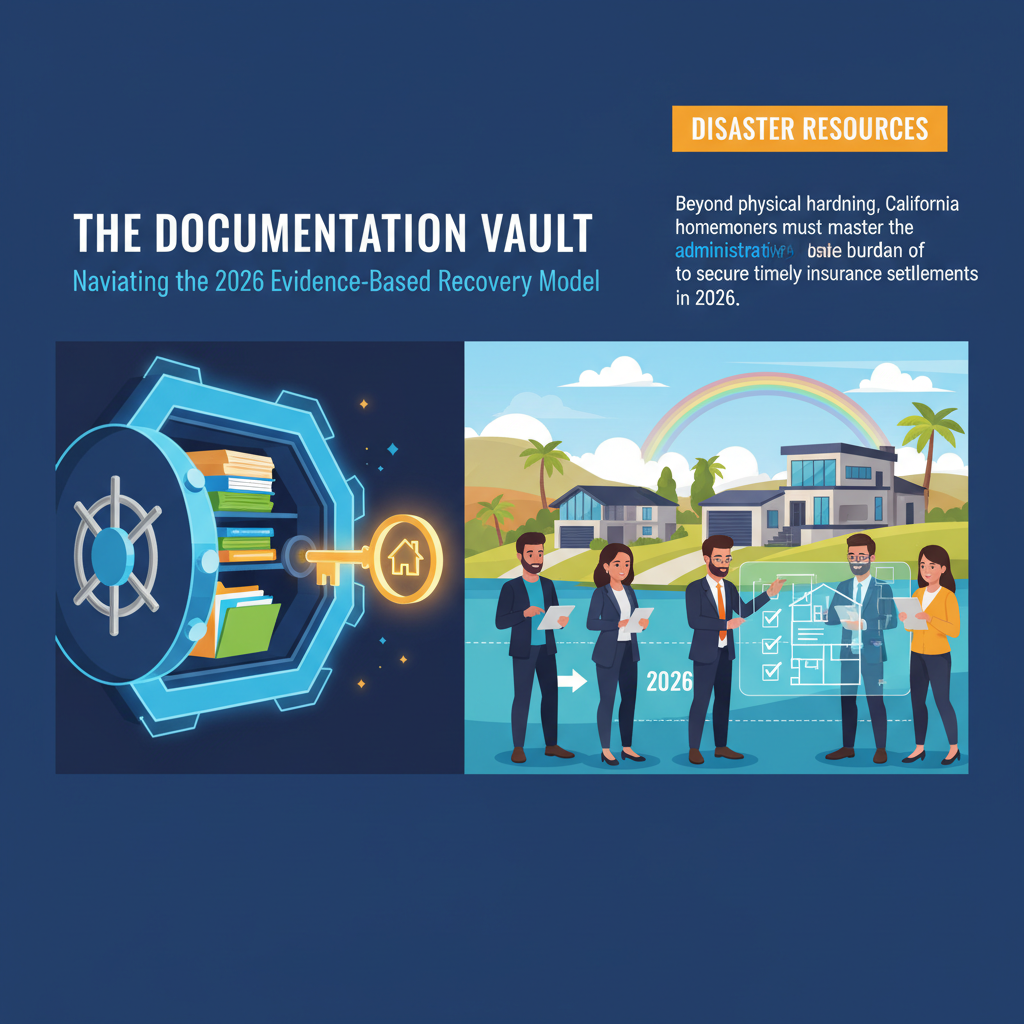
By May 2026, the landscape of California homeowner protection has shifted from mere structural hardening to what industry experts call "Evidentiary Readiness." While physical retrofits protect the frame, the 2026 recovery environment demands a digital twin of every asset to bypass the administrative bottlenecks currently plaguing the California Department of Insurance (CDI) claims pipeline.
The 2026 Data Mandate
According to data from the Insurance Information Institute (III), homeowners who maintain a cloud-synced digital inventory see claim settlement cycles that are 45% shorter than those relying on post-disaster memory. With the median home price in California hovering near $900,000 as of early 2026, the difference between a fast settlement and a protracted dispute can represent a significant swing in equity retention. In a market where construction labor remains at a premium, being first in the settlement queue is the ultimate resilience strategy.
Establishing the Continuity of Residency
Disaster preparedness now requires more than a go-bag; it requires an "Administrative Vault." Under the 2026 revisions to the California Homeowners Bill of Rights, insurers are increasingly utilizing AI-driven loss adjusters. These systems prioritize claims backed by timestamped, high-resolution metadata. Homeowners should maintain off-site digital copies of: 1. Property permits for all upgrades; 2. Current "Proof of Habitability" certifications; and 3. Detailed receipts for resilience installations. This documentation serves as the legal foundation for "Loss of Use" claims, which provide the liquidity necessary to maintain a standard of living during reconstruction.
Practical Resilience Takeaways
- Implement a Bi-Annual Digital Sweep: Use LIDAR-enabled mobile apps to create a 3D scan of your home interior every six months to provide indisputable evidence of condition and contents.
- Secure the "Golden Records": Ensure all title documents, insurance policies, and appraisal reports are stored in a decentralized, encrypted cloud environment accessible via mobile devices during an evacuation.
- Verify Policy-to-Cost Alignment: With California construction costs rising significantly into 2026, homeowners must review "Extended Replacement Cost" riders quarterly to ensure their coverage matches the 2026 localized building index.