The Shift from Voluntary to Mandatory Resilience
As of May 2026, the California real estate landscape has undergone a fundamental shift. Disaster preparedness is no longer a matter of individual discretion; it has become a rigid component of property compliance and transactional law. With the implementation of the 2025-2026 legislative session's expanded safety protocols, homeowners and sellers face a new reality where 'home hardening' is a prerequisite for marketability.
The AB 38 Expansion: Defensible Space 2.0
Building on the foundations of Assembly Bill 38, California now mandates rigorous defensible space inspections for all properties located in High or Very High Fire Hazard Severity Zones (VHFHSZ). According to recent CAL FIRE data, inspection requests have surged by 42% year-over-year as the state moves toward a proactive enforcement model.
Sellers are now required to provide documentation of a passed inspection within six months of closing. Failure to meet these standards—which include non-combustible zone requirements within five feet of the structure—has become a leading cause of escrow delays. In 2025, the California Association of Realtors (CAR) noted that roughly 18% of transactions in affected zones faced price renegotiations due to non-compliance issues identified during the inspection phase.
Seismic Retrofitting and the 2026 CEBC Updates
Beyond fire hazards, the 2026 update to the California Existing Building Code (CEBC) has introduced stricter triggers for mandatory seismic retrofitting. For homeowners in designated seismic hazard zones, specific renovations exceeding a $75,000 valuation now trigger a requirement to address 'cripple wall' bracing and foundation anchoring.
Data from the Earthquake Brace + Bolt (EBB) program suggests that retrofitted homes maintain a 5% to 7% valuation premium over non-retrofitted counterparts in high-risk census tracts. For investors, the calculation has changed: the cost of compliance must now be factored into the initial acquisition strategy to avoid unforeseen capital expenditures during the hold period.
The Insurance Link: Documentation as Currency
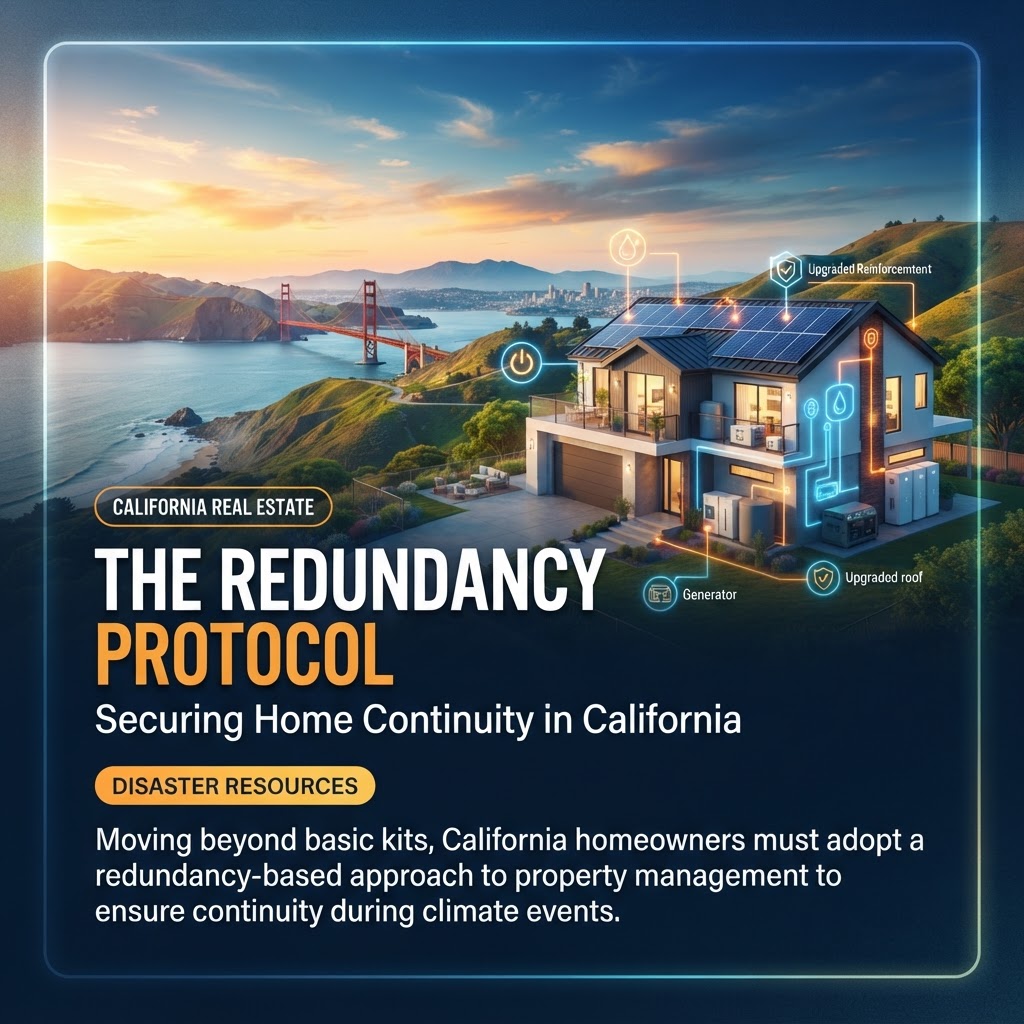
The 2026 insurance market has evolved to reward transparency. With the California Fair Plan and private carriers increasingly utilizing satellite-based AI to assess risk, homeowners must maintain a 'Hardening Dossier.' This documentation, which includes receipts for ember-resistant vents and Class A roofing, is becoming essential for securing preferred rates.
According to recent industry analysis, homeowners who proactively submit certified retrofitting and hardening documentation are seeing premium stabilizations, whereas those relying on legacy assessments face annual rate increases of up to 25%.
Practical Takeaways for the 2026 Homeowner
- Schedule Early: If selling in a VHFHSZ, request your CAL FIRE defensible space inspection at least 60 days before listing to allow time for remedial landscaping.
- Audit Your Venting: The most cost-effective hardening measure remains the installation of 1/16th-inch mesh, ember-resistant vents. This small upgrade is now a top-tier recommendation in standard home inspections.
- Verify Local Ordinances: Several jurisdictions, including Los Angeles and Berkeley, have implemented 'Retrofit-on-Sale' ordinances that go beyond state requirements. Always check municipal codes before setting a closing date.
- Leverage State Grants: Utilize the California Residential Mitigation Program (CRMP) for subsidies on seismic bracing, which can cover up to $3,000 of the retrofitting costs for qualifying households.
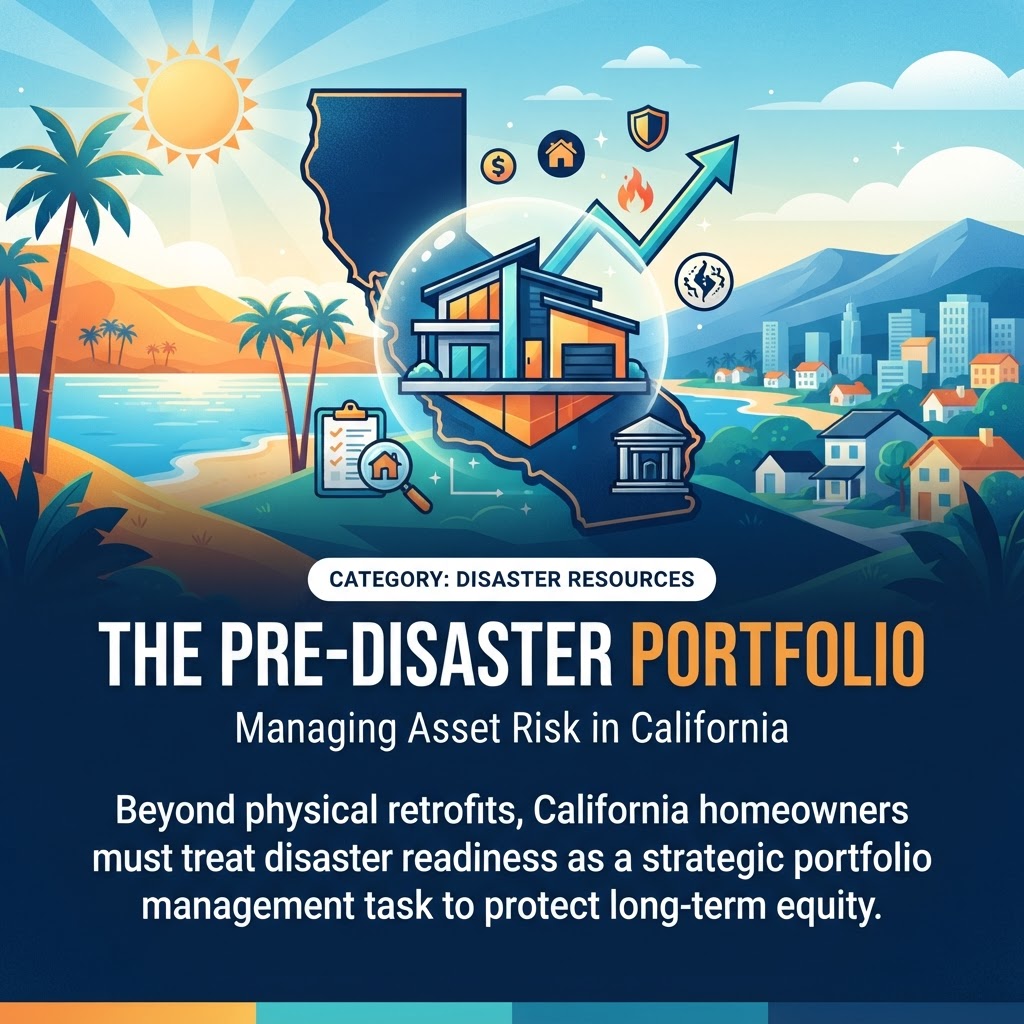
In 2026, resilience is the new standard of value. By moving beyond basic preparedness and embracing these regulatory mandates, California homeowners can protect not just their physical safety, but their financial equity in an increasingly risk-conscious market.