The New Risk Landscape: Beyond Structural Hardening
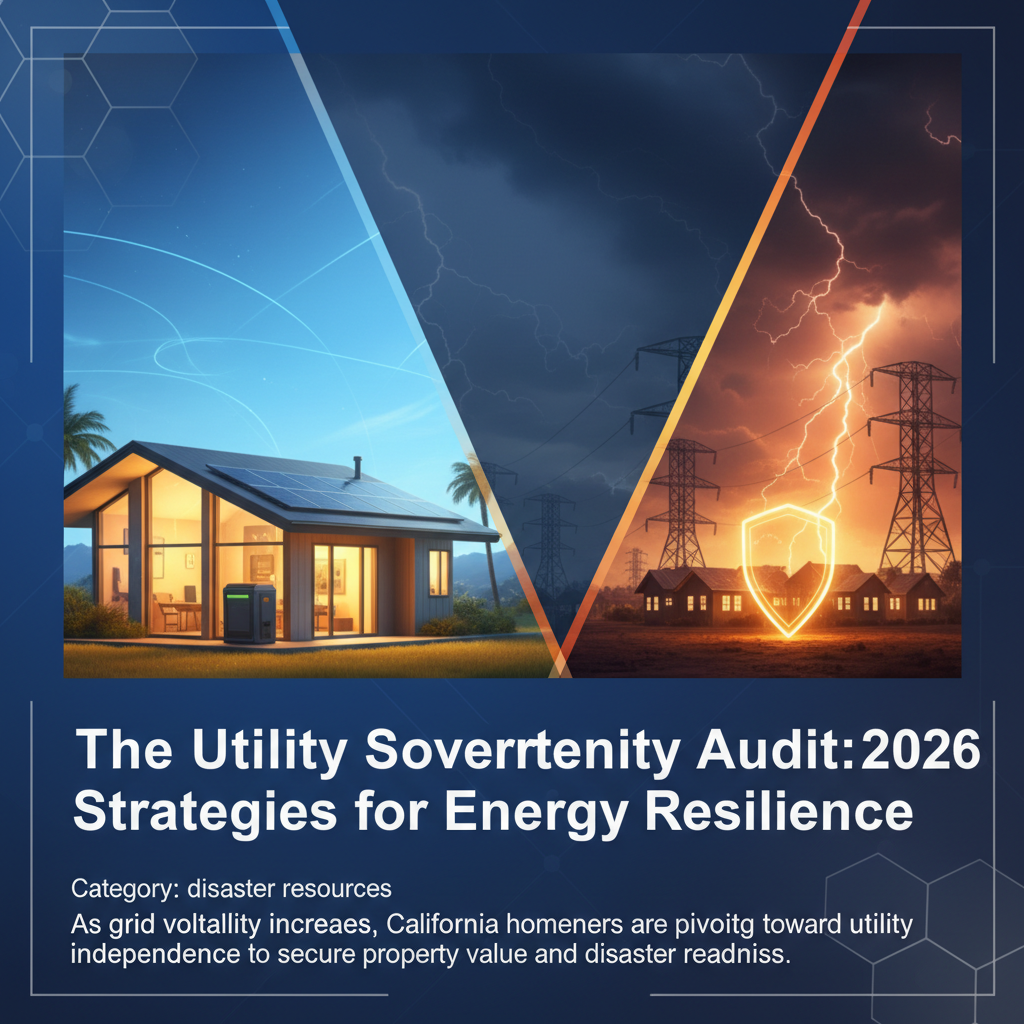
In 2026, California homeowners face a dual-threat environment: the traditional risk of catastrophic wildfire and the increasing frequency of Public Safety Power Shutoffs (PSPS) or heat-wave induced grid failures. According to data from the California Public Utilities Commission (CPUC), the state saw a 14% increase in localized grid interruptions during the 2025 calendar year. For the modern homeowner, disaster preparedness is no longer just about surviving a fire—it is about maintaining utility sovereignty to prevent secondary property loss, such as mold from failed HVAC systems or electronic hardware damage from surge volatility.
The Insurance Incentive: Battery Storage and Premium Credits
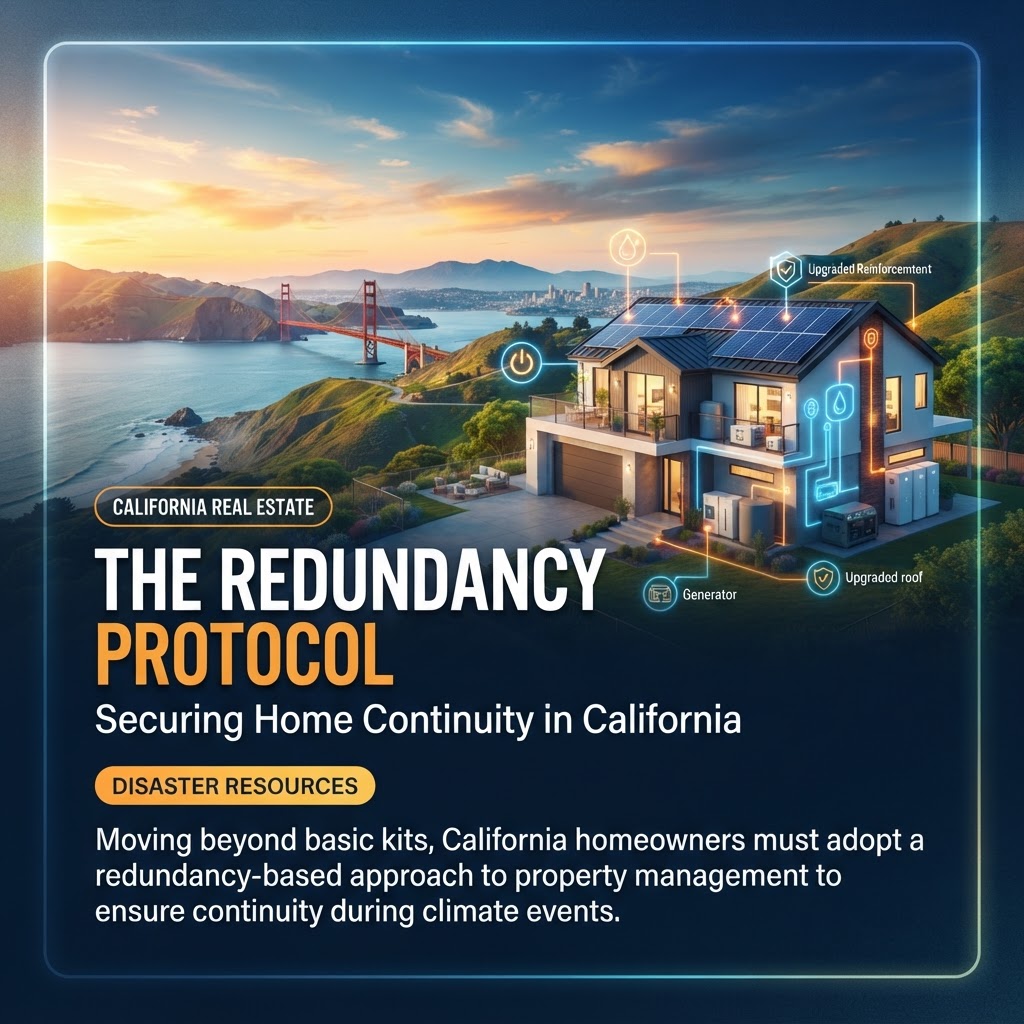
A pivotal shift in the 2026 insurance market is the wider adoption of premium credits for energy-resilient properties. Following the 2025 Insurance Modernization Act, several major carriers now offer a 'Resilience Credit'—ranging from 3% to 7% off annual premiums—for homes equipped with UL-certified battery storage systems (such as the Tesla Powerwall 3 or Enphase IQ8) coupled with smart panels. This reflects data from the National Association of Realtors (NAR) showing that California homes with integrated energy storage sold for an average of 4.2% more than their non-resilient counterparts in the first quarter of 2026. These systems do more than provide comfort; they ensure that critical safety infrastructure, including smart leak detectors and security cameras, remains operational during a disaster.
Emergency Resources and Regulatory Support
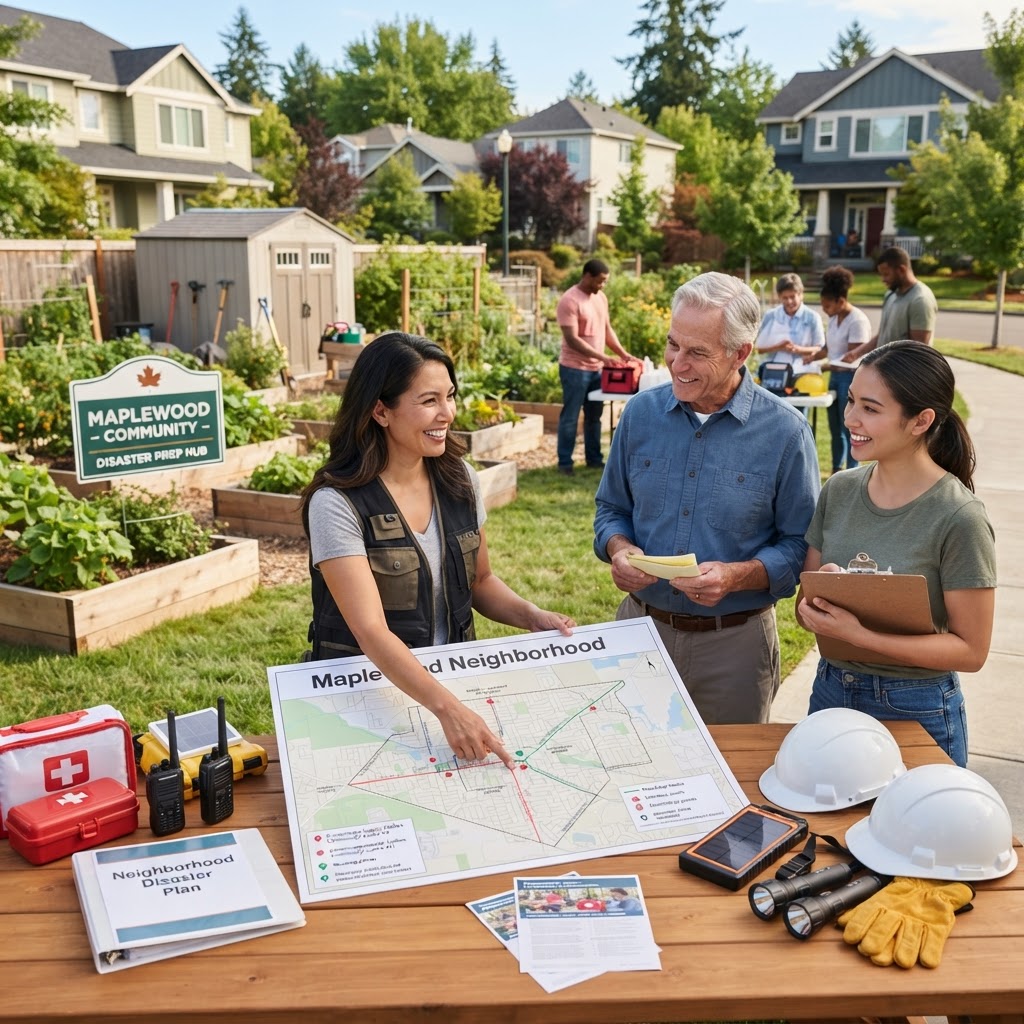
California homeowners should leverage the 2026 expansion of the Self-Generation Incentive Program (SGIP), which now provides tiered rebates specifically for those in High Fire Threat Districts (HFTD). Additionally, the California Governor’s Office of Emergency Services (CalOES) has integrated a 'Microgrid Registry' into its MyHazards tool, allowing homeowners to signal their energy independence to first responders. This data point is critical during large-scale evacuations, as it helps utilities prioritize load-shedding areas without impacting homes that serve as neighborhood 'connectivity hubs' during crises.
Practical Takeaways for Property Owners
1. Conduct a Load Criticality Audit
Homeowners should categorize electrical loads into 'Essential' (refrigeration, medical devices, emergency lighting) and 'Discretionary.' In 2026, many investors are installing dual-circuit smart panels that automatically shed non-essential loads when grid frequency drops, extending battery life by up to 48 hours during a disaster event.
2. Verify 'Grid-Tied' vs. 'Island-Capable' Systems
Not all solar installations function during a blackout. Ensure your system features an automatic transfer switch (ATS) or micro-inverters capable of 'islanding'—operating independently from the grid. Without this, your solar array is legally required to shut down during a power outage to protect utility workers.
3. Leverage Virtual Power Plant (VPP) Participation
New 2026 programs allow homeowners to trade stored energy back to the grid during peak demand. This not only offsets the cost of the hardware but ensures the homeowner is part of a broader community resilience network, reducing the overall likelihood of rolling blackouts in their specific ZIP code.
Conclusion
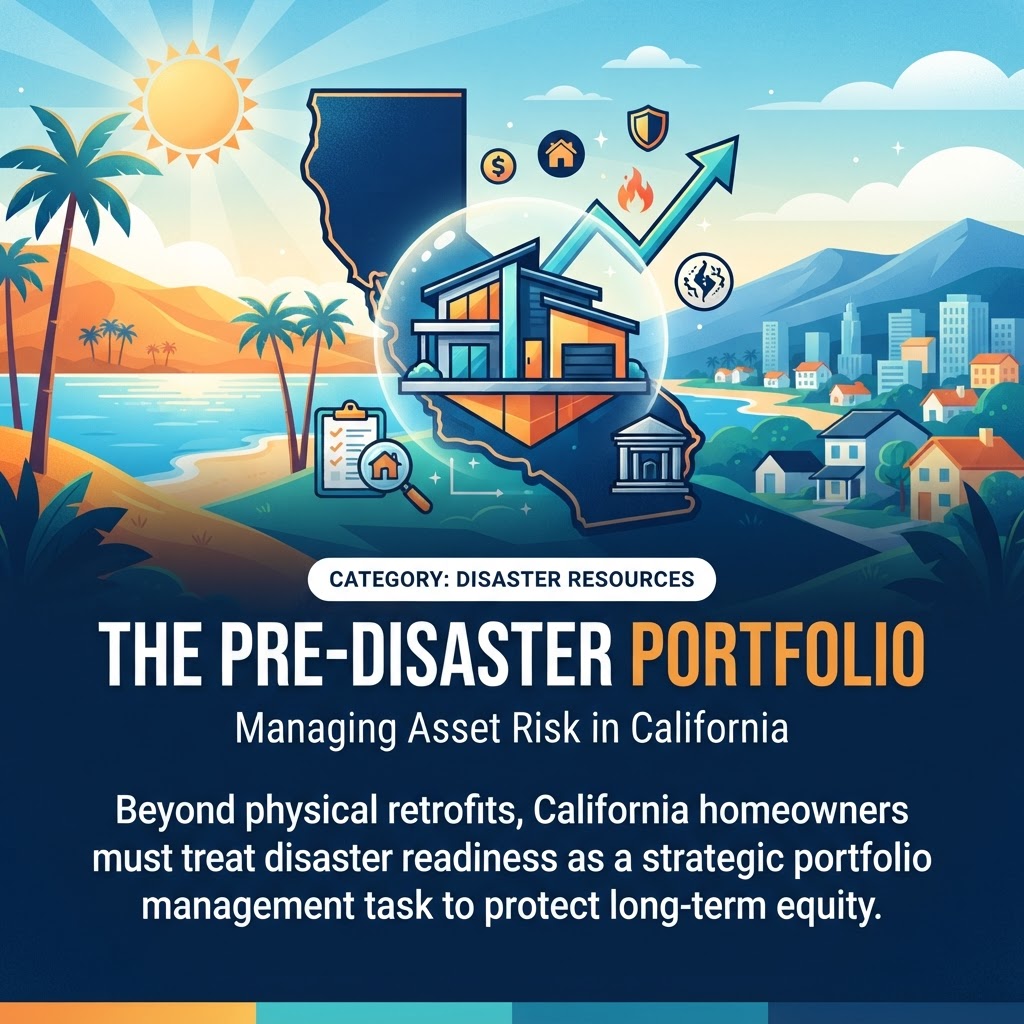
As we enter the peak disaster season of 2026, the definition of a 'safe' home has evolved. By auditing utility sovereignty and securing energy independence, California homeowners protect not just their physical safety, but their financial equity and insurance eligibility in an increasingly volatile climate.