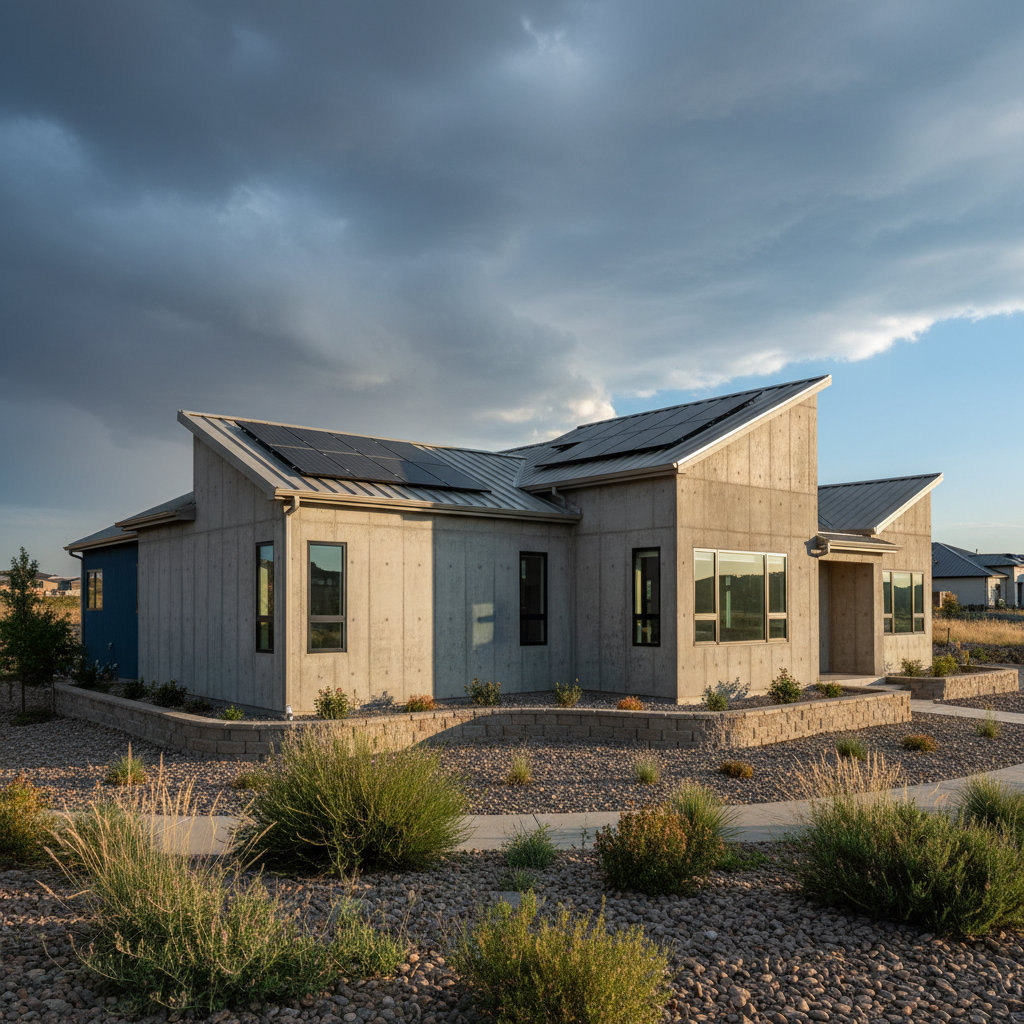
The Shift from Survival to Marketability
As of April 2026, the California real estate market has reached a tipping point where climate resilience is no longer a luxury feature—it is a core component of property valuation. With the California Earthquake Authority (CEA) and private insurers recalibrating risk models, homeowners who proactively harden their structures are seeing a distinct 'resilience premium.' Data from recent MLS entries suggests that homes with documented seismic retrofitting and Class A fire-rated materials command a 5% to 7% price premium in high-risk WUI (Wildland-Urban Interface) zones compared to non-hardened peers.
Seismic Strengthening: The Brace and Bolt ROI
Earthquake risk remains a primary concern for California's aging housing stock. For homes built before 1980, seismic retrofitting—specifically 'brace and bolt' interventions—offers one of the highest returns on investment in the 2026 market. According to the CEA, a code-compliant retrofit can reduce annual earthquake insurance premiums by up to 25%. For an investor or seller, this reduced cost of ownership is a significant selling point. Beyond insurance, structural stabilization prevents the 'red-tagging' that can render a property a total loss following a major event, protecting the underlying land value and the equity built over decades.
Fire-Hardening the Envelope
While 2026 regulations have tightened, the most savvy homeowners are going beyond the minimum requirements of California’s Office of the State Fire Marshal. Strategic resilience involves a three-tier approach to the home's exterior envelope:
- Non-Combustible defensible zones: Replacing wood decking with stone or composite materials within the first five feet of the structure.
- Vulnerability sealing: Upgrading to 1/16-inch stainless steel mesh for soffit and crawlspace vents to prevent ember ignition, a leading cause of home loss in wildfire events.
- Roofing and Gutters: Transitioning to metal or high-grade asphalt shingles with integrated gutter guards that prevent the accumulation of flammable debris.
Navigating the 2026 Insurance Landscape
The insurance crisis of the mid-2020s has stabilized somewhat, but the 'Fair Access to Insurance Requirements' (FAIR) Plan remains a reality for many. To move back into the voluntary (private) market, homeowners must provide verifiable proof of mitigation. This includes 'Wildfire Prepared Home' designations from the Insurance Institute for Business & Home Safety (IBHS). Investors should maintain a 'Resilience Dossier' for every property, containing receipts, contractor certifications, and photos of retrofits, which can be presented to underwriters to secure more favorable rates or higher coverage limits.
Strategic Takeaways for Homeowners
To maximize both safety and asset value in the current California climate, homeowners should act on the following:
- Conduct a Professional Resilience Audit: Move beyond standard inspections to hire a specialist in seismic and wildfire structural hardening to identify specific vulnerabilities.
- Leverage State Incentives: Utilize the 2026 cycle of 'Earthquake Brace + Bolt' grants, which can provide up to $3,000 for qualifying residential retrofits.
- Document for Appraisal: Ensure that all resilience upgrades are noted in the 'Special Features' section of appraisal reports to ensure the cost of upgrades is reflected in the final valuation.
- Maintain Defensible Space: In 2026, consistent vegetation management is a year-round requirement. Failure to maintain a 100-foot buffer can trigger immediate policy non-renewals in high-risk zip codes.


