The Great Geographic Rebalancing
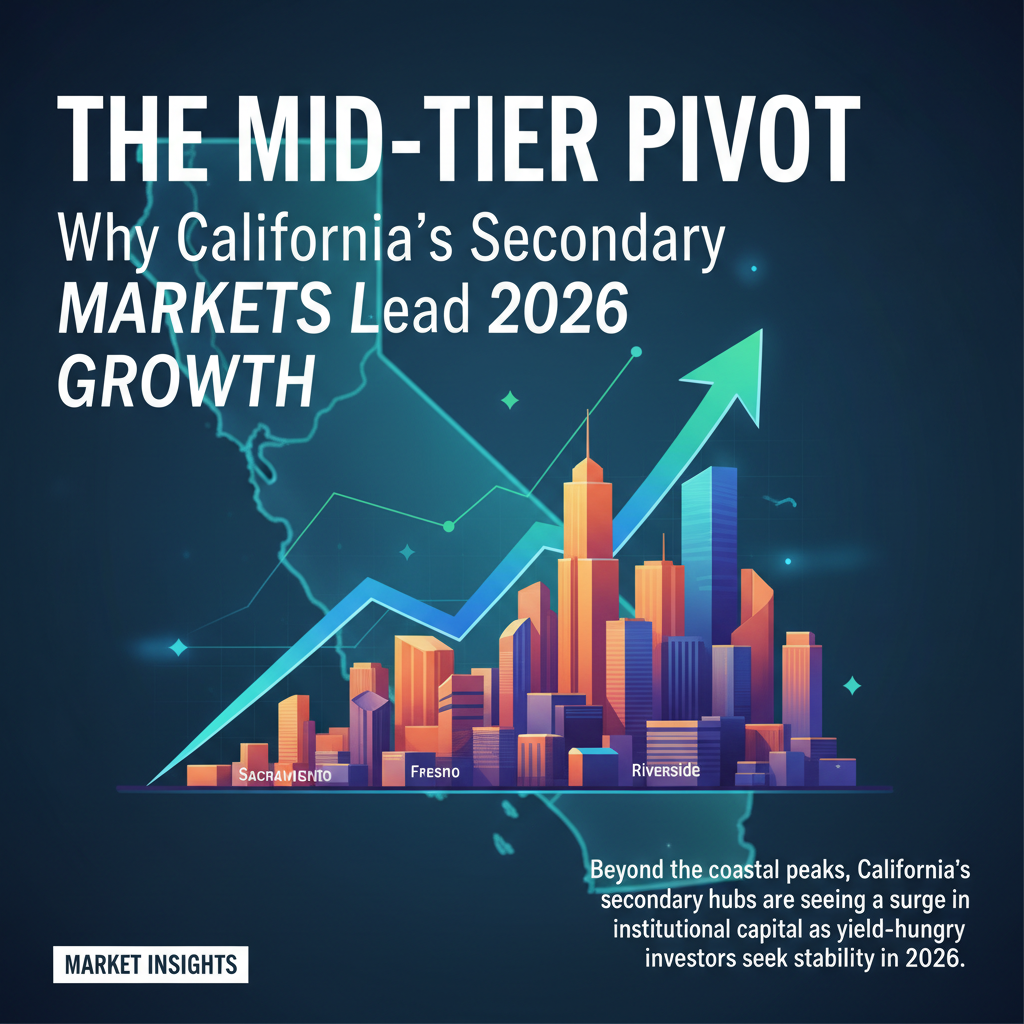
As we enter the second quarter of 2026, the California real estate landscape is witnessing a structural shift that few analysts predicted at the start of the decade. While San Francisco and Los Angeles have historically been the primary magnets for institutional capital, the 2026 data reveals a definitive rotation toward California’s secondary hubs. Cities like Sacramento, Fresno, and the Inland Empire are no longer viewed as mere ‘overflow’ markets; they have become the primary engines of statewide ROI.
The Yield Gap: By the Numbers
The primary driver of this migration is the widening yield spread between coastal and inland assets. According to recent Q1 2026 data from CBRE, Class-A multi-family cap rates in the San Francisco Bay Area have compressed to a tight 4.1%, whereas comparable assets in the Greater Sacramento area are trading at a significantly more attractive 5.7%. This 160-basis point spread is attracting a new class of institutional buyer that previously avoided the Central Valley.
- Sacramento: 12% year-over-year increase in commercial investment volume.
- Inland Empire: Residential inventory turnover is 22% faster than in coastal Orange County.
- Fresno: Rental growth has outpaced the state average by 4.5% as remote-hybrid work models solidify.
Infrastructure Maturity as a Valuation Catalyst
The ‘Mid-Tier Pivot’ is not merely a search for cheaper dirt; it is supported by significant infrastructure maturation. By April 2026, the expansion of high-speed transit links and the completion of regional logistics hubs have integrated these secondary markets into the global supply chain more effectively than ever before. Real estate valuations in these regions are now reflecting ‘connectivity premiums’ that were previously exclusive to the coastal cores.
The Millennial Middle-Age Migration
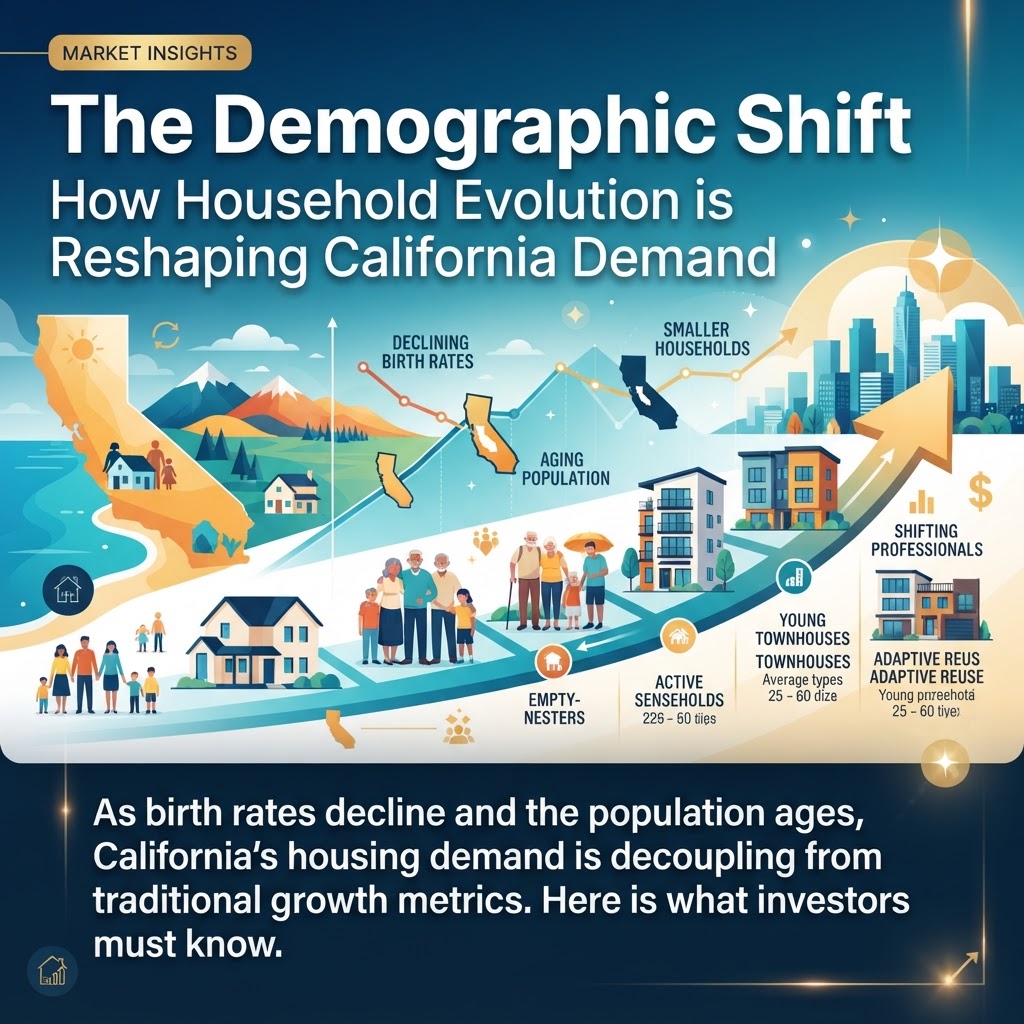
Census Bureau data from 2025, now manifesting in the 2026 spring buying season, shows a peak in the ‘Millennial Middle-Age’ migration. As this massive demographic cohort moves into their peak earning years, their demand for larger, suburban-adjacent footprints has pushed them into the secondary markets. Unlike the ‘flight’ seen in 2020, the 2026 migration is characterized by permanent relocation supported by localized job growth in healthcare, logistics, and renewable energy sectors within these inland hubs.
Practical Takeaways for Investors and Owners
For those looking to capitalize on this geographic rotation, the following strategies are proving most effective in the current 2026 climate:
- Focus on ‘Growth-Adjacent’ Submarkets: Look for assets located within 15 miles of emerging regional transit hubs in the Central Valley, where the appreciation delta is highest.
- Leverage the Yield Spread: Investors should consider diversifying out of low-yield coastal condos and into inland multi-family or industrial flex-spaces where cash flow remains more resilient against 2026’s stabilized interest rates.
- Value-Add Opportunities: In markets like Riverside and Stockton, there is a significant shortage of ‘Lifestyle Multi-family’—properties that offer remote-work amenities at a lower price point than coastal high-rises.
The 2026 market is proving that California’s economic strength is diversifying. The smart money is no longer waiting for a coastal correction; it is moving inland where the fundamental demand for housing and modern workspace continues to outpace supply.