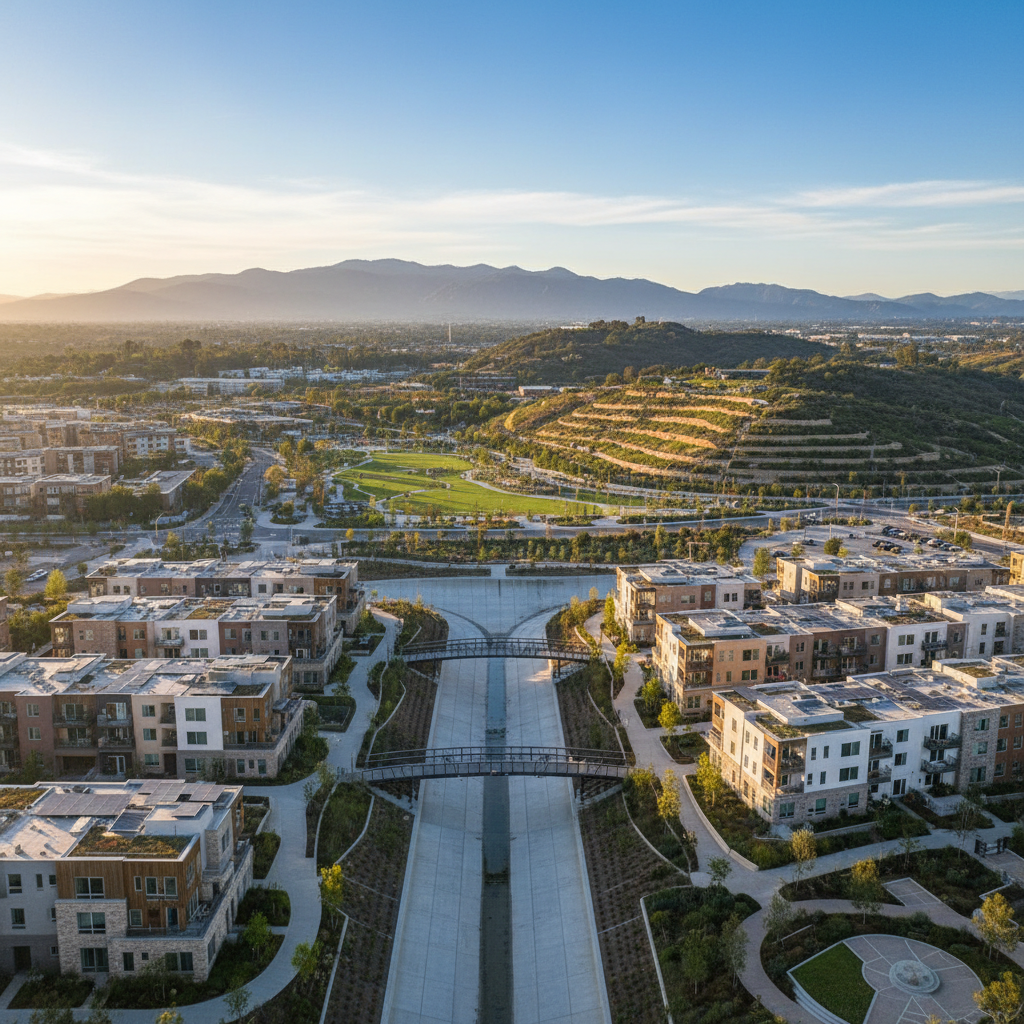
The Shift from Individual to Collective Mitigation
In the California real estate landscape of 2026, the strategy for disaster preparedness has evolved. While structural hardening—such as ember-resistant vents and Class A roofing—remains a baseline requirement, the market is increasingly valuing the "Social Infrastructure Guardrail." This concept shifts the focus from the isolated fortress to the resilient neighborhood. As the Wildland-Urban Interface (WUI) continues to house over 11 million Californians, data from the National Fire Protection Association (NFPA) suggests that community-wide mitigation can reduce the risk of home ignition by up to 40% more effectively than individual efforts alone.
The "Safer from Wildfires" Regulatory Framework
The financial impetus for this shift is rooted in the California Department of Insurance (CDI) "Safer from Wildfires" regulations. As of 2026, these mandates require insurance companies to provide transparency on wildfire risk scores and offer discounts for specific mitigation actions. Crucially, the regulations distinguish between property-level improvements and community-level designations. According to recent CDI filings, homeowners in recognized Firewise USA sites are seeing insurance premium credits ranging from 5% to 15%, a critical offset in a market where premiums have surged by an average of 35% over the last triennium.
The Economic ROI of Community Certification
Resilience is no longer just a safety metric; it is a liquidity metric. For sellers, a property located within a Firewise USA recognized community often signals to lenders and insurers that the neighborhood has a lower risk profile, facilitating smoother escrow periods. Data from the California Association of Realtors (CAR) indicates that homes in certified resilient communities spend 12% less time on the market compared to those in high-risk zones without active community mitigation programs. For investors, this collective approach acts as a hedge against the "insurance desert" phenomenon that has historically depressed values in fire-prone corridors.
Actionable Strategies for Homeowners and HOAs
To operationalize this social infrastructure, homeowners must move beyond their property lines. The following steps are essential for maintaining marketability and safety in 2026:
- Pursue Firewise USA Recognition: Form a committee of at least three residents and conduct a community wildfire risk assessment. Investing as little as $2 per capita in local mitigation can unlock state-mandated insurance discounts.
- Leverage the CDI Regulation: Ensure your insurer has factored in your community's status. Under current California law, carriers must disclose the factors behind your risk score; use this to challenge assessments if community-wide clearing has occurred.
- Establish Mutual Aid Networks: Beyond physical hardening, digital communication chains for evacuation and resource sharing are being scrutinized by secondary market buyers as a sign of a high-functioning, low-risk HOA.
- Inventory Shared Assets: Identify neighborhood-level vulnerabilities, such as shared private roads or perimeter fences, and include their maintenance in the HOA reserve study to prevent "weak link" failures during a disaster.
The Future of Resilience
As we navigate the 2026 market, the most resilient homes are those anchored in resilient communities. The transition from individual preparedness to collective defense represents the next frontier in protecting California equity. By fostering social infrastructure, homeowners can secure not only their physical safety but also the long-term financial viability of their most significant assets.


