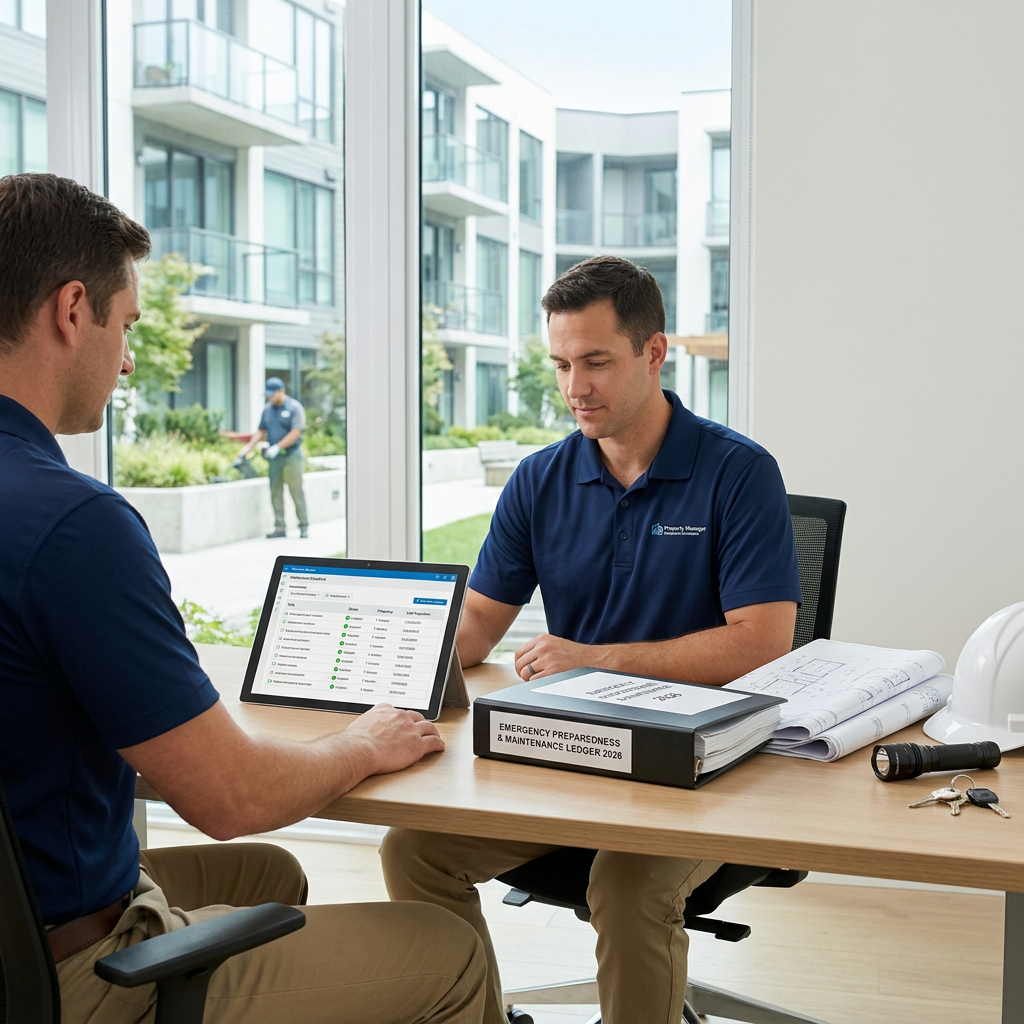
The Shift from Static Hardening to Operational Readiness
For years, California homeowners viewed disaster preparedness as a series of capital improvements: installing a seismic shut-off valve, retrofitting a foundation, or swapping wood siding for fiber cement. However, as we move through the second quarter of 2026, the market has shifted. Following the California Department of Insurance’s (CDI) full implementation of the 'Safer from Wildfires' regulation framework, property value is no longer just a reflection of what a house is, but how it is maintained.
With the California FAIR Plan now covering over 450,000 policies—a record high—insurers and buyers alike are demanding a 'Maintenance Ledger.' This document proves that the home’s defensive systems are operational and that the surrounding environment is managed seasonally. In the 2026 market, a home with a documented history of ember-resistant vent cleaning and vegetation management often commands a 3-5% liquidity premium over unmanaged peers.
The Three Pillars of California Resilience Maintenance
To preserve equity and ensure insurance eligibility, homeowners must treat disaster preparedness as a recurring operational expense rather than a one-off project. The 2026 standard focuses on three specific areas:
1. The Zero-Zone Continuity
According to the latest data from the Insurance Institute for Business & Home Safety (IBHS), nearly 90% of homes lost to wildfire are ignited by embers, not the main fire front. The 'Zone 0' (the 0-5 foot perimeter around the structure) must be maintained with zero combustible materials. In the 2026 real estate landscape, appraisers are increasingly noting the presence of organic mulch or stored wood in this zone as a 'deferred maintenance' item that can trigger insurance non-renewals.
2. Seismic Valve and Sensor Audits
While the Seismic Upgrade Mandate addressed structural stability, the focus for 2026 homeowners is on automated systems. Modern California homes are increasingly equipped with smart seismic shut-off valves and leak detection systems. These require annual testing to remain compliant with secondary-market mortgage requirements (like those from Fannie Mae and Freddie Mac), which have become stricter regarding environmental risk disclosures.
3. The Atmospheric River Defense
Following the extreme precipitation events of 2024 and 2025, flood risk in California has been decoupled from traditional FEMA flood maps. 'Pluvial' flooding—driven by intense rainfall—now affects properties previously considered low-risk. Homeowners must now document the clearing of private drainage culverts and the servicing of sump pumps with battery backups twice annually (pre-winter and mid-season).
The Financial Incentive: CDI Premium Credits
The California Department of Insurance now mandates that all admitted insurers offer premium discounts for residential and commercial properties that meet specific 'Safer from Wildfires' criteria. According to 2025 industry reports, homeowners who document their compliance—including neighborhood-level participation—see an average premium reduction of 10% to 15%. This shift has turned the 'Maintenance Ledger' into a vital financial asset during the sale process.
Practical Takeaways for 2026 Homeowners
- Create a Resilience Log: Store receipts, photos, and contractor signatures for annual gutter cleaning (ember defense), defensible space thinning, and drainage servicing. This log should be part of your digital home binder.
- Audit the Zero-Zone: Ensure that no organic debris or combustible plants exist within five feet of your home. Replace wood mulch with gravel or river rock to maintain insurance eligibility.
- Verify Smart System Functionality: Test your seismic shut-off and automatic water leak detection sensors every April to ensure they are communicating with your home insurance provider’s monitoring app.
- Review the 'Fair Plan' Exit Strategy: If you are on the FAIR Plan, use the Maintenance Ledger to prove to voluntary-market insurers that your property is 'hardened' enough to be underwritten conventionally, potentially saving thousands in annual premiums.
In the modern California real estate market, disaster preparedness is no longer a set-it-and-forget-it upgrade. It is a living record of risk mitigation that protects both the structure and the owner's financial stake in an increasingly volatile environment.


