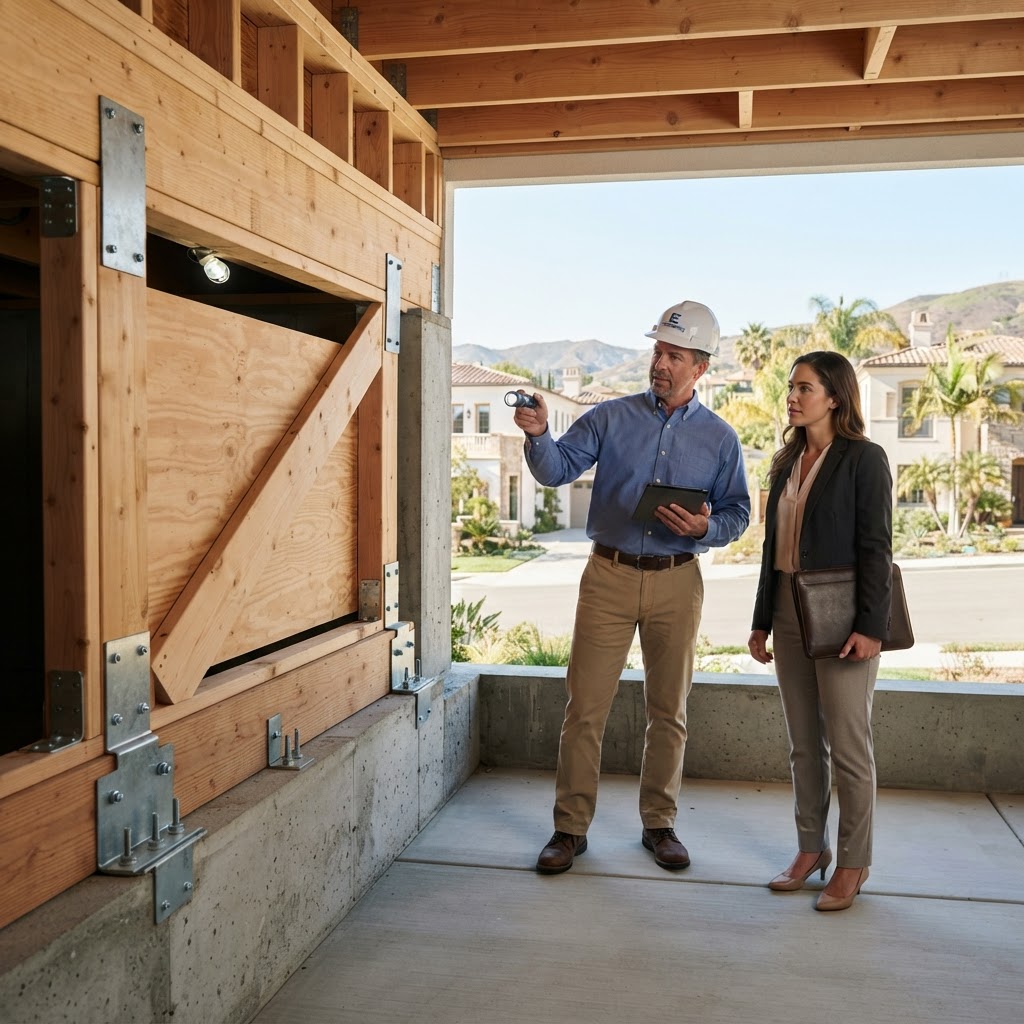
The Shift from Fire to Flow: California’s New Weather Reality
As of April 2026, California’s disaster landscape has fundamentally transitioned. While wildfire remains a primary concern, the 'whiplash' weather patterns of the last two seasons—characterized by extreme atmospheric rivers immediately following record dry periods—have elevated post-fire hydrological hazards to a top-tier risk for homeowners. For property owners, understanding this hydro-geologic pivot is no longer optional; it is a critical component of asset preservation.
According to data from the First Street Foundation, nearly 25% of California properties now face a significant risk of flooding that is not currently reflected in FEMA’s Special Flood Hazard Areas (SFHAs). The danger is most acute in 'burn scars'—areas where vegetation has been stripped by fire, leaving the soil incapable of absorbing moisture.
The 'Hydrophobic Soil' Trap
When a wildfire sweeps through a canyon or hillside, it doesn't just destroy structures; it changes the chemistry of the earth. Intense heat creates a 'hydrophobic' layer in the soil that repels water. When the heavy rains of 2025 and early 2026 hit these areas, the water does not sink in; it sheets off, picking up ash, boulders, and debris to create high-velocity flows.
For homeowners in the Wildland-Urban Interface (WUI), the risk remains high for up to five years after a fire has been extinguished. California Department of Water Resources (DWR) reports indicate that even a modest one-inch-per-hour rainfall event can trigger catastrophic mudflows in recently burned regions, potentially impacting properties miles downstream from the actual fire site.
The Insurance Gap: Fire vs. Flood vs. Mudflow
A critical vulnerability in the California market is the misconception regarding coverage. A standard California homeowners policy (HO-3) covers fire, but explicitly excludes 'Earth Movement' and 'Flood.'
- Mudslides: Generally considered earth movement and excluded from standard policies and standard flood insurance.
- Mudflows: Defined as a 'river of liquid and flowing mud' by the National Flood Insurance Program (NFIP), these may be covered under a flood policy.
- Debris Flows: Often fall into a grey area that requires specialized 'Difference in Conditions' (DIC) or surplus line coverage.
Data from the National Association of Realtors (NAR) suggests that properties with comprehensive disaster riders—including flood and earthquake—retain their value 12% better during market downturns following a regional disaster than those without. In 2026, buyers are increasingly demanding 'insurance binders' that prove coverage for these specific hydrological risks before closing escrow.
Strategic Resilience: Actionable Takeaways
For homeowners and investors looking to secure their properties against these shifting risks, the following steps are essential:
1. The Hydrological Audit
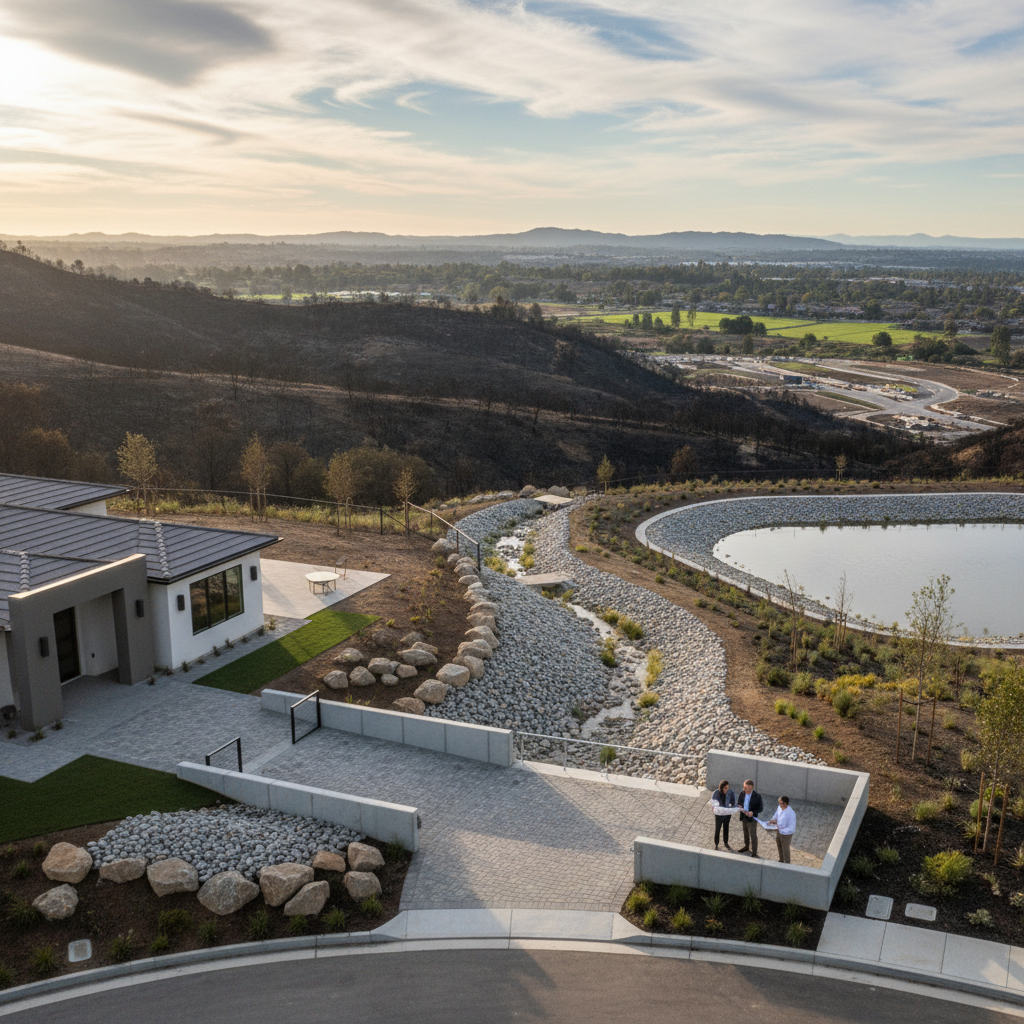
Engage a geomorphologist or a specialized civil engineer to assess the drainage patterns of your lot. Traditional gutters and downspouts are often insufficient for the high-volume 'burst' precipitation seen in recent California winters. Installing bioswales or French drains can redirect runoff away from the foundation.
2. Soil Stabilization and Bio-Engineering
If your property is near a burn scar, mechanical stabilization (like hydromulching or the installation of 'wattle' logs) is a temporary fix. Long-term resilience requires deep-rooted native vegetation that can survive both drought and deluge, reinforcing the soil structure.
3. Securing Flood Insurance Early
There is typically a 30-day waiting period for NFIP policies to take effect. Homeowners should not wait for a storm watch to be issued. Given that 20% of all flood claims in California now occur in 'low-risk' zones, the small annual premium is a necessary hedge against a total loss.
The Bottom Line for 2026
Preparedness in the modern California market has evolved from a checklist of 'clearing brush' to a sophisticated management of land and liquidity. As climate volatility increases, the most valuable homes will be those that have been 'hardened' not just against the heat of the fire, but against the weight of the water that follows it.