The Shift from Individual Fortresses to Communal Buffers
In the California real estate landscape of 2026, the traditional approach to disaster preparedness—hardening one’s own home in isolation—is reaching its limit. While individual retrofitting is essential, the Insurance Institute for Business & Home Safety (IBHS) and the California Department of Insurance (CDI) have increasingly signaled that the next frontier of property protection lies in 'The Network Effect.' This concept posits that a home’s survivability is inextricably linked to the preparedness of the surrounding properties.
For homeowners and investors, this shift represents a move toward collective resilience. Data from the 2025 California Association of Realtors (CAR) Annual Housing Report suggests that homes located in 'active mitigation clusters'—neighborhoods where more than 60% of parcels meet modern defensible space standards—experienced 18% less wildfire-related damage than isolated hardened homes during the 2025 fire season.
The Insurance Multiplier: Why Your Neighbor’s Brush Matters
As of April 2026, the CDI’s 'Safer from Wildfires' framework has evolved. While initial iterations focused on individual property features, the latest 2026 regulations now allow insurers to incorporate 'Community-Level Risk Scores' into their rate filings. This means that even if your home has a Class-A roof and ember-resistant vents, your premiums may remain high if your immediate neighbors have dense brush or combustible fencing.
According to recent MLS data, homes in designated 'Firewise USA' sites or recognized Resilience Districts are seeing shorter days-on-market and a 'Resilience Premium' of approximately 4.5%. Buyers are increasingly prioritizing the security of the block over the amenities of the individual house, viewing neighborhood-scale mitigation as a hedge against future uninsurability.
Practical Takeaways for Collective Action
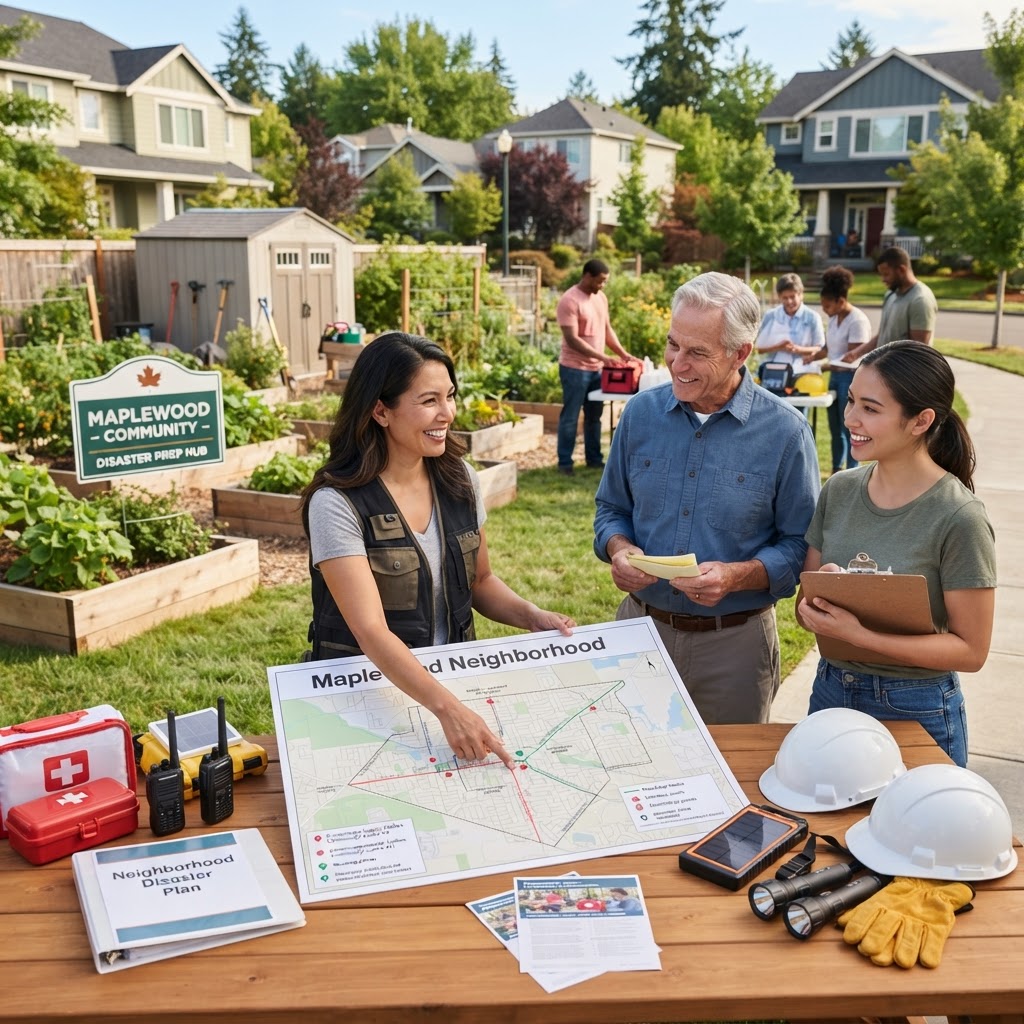
- Form a 'Resilience Cooperative': Homeowners should move beyond individual maintenance and organize neighborhood-wide brush clearance days. This collective action can help a community achieve Firewise USA recognition, which is now a critical factor for access to the California FAIR Plan’s commercial and residential discounts.
- Audit the 'Structure-to-Structure' Gap: 2026 fire science highlights that structure-to-structure spread is a primary driver of neighborhood losses. Work with neighbors to ensure that the five-foot 'non-combustible zone' extends across property lines, particularly in high-density suburban developments.
- Leverage Joint Procurement: Neighborhoods can reduce the cost of retrofitting by 15-20% by hiring contractors for 'block-level' hardening projects, such as installing 1/16th inch mesh vents or upgrading to multi-pane tempered glass across multiple adjacent homes.
The Resilience District Model
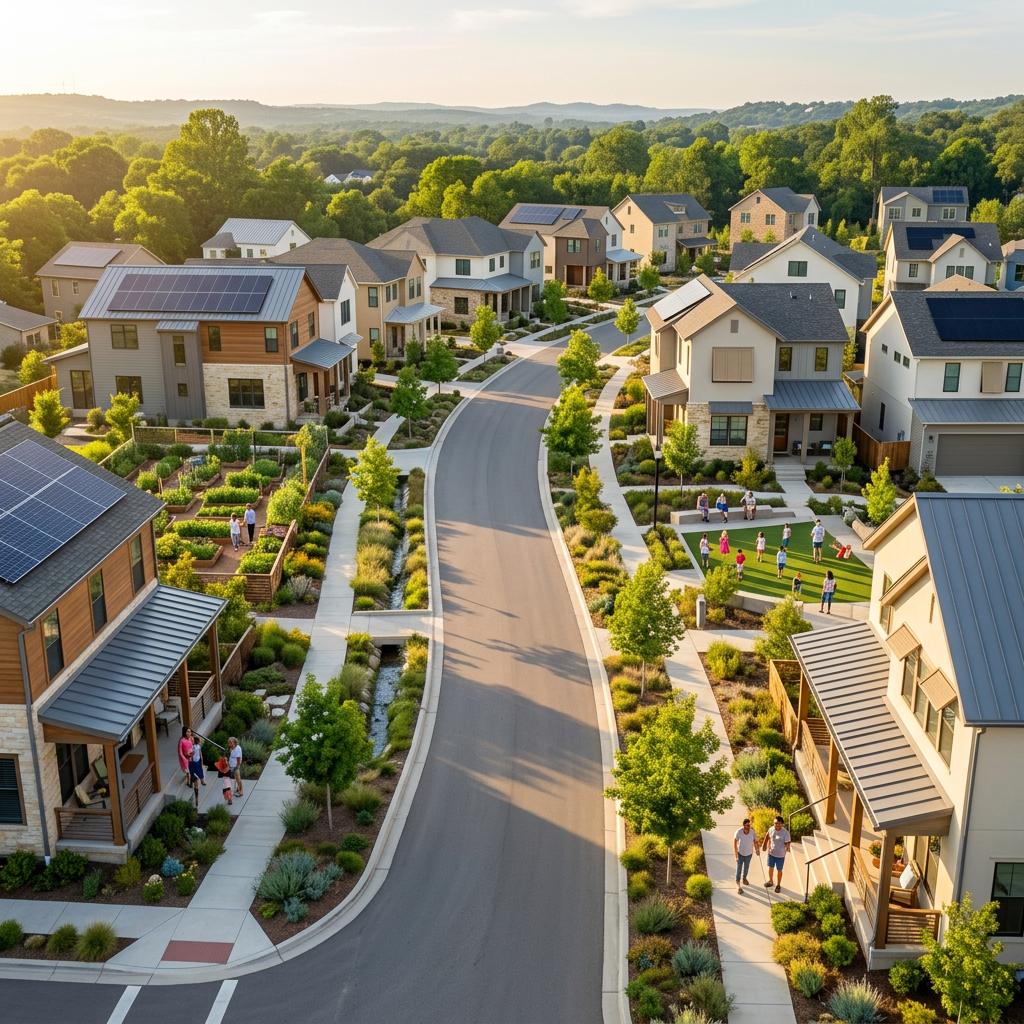
A burgeoning trend in 2026 is the formation of Resilience Districts—specialized assessment areas where property owners vote to tax themselves small amounts to fund ongoing perimeter defense and professional vegetation management. This proactive investment is proving to be a net positive for property values. CBRE’s 2026 California Risk Outlook notes that properties within these districts are increasingly favored by institutional lenders, who view the communal oversight as a stabilizing force for long-term asset value.
Conclusion: A New Definition of Curb Appeal
As we navigate the 2026 spring selling season, the definition of curb appeal has fundamentally changed. It is no longer just about the aesthetic of a single lawn, but the visible safety of the entire streetscape. For the California homeowner, disaster preparedness is now a team sport. Investing in your neighbor’s resilience is no longer an act of charity; it is a calculated strategy to protect your own equity and ensure your home remains a viable, insurable asset in an era of climate volatility.