The Evolution of Structural Defense in the Golden State
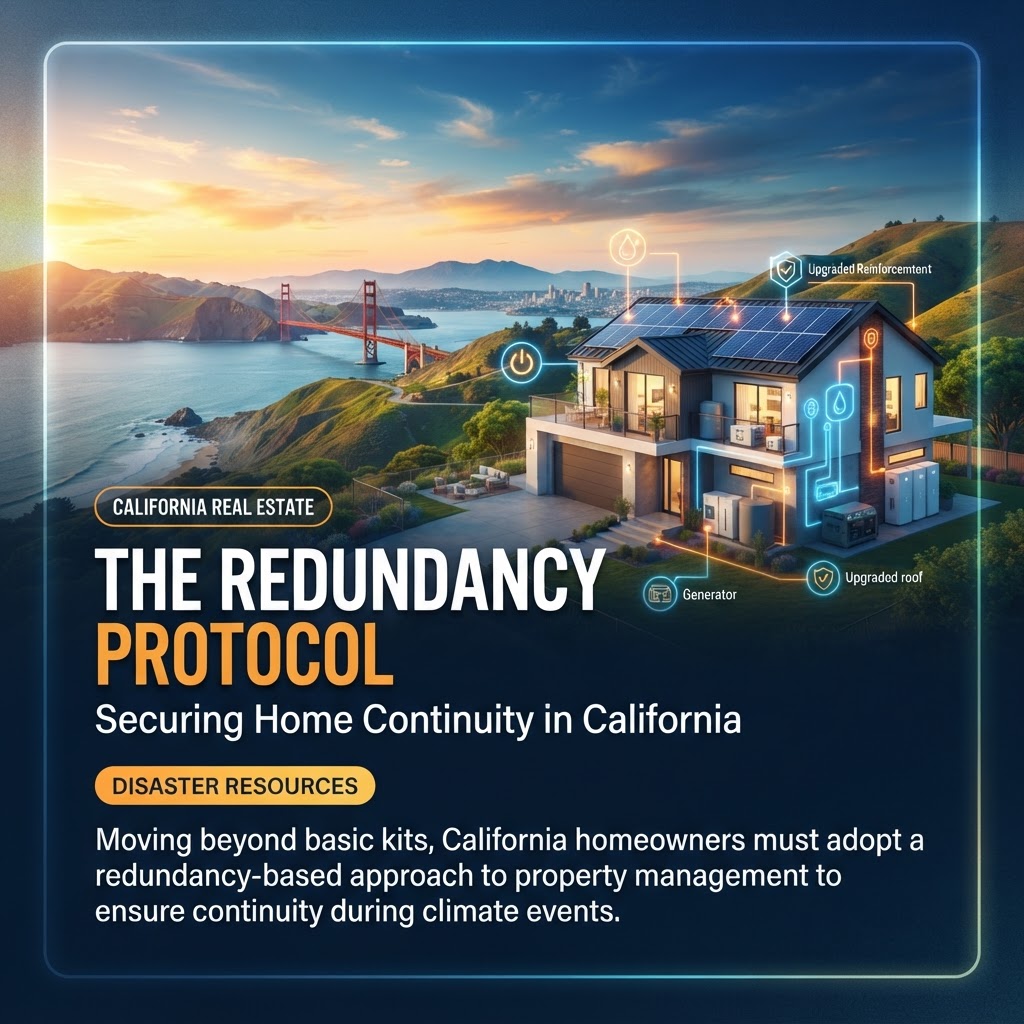
As we move into the second quarter of 2026, the definition of home maintenance for Californians has fundamentally shifted. While previous years focused on emergency kits and evacuation routes, the current real estate landscape prioritizes the physical 'hardening' of the structure itself. With the 2025 update to the California Building Code (Title 24) emphasizing ember-resistant construction, homeowners are finding that resilience is no longer a DIY project, but a sophisticated engineering requirement.
The 'Zone 0' Mandate and Material Innovation
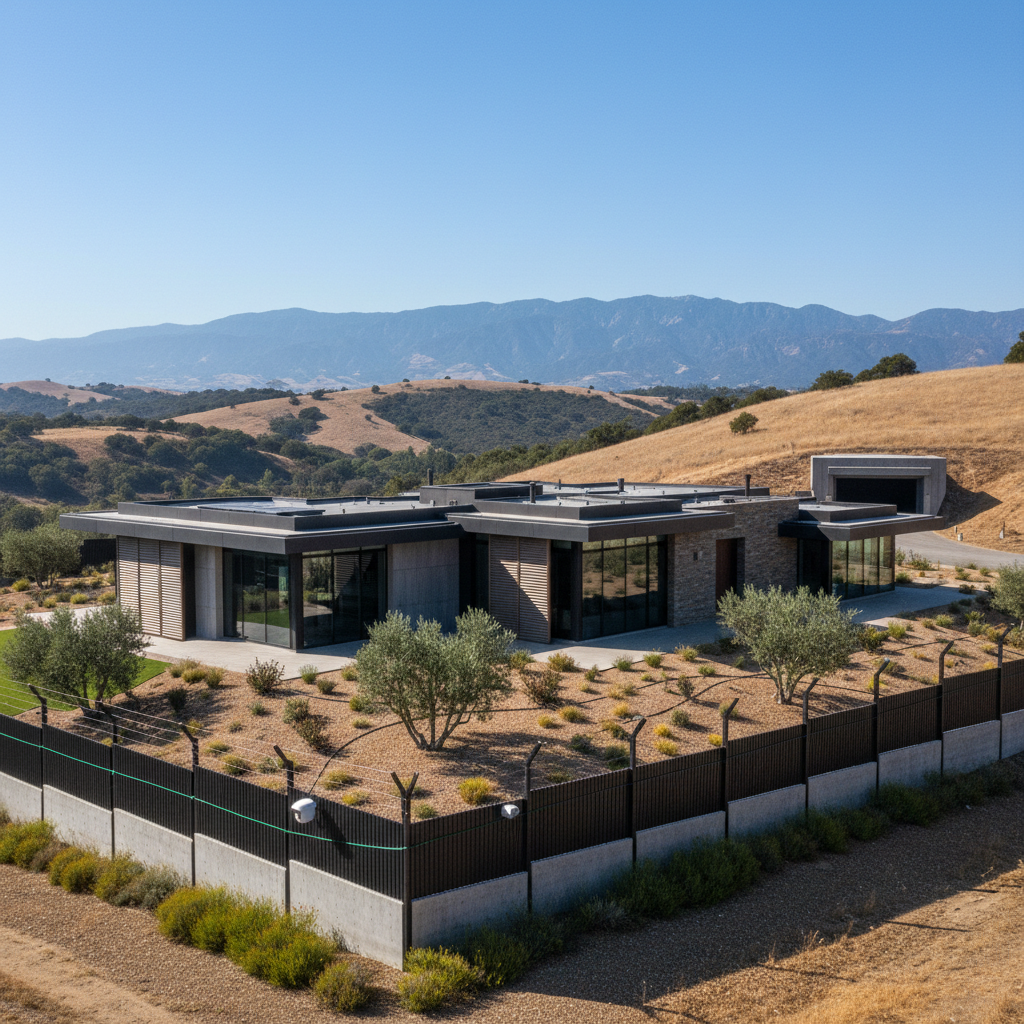
The most critical advancement in 2026 is the widespread adoption of 'Zone 0'—the immediate five-foot perimeter around a structure. Data from the National Association of Realtors (NAR) suggests that homes featuring non-combustible 'Zone 0' landscaping and structural hardening see a 7-12% premium in high-fire-risk regions compared to unhardened peers. This isn't just about clearing brush; it's about the materials used in the home’s envelope.
- Next-Gen Ember-Resistant Venting: Traditional attic vents are entry points for wind-blown embers. Modern homeowners are retrofitting with baffle-based, flame-resistant vents that automatically close when exposed to extreme heat.
- Fiber-Cement and Steel Siding: The shift away from traditional wood siding has accelerated. Recent MLS data indicates a 22% year-over-year increase in listings highlighting 'Class A' fire-rated exteriors.
- Multi-Pane Tempered Glass: Radiant heat often shatters standard windows before flames even reach the structure. 2026 standards favor dual- or triple-paned tempered glass with low-E coatings to reflect thermal radiation.
Insurance Leverage: Hardening as a Financial Tool
The California Department of Insurance (CDI) has increasingly pushed for 'Safer from Wildfire' discounts. For homeowners, physical hardening is now the primary lever for securing coverage in the voluntary market rather than relying on the FAIR Plan. According to 2025 industry reports, homeowners who complete a comprehensive 'hardened perimeter' retrofit can see insurance premium reductions of up to 15%, provided the work is certified by a third-party inspector.
The Role of Smart Technology in Resilience
Physical materials are now being paired with AI-driven detection systems. Sensor-based irrigation that activates based on local thermal anomalies and automated exterior 'gel' systems are becoming standard in luxury California estates. These systems provide a secondary layer of defense, saturating vulnerable points with fire-retardant foam or water only when a direct threat is detected, thereby conserving water during non-emergency periods—a critical factor in California's managed-growth environment.
Practical Takeaways for 2026 Homeowners
- Audit the Envelope: Move beyond vegetation management. Inspect the roof, vents, and siding for gaps smaller than 1/8th of an inch where embers can penetrate.
- Prioritize 'Zone 0': Replace all organic mulch and wooden fencing within five feet of the home with decorative stone, pavers, or metal alternatives.
- Document for Disclosure: When retrofitting, maintain a 'Resilience Dossier.' In the 2026 market, providing buyers with proof of material ratings (e.g., ASTM E108 Class A) is as vital as a clean title report.
- Consult a Resilience Engineer: Rather than a general contractor, engage specialists who understand the intersection of California’s WUI (Wildland-Urban Interface) codes and modern aesthetics.
In a market where climate risk is a permanent fixture of the valuation equation, the 'Hardened Perimeter' represents more than safety—it represents the preservation of equity and the long-term viability of California homeownership.