The Shift from Reactive to Integrated Readiness
As of March 2026, California’s approach to disaster preparedness has shifted from individual home hardening to an integrated ecosystem of digital monitoring, state-backed insurance incentives, and community-wide mitigation. For the California homeowner, resilience is no longer just about a survival kit in the garage; it is about leveraging the state’s evolving Sustainable Insurance Strategy to maintain asset liquidity in a high-risk environment.
The 2026 Insurance Landscape: Beyond the FAIR Plan
Following the California Department of Insurance (CDI) reforms of 2024 and 2025, the insurance market has reached a fragile stabilization. Under the ‘Sustainable Insurance Strategy,’ insurers are now required to write a minimum of 80% of their statewide market share in distressed areas, but this comes with a caveat: homeowners must meet rigorous ‘Safer from Wildfires’ standards. According to recent data from the CDI, homeowners who verify their mitigation efforts through the state’s standardized framework are seeing premium credits ranging from 7% to 15%.
For those still relying on the FAIR Plan—which saw its residential coverage limits adjusted in late 2025 to keep pace with California’s median home price—preparedness is a prerequisite for transition back to the voluntary market. Investors and sellers should prioritize documenting these mitigation steps to ensure the property remains insurable during a title transfer.
Data-Driven Risks: The 2026 Hazard Maps
Preparedness starts with understanding the updated CAL FIRE and USGS risk models. The 2026 Fire Hazard Severity Zone (FHSZ) maps have integrated new data from the ‘Atmospheric River’ cycles of the past two years, identifying secondary landslide risks in previously ‘moderate’ fire zones.
- Seismic Realities: With the USGS HayWired scenario remaining a primary concern for the Bay Area, homeowners are encouraged to utilize the ‘MyShake’ app, which now integrates with smart-home shutoff valves to automatically disable gas lines during significant tremors.
- Wildfire Smoke: Beyond the flames, the 2026 focus has turned to indoor air quality. High-efficiency MERV 13+ filtration systems are now a standard recommendation for resilience, protecting both health and the interior value of high-end estates.
Leveraging the State’s Resource Framework
California has invested heavily in the ‘Listos California’ campaign, providing a blueprint for disaster readiness that moves beyond the ‘Go-Bag.’ Homeowners should align their personal disaster playbooks with these three pillars of the 2026 ecosystem:
- The Digital Shield: Enroll in ‘Alert-Cal’ and ensure all residents are registered with the Integrated Public Alert and Warning System (IPAWS). In 2026, these systems provide hyper-local evacuation routes optimized by real-time traffic data.
- The Financial Reserve: The California Residential Mitigation Program (CRMP) has expanded its earthquake brace-and-bolt grants. For homeowners in high-seismic zones, these grants can cover up to $3,000 of retrofitting costs, a small investment that significantly reduces the deductible burden of earthquake insurance.
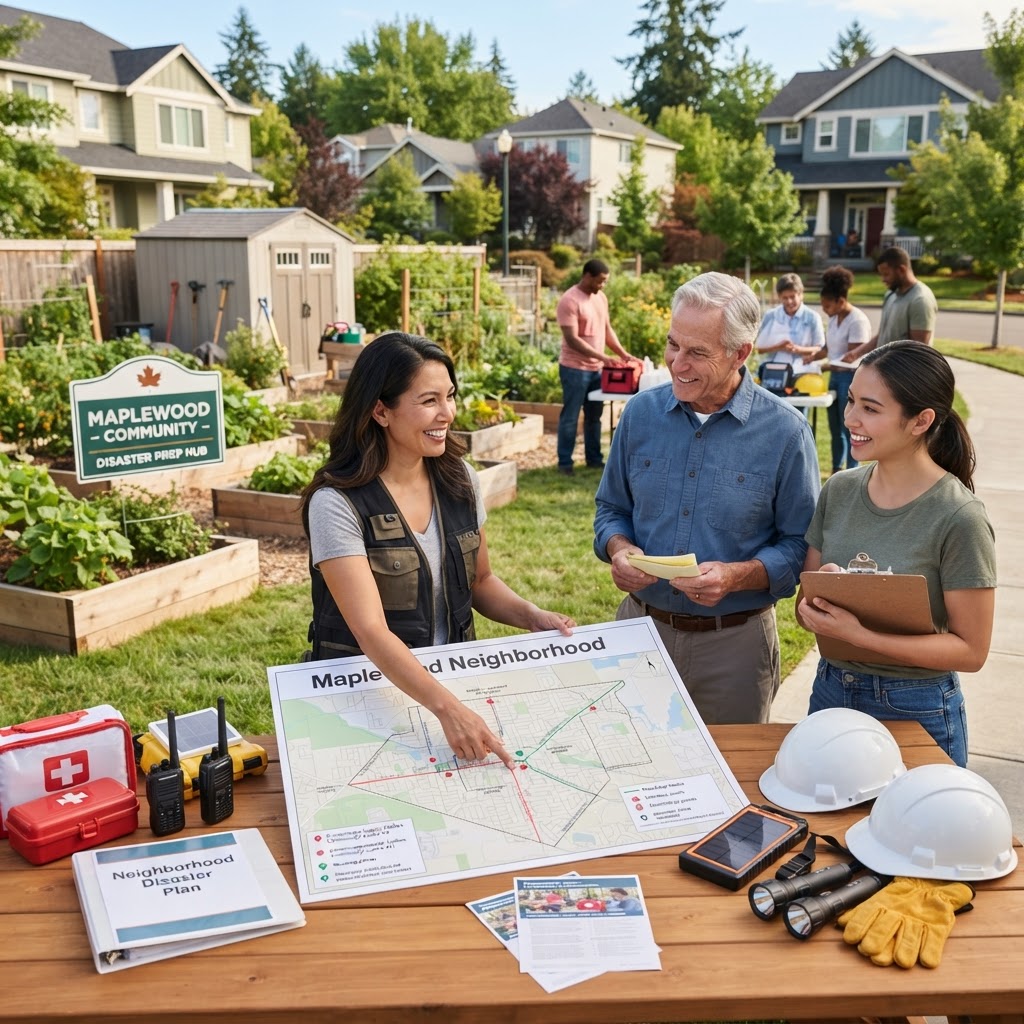
- Community Resource Centers (CRCs): Familiarize yourself with local CRCs funded by utility providers like PG&E and SCE. These centers provide power, water, and connectivity during Public Safety Power Shutoffs (PSPS), which remain a tool for risk mitigation during offshore wind events.
Strategic Takeaways for Homeowners and Investors
To navigate the current market, stakeholders should adopt a proactive stance on disaster infrastructure:
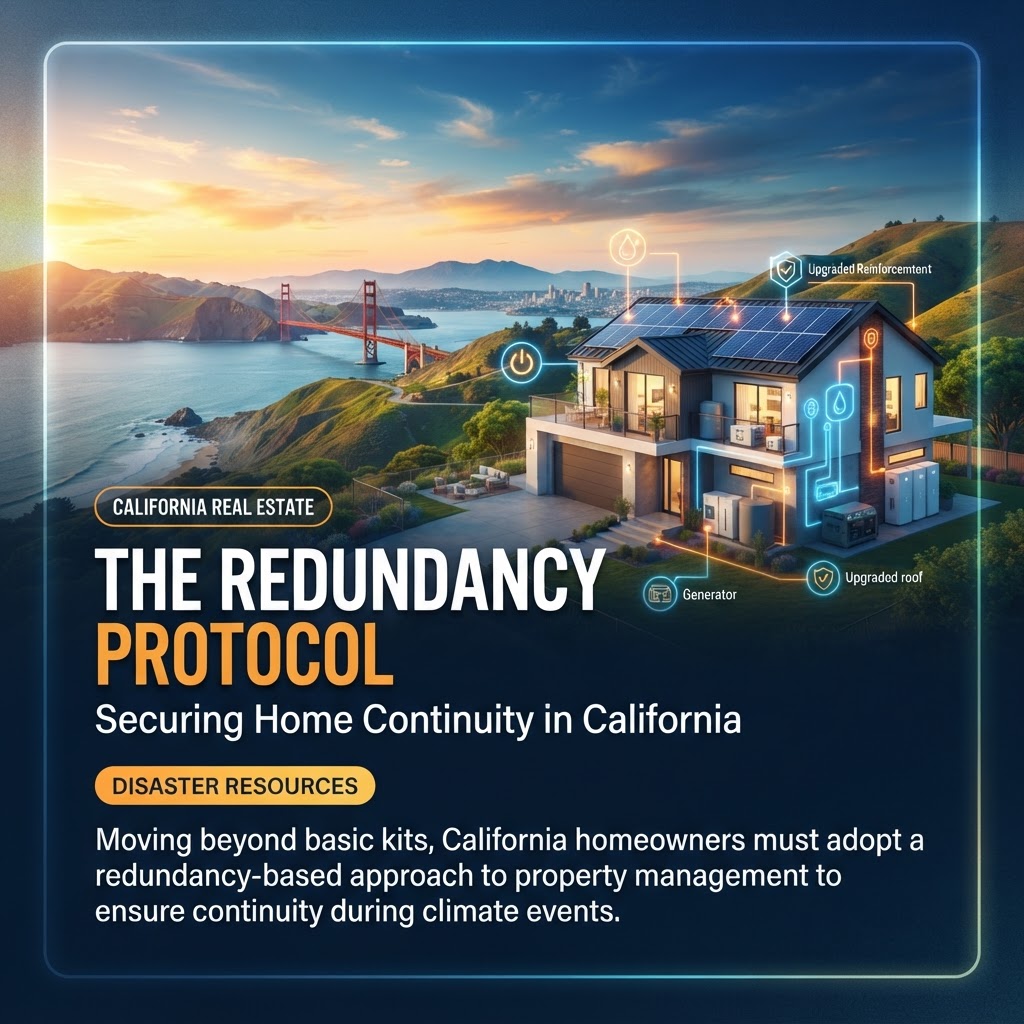
- Verify Mitigation Credits: Work with a certified inspector to document ‘Class A’ roof assemblies, ember-resistant venting, and a five-foot non-combustible zone. This documentation is now a critical component of a property’s ‘Resilience Score.’
- Audit Your Policy Annually: With the 2026 adjustments to the FAIR Plan and the return of some national carriers to the California market, ‘set and forget’ insurance strategies are a liability. Ensure your coverage reflects current reconstruction costs, which have risen by approximately 12% in the last 24 months due to labor shortages.
- Integrate Smart Technology: Invest in redundant communication tools, such as satellite-enabled emergency messaging (now standard in most 2025-2026 smartphones) and localized mesh networks for neighborhood coordination.
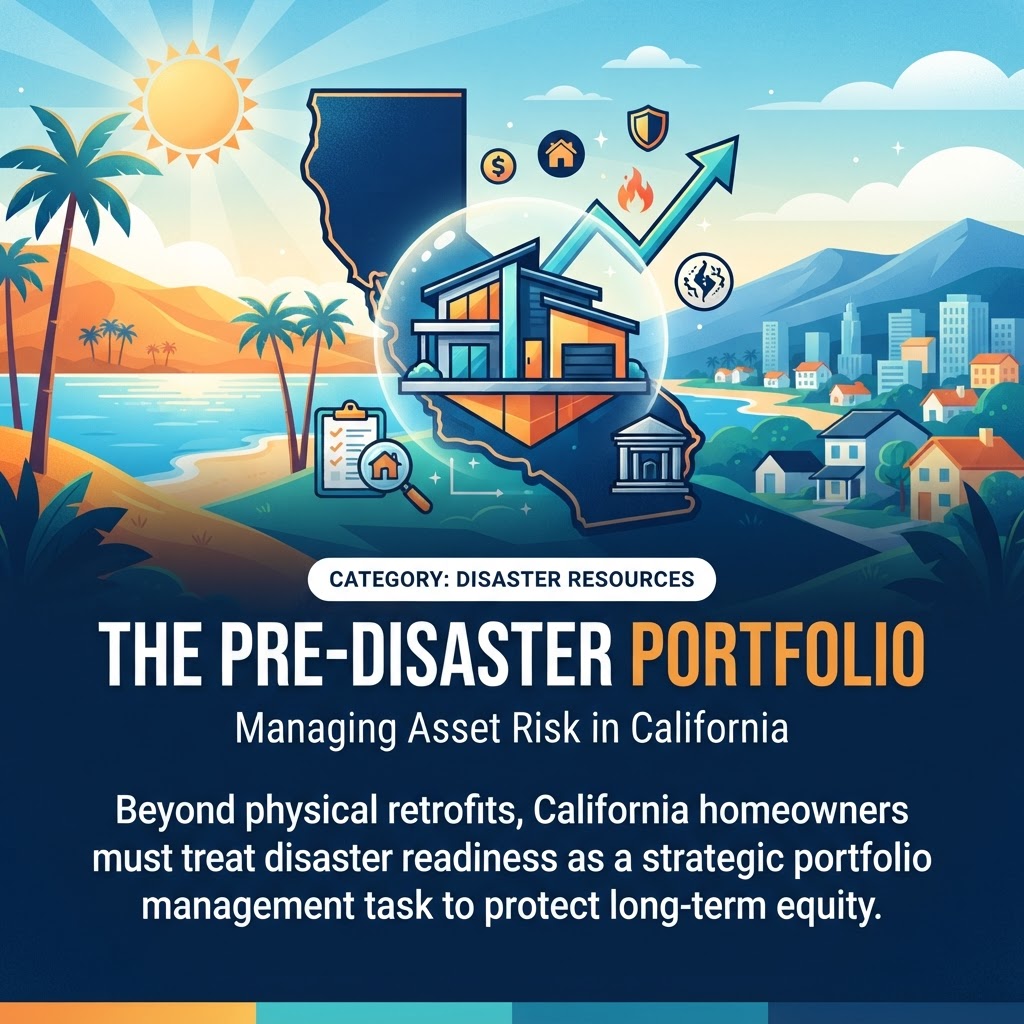
In 2026, the most resilient California homeowners are those who view disaster preparedness as a continuous integration of state resources, digital alerts, and financial strategy. By aligning with the state's mitigation framework, owners can protect not only their safety but the long-term viability of their California real estate investments.