Beyond the Primary Impact: The Evolution of Risk in 2026
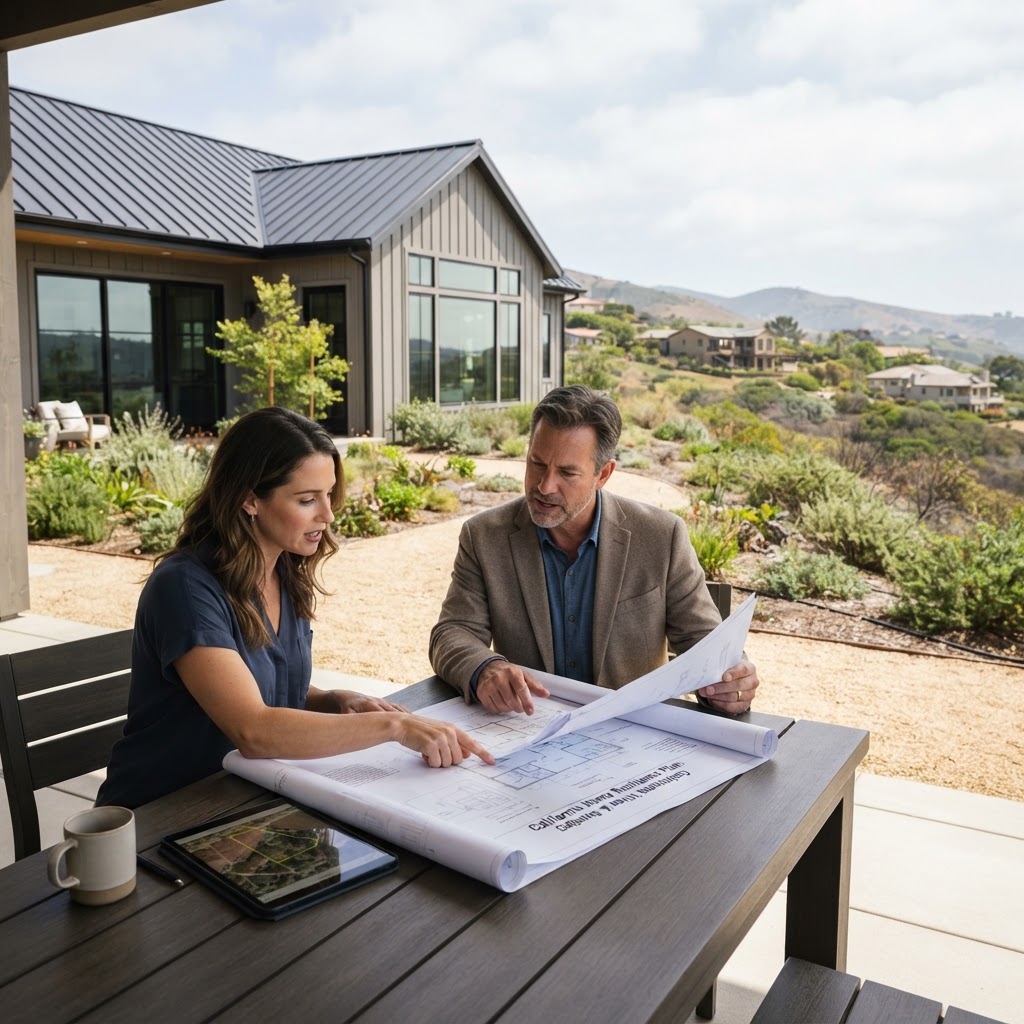
While seismic retrofitting and vegetation management are now standard practice for the California homeowner, the disaster landscape of 2026 has introduced a more nuanced set of challenges. As we move into the spring season, homeowners must look beyond the immediate destruction of fire and earthquake to address 'secondary perils'—long-term threats like soil subsidence from record-breaking atmospheric rivers and the persistent degradation of asset value due to smoke infiltration.
Soil Stability: The Legacy of Atmospheric Rivers
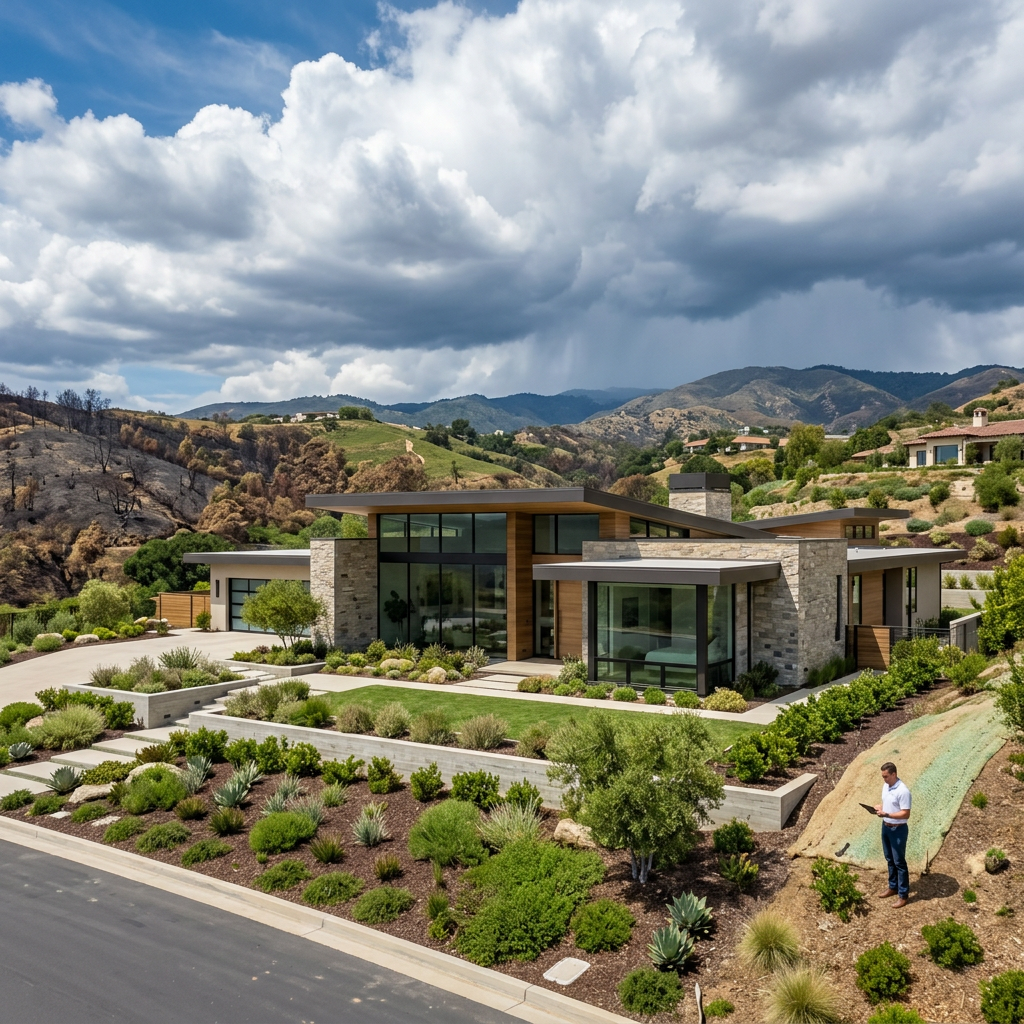
The 2025-2026 winter season saw a 15% increase in total precipitation across Northern California compared to the five-year average, according to recent meteorological data. For homeowners, this has elevated the risk of 'hidden' land movement. Unlike a sudden landslide, soil creep and subsidence can occur months after heavy rains, compromising foundations and retaining walls.
- Data Point: The California Geological Survey (CGS) reports that nearly 20% of residential parcels in hillside regions now show signs of increased slope instability following the recent saturated winters.
- Practical Takeaway: Homeowners should commission a 'drainage audit' rather than a standard inspection. Ensuring that water is diverted at least 10 feet away from the foundation and checking the integrity of French drains can prevent six-figure foundation repairs.
The Smoke Path: Indoor Air Quality as a Valuation Factor
Wildfire resilience is no longer just about keeping flames at bay; it is about the structural integrity of the interior environment. In 2026, air quality is increasingly factored into luxury real estate valuations. Fine particulate matter (PM2.5) from regional fires can permeate HVAC systems and wall cavities, leading to long-term health risks and odor issues that diminish resale value.
- Market Trend: Real estate data from early 2026 suggests that homes equipped with MERV-16 or HEPA-integrated HVAC systems command a 2-3% 'clean air premium' in affected zones like the Inland Empire and the Sierra Foothills.
- Practical Takeaway: Invest in automated 'smoke shutters' or high-performance weather stripping for all fenestrations. Post-event, professional smoke remediation should include a forensic cleaning of the attic space, where trapped ash often lingers.
Energy Autonomy: From Preparedness to Grid Independence
Disaster resilience in California is increasingly synonymous with energy independence. With Public Safety Power Shutoffs (PSPS) becoming more targeted but frequent, the reliance on a centralized grid is a liability. According to the Solar Energy Industries Association (SEIA), California residential battery storage installations grew by 22% in the last year alone.
For the homeowner, a resilient property now requires a 'microgrid' approach. This means not just having a backup battery, but ensuring it is integrated with smart-home systems that can shed non-essential loads (like pool pumps or EVs) during a disaster, extending life-support power for up to 72 hours.
The 2026 Resilience Checklist for Homeowners
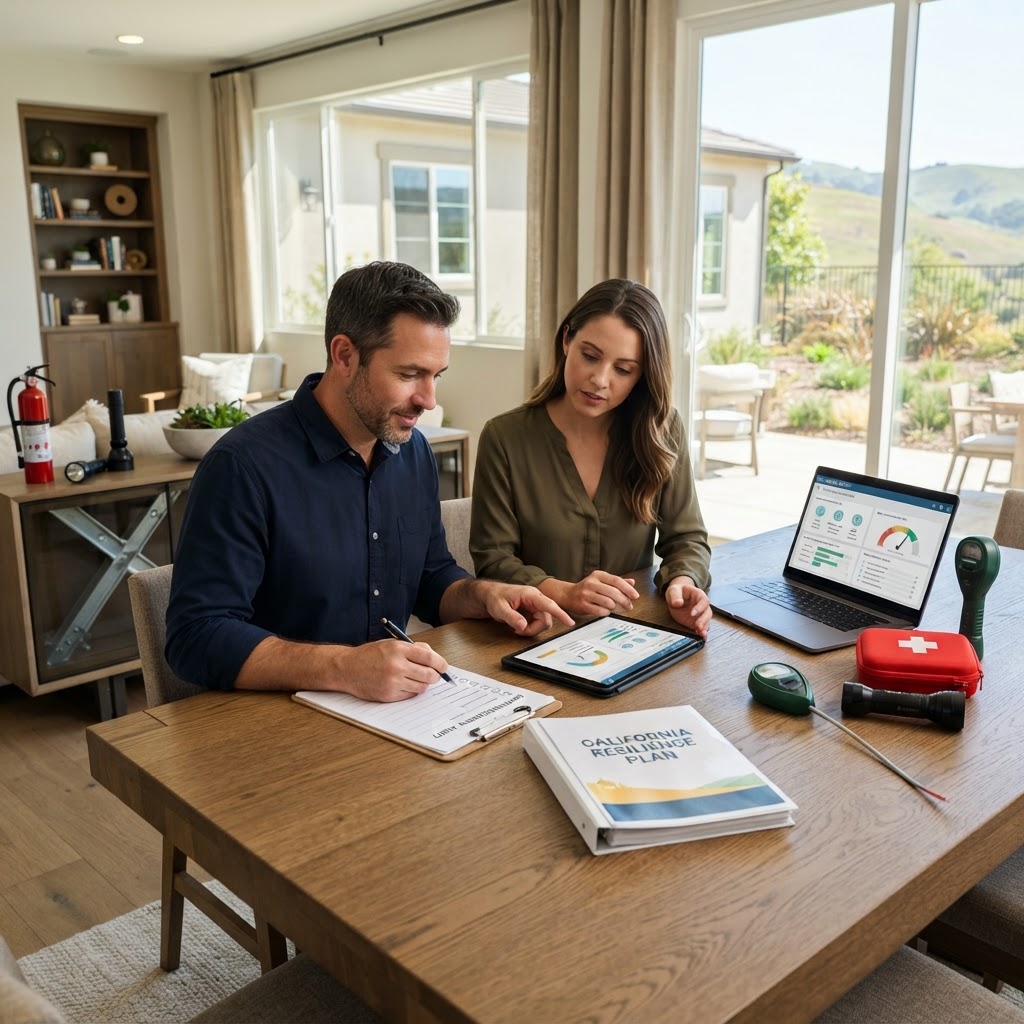
To safeguard your investment against the modern California risk profile, prioritize these actions:
- Geotechnical Baseline: If your property has a slope greater than 15%, establish a geotechnical baseline with a licensed engineer to track soil movement over time.
- Sealing the Envelope: Move beyond basic insulation to an 'aero-sealed' envelope. This prevents smoke ingress and significantly reduces energy costs during extreme heat waves.
- Digital Asset Mapping: Use 3D matterport technology to create a yearly 'digital twin' of your property. This provides undeniable evidence for insurance adjusters regarding the pre-disaster condition of both the structure and its contents.
- Insurance Gap Analysis: Review your policy for 'Ordinance or Law' coverage. As California building codes evolve rapidly to meet climate threats, the cost to rebuild to modern standards often exceeds the base dwelling coverage.
Resilience in 2026 is an active, ongoing investment. By addressing these secondary perils today, homeowners can protect both their physical safety and their long-term home equity.