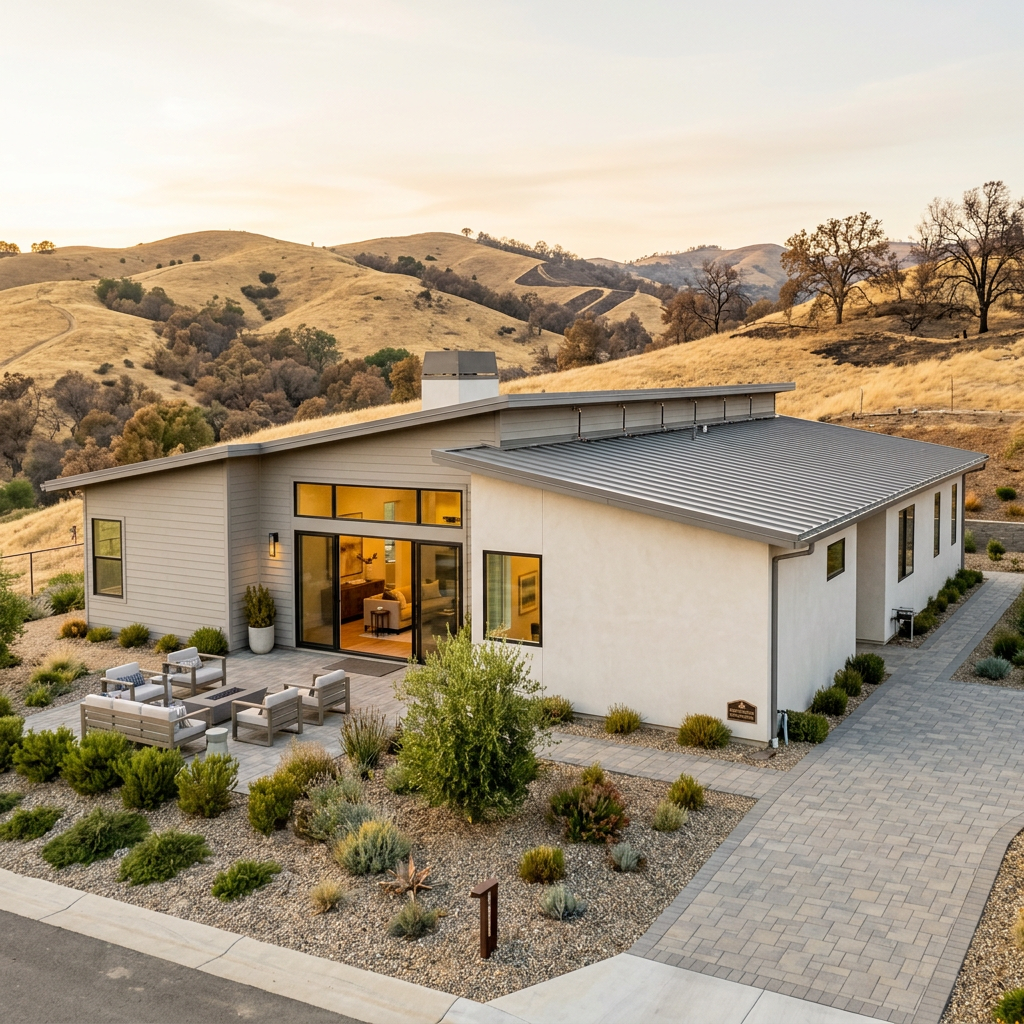
The New Reality of California Homeownership
In 2026, disaster preparedness for California homeowners has transitioned from a seasonal chore to a fundamental pillar of asset management. With climate-driven risks—ranging from catastrophic wildfires to atmospheric river flooding—redefining the state's geography of risk, the financial stakes for homeowners have never been higher. According to recent data from the California Department of Insurance, the FAIR Plan, the state’s insurer of last resort, has seen its policy count surge by over 110% since 2019, underscoring a hardening private market that demands proactive resilience from property owners.
Structural Resilience: Beyond the Go-Bag
Preparedness today is measured in building materials and land management. For homeowners in Wildfire Urban Interface (WUI) zones, compliance with Assembly Bill 38 is no longer just a disclosure requirement—it is a valuation driver. Real estate data indicates that homes with certified defensible space and 'hardened' features (such as ember-resistant vents and Class A roofing) command a premium in a market where insurability is the new 'must-have' amenity.
- Home Hardening: Retrofitting older homes with non-combustible siding and multi-pane tempered glass can reduce the risk of structural ignition by up to 40% during a wildfire event.
- Seismic Retrofitting: For owners of pre-1980 wood-frame houses, the California Earthquake Authority (CEA) notes that brace-and-bolt retrofits can reduce the likelihood of a home sliding off its foundation by over 50%, often leading to significant premium discounts.
The Insurance Strategy: Navigating a Tight Market
The California insurance landscape remains volatile. Homeowners must treat their insurance policy as a dynamic document rather than a 'set it and forget it' expense. With inflation affecting construction costs, many California homes are currently underinsured by an estimated 20% to 30% relative to replacement value.
Practical Takeaway: Conduct an annual 'Replacement Cost Analysis' with your broker. In a post-disaster scenario, standard market value rarely covers the surge in labor and material costs that follows a regional catastrophe.
The Role of Technology and Local Resources
Modern resilience integrates digital infrastructure with physical safety. Homeowners should leverage the MyHazards tool provided by the California Governor’s Office of Emergency Services (Cal OES) to map specific risks for their parcel. Furthermore, the rise of 'Firewise USA' communities has proven that collective neighborhood action can lower community-wide risk profiles, often triggering group discounts from participating insurers.
Actionable Checklist for the 2026 Homeowner
- Digital Document Vault: Secure cloud storage for property deeds, insurance policies, and a room-by-room video inventory of assets.
- Defensible Space Zones: Maintain the 'Zero-to-Five Foot' non-combustible zone around the home perimeter, a critical factor in stopping fire transmission.
- Backup Power Strategy: As Public Safety Power Shutoffs (PSPS) remain a tool for utility providers, investing in solar-plus-storage systems offers both resilience and long-term energy cost mitigation.
Conclusion: Resilience as a Value-Add
As we navigate 2026, the most successful California homeowners are those who view disaster preparedness not through the lens of fear, but as a strategic investment. By hardening the physical structure and securing the financial foundations of their property, owners can protect their equity against the evolving challenges of the Golden State’s environment. In this market, a resilient home is not just a safe home—it is a liquid and valuable asset.


